The Hidden Risks of Delaying Downsizing for Seniors
By Dry Heat Junk Removal & Dumpster Rentals Editorial Team · Updated 2026-08-04
Homeowners face steep costs from delay: 1 in 3 boomer homeowners say they’ll never sell, and a notable share of the silent generation report the same, leaving many stuck maintaining oversized homes until a health crisis forces a rushed, costly move.
Delayed downsizing forces families into rushed decisions during medical emergencies or sudden falls, leaving little time to sort decades of belongings safely. Sun City, Surprise, and Sun City West seniors who wait often face crisis-driven moves instead of planned transitions. Dry Heat Junk Removal & Dumpster Rentals
Key Takeaways
- Delaying downsizing increases housing costs and maintenance burdens that grow more demanding over time for seniors.
- One in three homeowner boomers refuse to sell their homes, missing opportunities to free up cash.
- Postponing the move creates overwhelming emotional stress from sorting belongings and leaving familiar spaces simultaneously.
- Thirty percent of older adults delay selling, losing financial benefits and independence living advantages available now.
What are the signs it’s time to downsize?
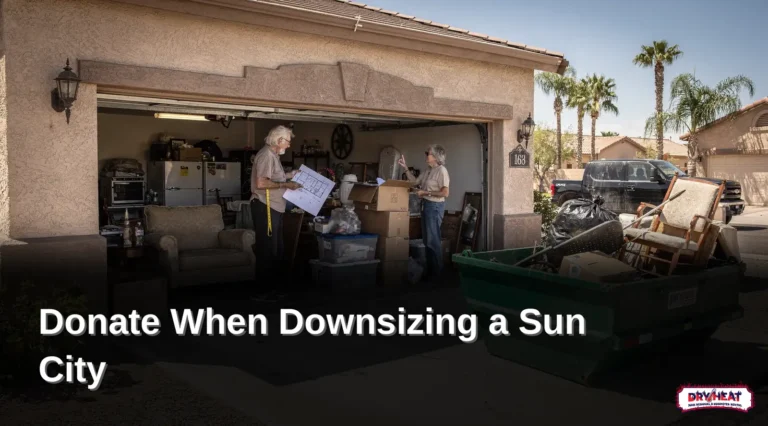
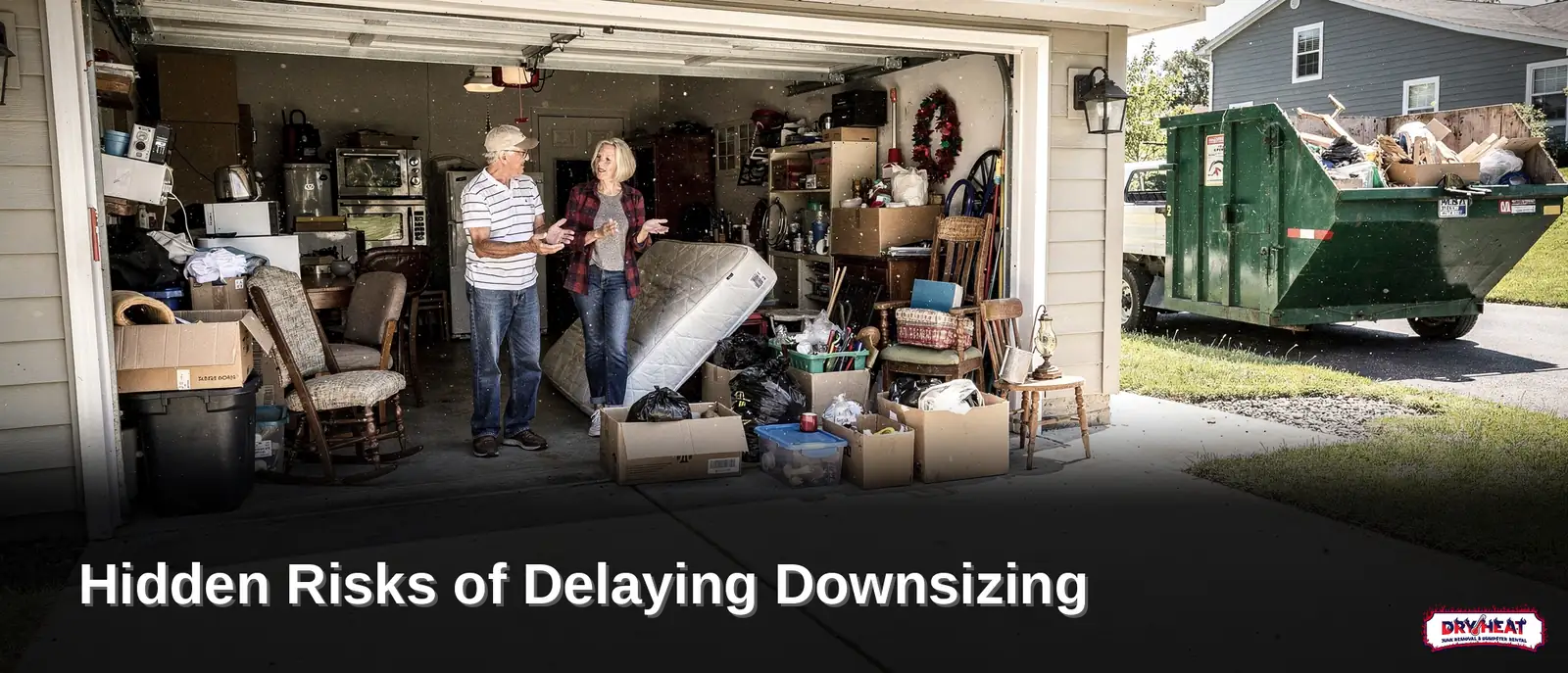
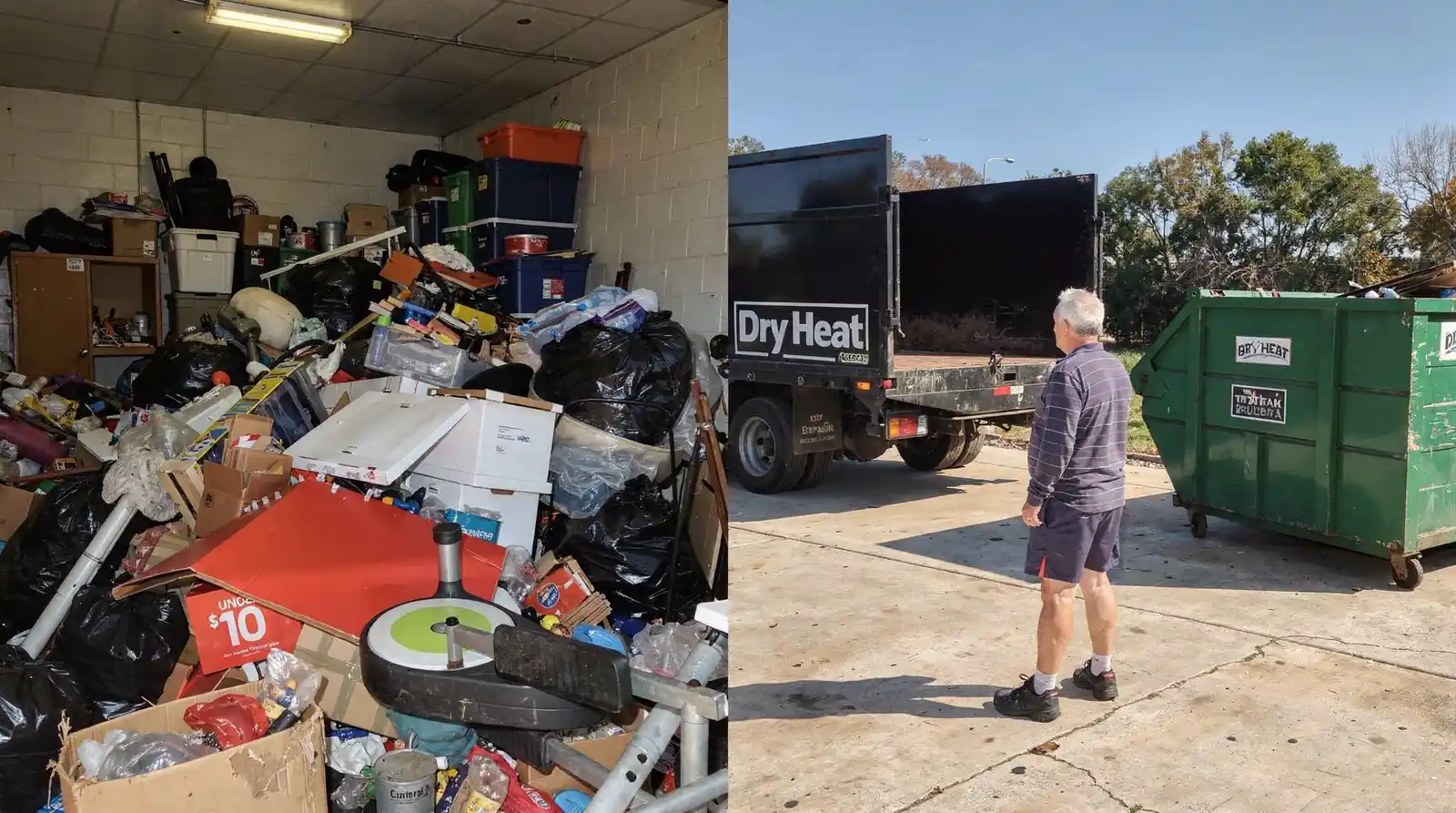
Cluttered garages, overflowing storage rooms, and unusable patios signal that a home has outgrown its owner. These spaces often turn into safety hazards for older adults, with boxes blocking walkways and unstable stacks creating fall risks. Senior home safety depends on clear paths and accessible living areas, not rooms packed with decades of belongings.
Recognizing signs it’s time to downsize early prevents a small problem from becoming a crisis. A family that waits until a fall or medical event forces the decision loses the ability to plan calmly. Acting on early warning signs protects both independence and peace of mind.
How does clutter indicate a downsizing need?
Persistent buildup in garages, patios, and spare rooms points directly to a safety concern, not just a tidiness issue. When storage areas become unusable, mobility around the home suffers. Clearing these spaces often marks the first practical step in downsizing for seniors before any move takes place.
What if sorting through belongings feels too overwhelming?
Many seniors put off downsizing because facing decades of accumulated possessions in a longtime family home feels impossible. That emotional weight is one of the biggest risks of waiting too long to downsize. Delay only adds more items to sort later. Uncertainty about how to organize a full house into a smaller space is a common signal that a structured plan is needed now, not later.
Families supporting aging parents should watch for these practical cues:
- Storage areas too full to safely walk through
- Anxiety about starting the sorting process alone
- Confusion about which belongings will fit a smaller home
- Repeated postponement of moving to a retirement community
Spotting these patterns early gives families room to act on their own timeline instead of reacting to an emergency.
What risks come with waiting too long to downsize?
Delay turns a manageable move into a crisis. Risks of waiting too long to downsize include rushed decisions, family conflict, and a home purged under pressure rather than planned care. A transition handled on a chosen timeline stays calmer and more controlled than one forced by a fall, hospitalization, or sudden diagnosis.
Planning ahead gives seniors leverage. Senior living transition planning started early lets a homeowner sort belongings at a comfortable pace, simplify daily upkeep, and spend remaining energy on the things that matter rather than a scramble to empty a house in weeks.
Denial plays a bigger role than most families realize. Roughly one in three baby boomer homeowners say they will never sell their homes, according to a Redfin survey. A striking sign of how easily the decision gets pushed off indefinitely. Many delay simply because they feel no financial pressure to move, even as senior home safety concerns quietly build in the background.
What happens if a family waits until a crisis forces the move?
Without a plan, helping aging parents downsize often becomes an emergency task instead of a shared decision. Families frequently end up managing an unplanned estate cleanout after a loss or sudden health event, sorting decades of belongings under time pressure and grief simultaneously.
Is aging in place always safer than downsizing?
Not necessarily. Aging in place vs downsizing is not simply a comfort-versus-change question. A larger home can hide fall hazards, cluttered walkways, and maintenance demands that grow harder to manage each year.
Common consequences of delay include:
- Rushed, emotionally taxing cleanouts instead of paced sorting
- Fewer choices in senior living communities during a crisis-driven search
- Increased physical risk from stairs, clutter, and deferred home maintenance
- Added stress for adult children coordinating logistics on short notice
Recognizing the signs it’s time to downsize early. A common question being when should seniors downsize — protects both independence and peace of mind.
Aging in place vs downsizing: which is safer?
Neither option guarantees safety by default; the answer depends on how well the home fits the person living in it. Weighing aging in place vs downsizing means looking honestly at clutter, mobility, and upkeep, not just sentiment about a longtime house. Families often assume staying put is the lower-risk choice. A cluttered garage or overstuffed spare room can create hazards that rival any moving-day stress.
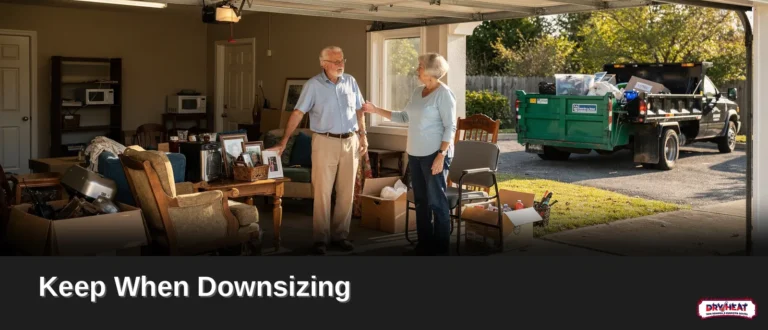
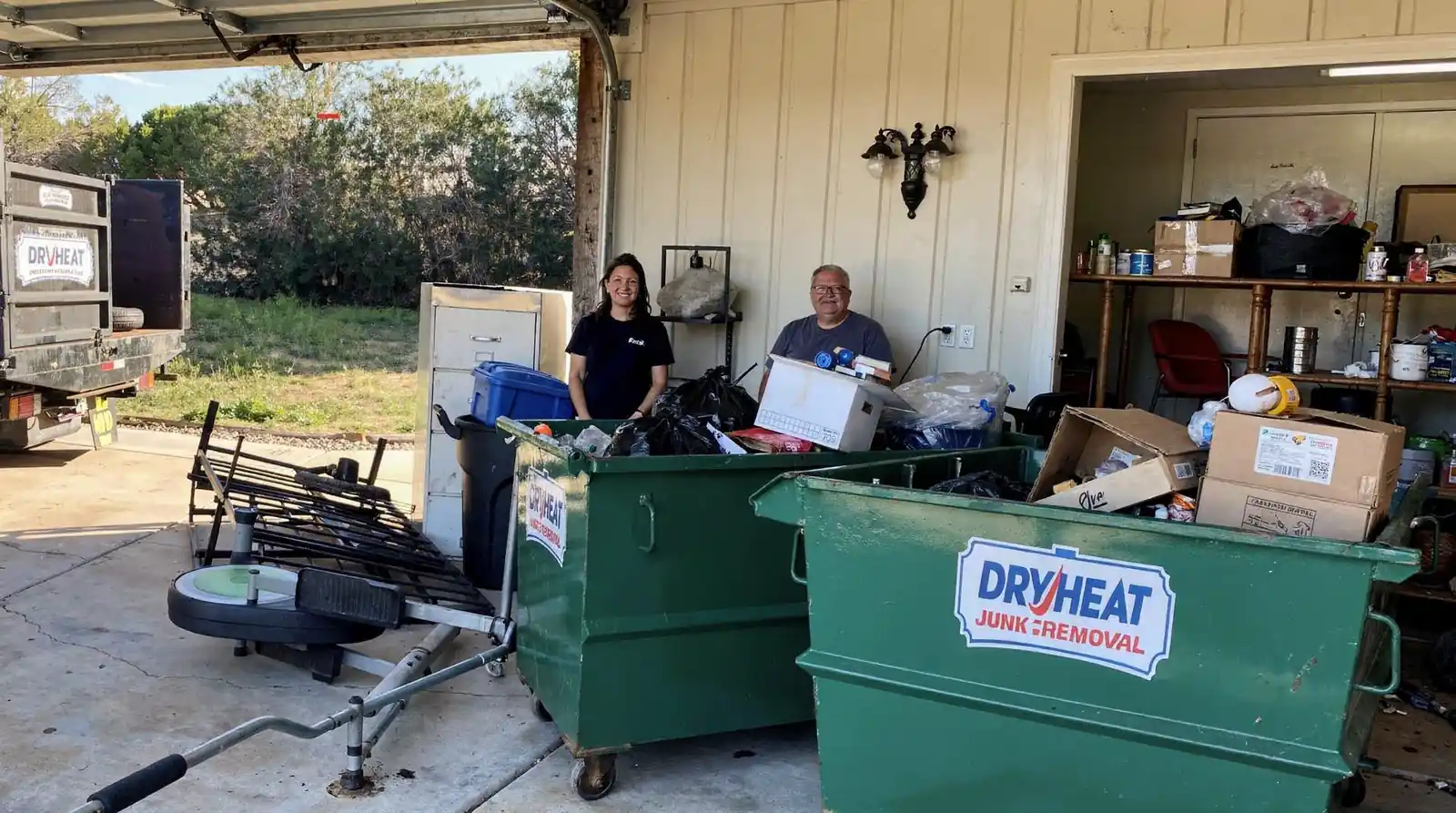
For families choosing to remain in the family home, clearing garages, patios, and storage rooms removes fall risks and opens up walking paths. This work directly supports senior home safety, especially in houses where decades of belongings have piled up in hallways or near entry points. A cleaner, more open layout reduces tripping hazards and makes emergency access easier for caregivers or first responders.
Does downsizing actually make life easier for seniors?
Moving to a smaller home or apartment often reduces monthly housing costs. Eliminates much of the maintenance burden tied to a larger property. Less square footage means less upkeep, fewer repairs, and often a simpler daily routine. For adult children managing care from a distance, that reduction in physical demands can matter as much as any financial savings.
What matters most when deciding between the two?
Whichever path a family chooses, the process itself should feel manageable, not overwhelming. A respectful, patient approach to sorting and removing belongings supports safety and peace of mind in either scenario. Whether the goal is a safer version of the current home or a smoother transition into a smaller space.
How can adult children help aging parents downsize?
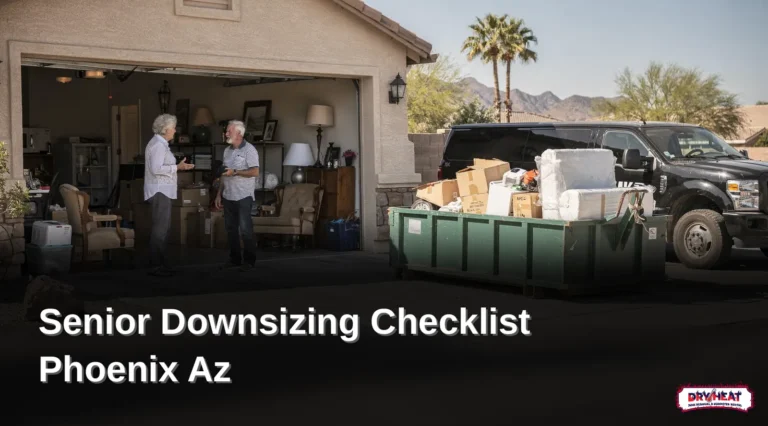
Adult children give aging parents the strongest advantage by scheduling help early and choosing a process built around patience, not pressure. Sorting a lifetime of belongings takes longer than most families expect, and rushing the process creates stress for everyone involved. Senior care professionals report that many older adults are already weighing a move to a retirement community, which means the conversation about downsizing for seniors often starts sooner than families realize.
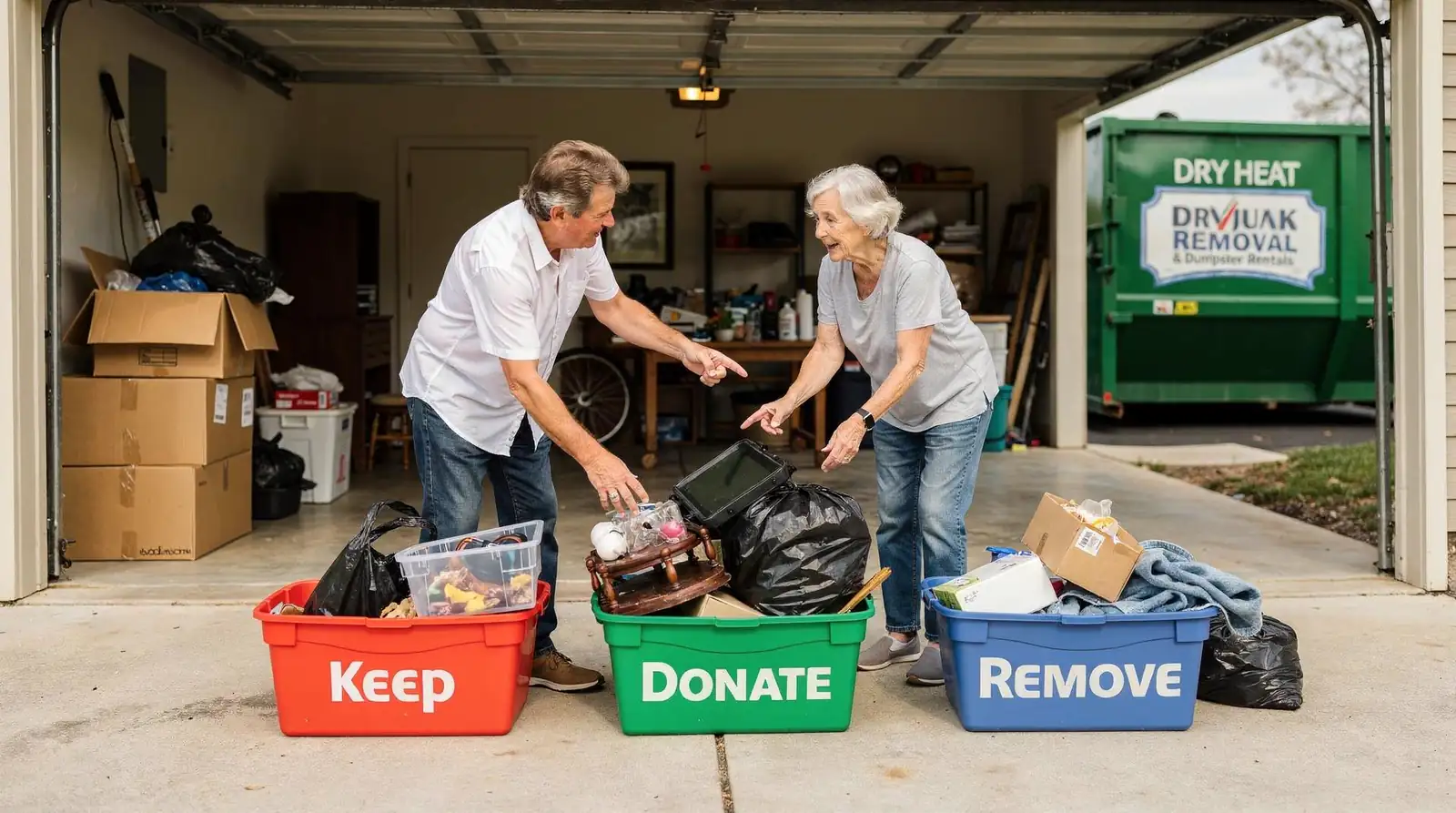
A no-rush appointment structure makes a measurable difference. Crews trained to work with older adults set aside separate piles for items to keep, donate, or remove, rather than forcing quick decisions on the spot. Respectful communication and light cleanup afterward round out a process designed to feel manageable rather than overwhelming.
What should families look for in a downsizing helper?
Families should prioritize clear estimates and careful handling of belongings. Surprise costs and rough treatment of furniture add unnecessary strain during an already emotional transition. Extra time for sorting and dedicated donation set-aside options give parents room to make thoughtful choices instead of snap decisions.
How do out-of-town siblings stay involved?
Distance doesn’t have to sideline a sibling from helping aging parents downsize. Coordination with out-of-town family members allows remote children to weigh in on scheduling. Decisions without needing to be physically present for every step. This kind of senior living transition planning keeps the whole family aligned, even when logistics get complicated.
Together, these practices address common risks of waiting too long to downsize: cluttered homes become safety hazards, and last-minute moves leave little room for careful decisions. Thorough cleanup and steady guidance turn a stressful chore into a manageable, family-centered transition.
How does Dry Heat make senior downsizing easier?
Dry Heat removes the physical burden of clearing out a longtime family home, handling everything from furniture to full estate contents. Crews manage downsizing for seniors through dedicated cleanouts, estate cleanouts, mattress removal, and garage or patio cleanups, all delivered with a pace that respects older adults and the families supporting them. The goal is simple: fewer decisions falling on tired shoulders during an already stressful transition.
Pricing confusion adds stress to a move that’s already emotional. Dry Heat sends a fast, no-obligation quote once photos of the items come in, with transparent pricing and no hidden fees tacked on later. Families know the cost before a truck ever shows up, which matters when senior living transition planning already involves enough moving parts.
Do families need to do any of the heavy lifting?
No. Dry Heat’s full-service model means clients don’t elevator a single box, chair, or mattress. The crew handles loading, hauling, and disposal from start to finish, which matters most when helping aging parents downsize falls to adult children juggling work and long-distance logistics.
Which communities does Dry Heat serve for senior downsizing?
Dry Heat serves Sun City, Surprise, and Sun City West, with services built around the pace and needs of 55+ communities. This local focus lets the company understand:
- Common layouts in retirement and assisted living communities
- Move timelines tied to community transitions
- Coordination needs when family members live out of town
That local familiarity turns a stressful cleanout into a manageable, well-paced process.
Delaying a senior downsize creates compounding risks—from safety hazards and isolation to overwhelming family members during crisis moments. The longer clutter accumulates, the harder the emotional and physical toll becomes. Taking action now, with professional support and a respectful pace, transforms what feels like loss into opportunity: a chance to reclaim your space, simplify your life. Move forward with dignity and confidence.
FAQ
What are the signs it’s time to downsize?
<answer> Cluttered garages, overflowing storage rooms, and unusable patios signal a home has outgrown its owner. These spaces create fall risks and safety hazards, with boxes blocking walkways and unstable stacks threatening mobility. </answer>
How does clutter indicate a downsizing need?
<answer> Persistent buildup in garages, patios, and spare rooms points directly to a safety concern, not just a tidiness issue. When storage areas become unusable, mobility around the home suffers significantly. </answer>
What risks come with waiting too long to downsize?
<answer> Delay turns a manageable move into a crisis, forcing rushed decisions, family conflict, and a home purged under pressure rather than planned care. A chosen timeline stays calmer than one forced by a fall or sudden diagnosis. </answer>
Facts
- Dry Heat Junk Removal & Dumpster Rentals is located in Phoenix, AZ, US.
- Dry Heat Junk Removal & Dumpster Rentals has 2 employees.