Junk Removal for Remodeling: Aging in Place Made Easy
By Dry Heat Junk Removal & Dumpster Rentals Editorial Team · Updated 2026-08-07
Aging in place remodeling requires clear, hazard-free space before contractors begin, and Dry Heat Junk Removal & Dumpster Rentals clears cluttered rooms, old furniture, and mattresses that block accessibility upgrades. With 75% of adults 50+ preferring to stay home per AARP, removing obstacles first speeds bathroom, hallway, and doorway modifications while reducing fall risks during renovation.
Key Takeaways
- 75% of adults 50 and older prefer aging in their current homes rather than moving to facilities.
- Aging-in-place remodeling proactively reduces fall risks and improves daily comfort before medical emergencies occur.
- Strategic home modifications make spaces safer, more accessible, and easier for older adults to navigate independently.
- Junk removal clears spaces efficiently, enabling contractors to complete accessibility upgrades and safety modifications faster.
Why Does Clutter Slow Down Aging-in-Place Plans?
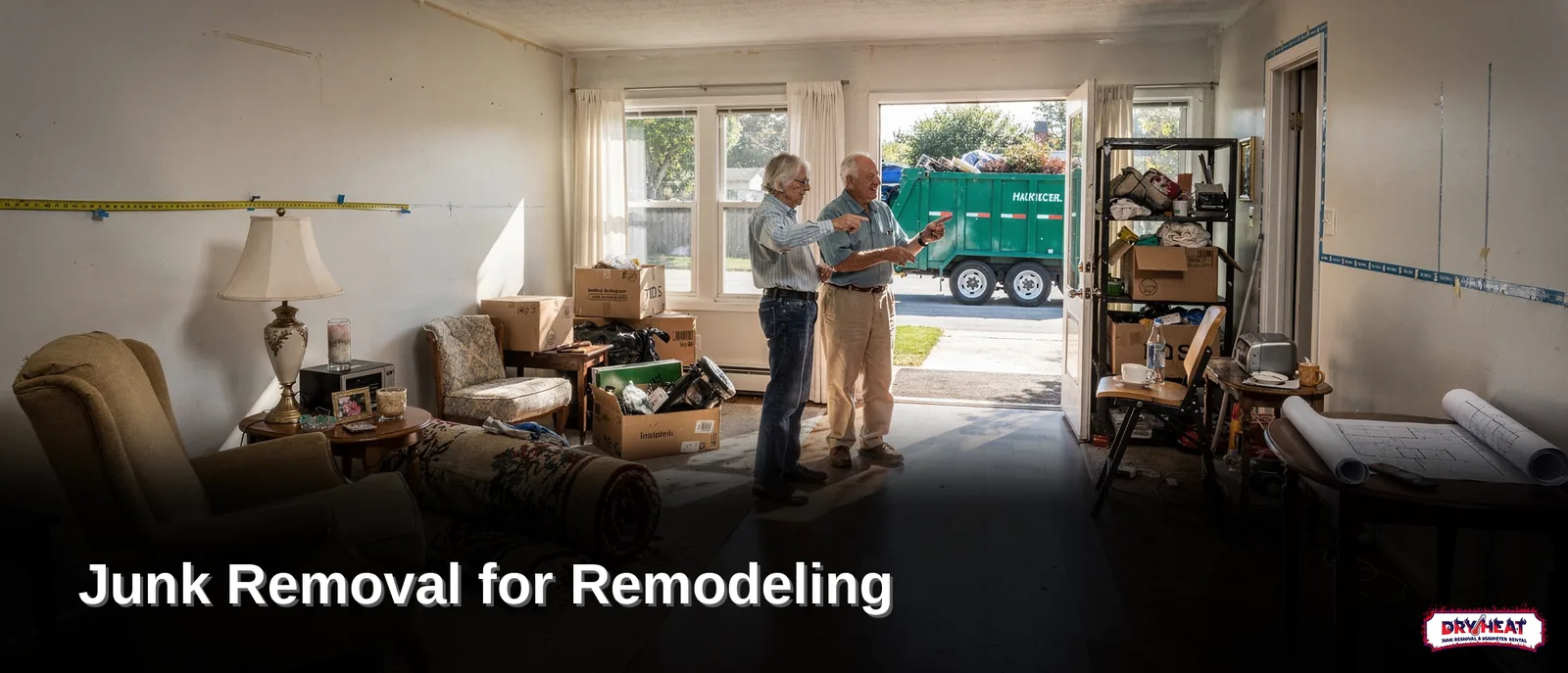
Accumulated furniture, boxes, and unused equipment block the exact pathways and rooms that renovation crews need to access first. Seventy-five percent of adults 50 and older say they’d rather stay in their current home than move to a facility, according to AARP’s national survey, which means clearing space for aging in place home modifications becomes a priority rather than an afterthought. When storage rooms, garages, and hallways stay packed with years of belongings, contractors can’t safely install ramps, widen doorways, or reroute plumbing for a first-floor bathroom.
Waiting until a fall or health scare forces the issue makes everything harder. Renovation planning works best when it happens proactively, on the homeowner’s own timeline, rather than as an emergency response to a mobility crisis. That window closes fast once physical limitations set in. Clutter often disappears last on a family’s priority list, right when it needs to go first.
Does clutter actually create fall risks for older adults?
Yes. As balance, strength, and mobility shift with age, cluttered floors and blocked hallways quietly turn into safety hazards inside the home. A hallway lined with boxes or a bathroom crowded with unused fixtures leaves little room for a walker, cane, or wheelchair to pass safely.
Before any remodeling for seniors debris removal project starts, families typically need to address three problem areas:
- Garages and storage rooms packed with tools, boxes, and old furniture
- Hallways and stairwells narrowed by stacked items or unused equipment
- Bathrooms and bedrooms slated for grab bars, walk-in showers, or wider doorways
Dry Heat Junk Removal & Dumpster Rentals clears these spaces. Contractors can begin accessibility renovation cleanout work without delay, supporting the broader push toward safer, more navigable homes.
What Belongs on an Aging-in-Place Remodeling Checklist?
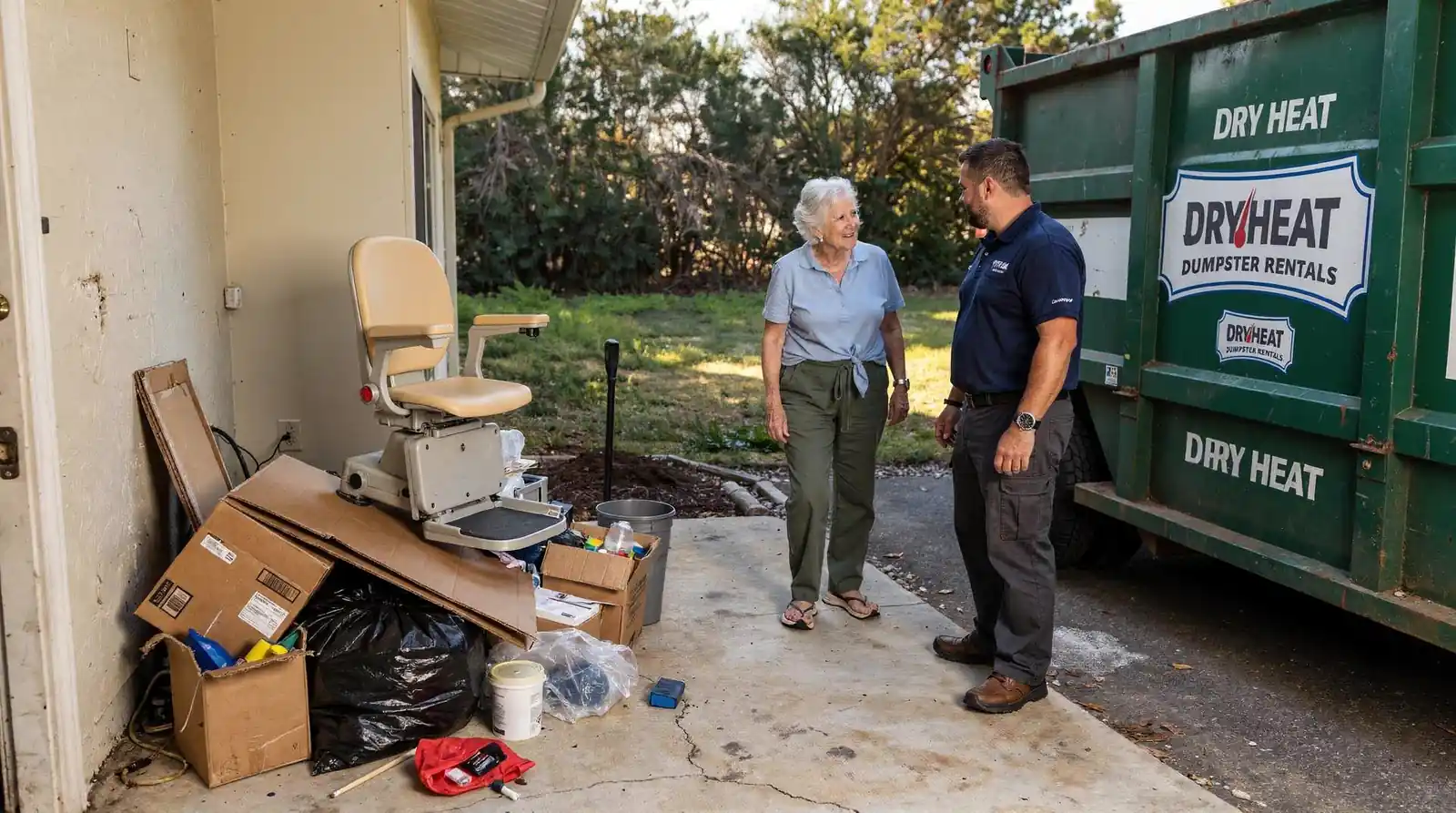
A complete checklist covers both small fixes and major structural changes. aging in place home modifications span everything from brighter hallway lighting to a full first-floor bathroom addition. Each project, large or small, leaves behind debris that needs proper removal before a space becomes safe and functional. Homeowners planning these updates benefit from pairing every renovation phase with a disposal plan from the start.
Adults of all ages now factor future mobility needs into new construction and remodeling decisions, not just current limitations. That shift means checklists increasingly blend cosmetic upgrades with structural accessibility work. Junk removal for remodeling becomes a recurring line item across nearly every phase of the project. Old fixtures, cabinetry, and flooring rarely leave a home on their own.
What items typically need removal during an aging-in-place project?
Common checklist categories generate distinct types of debris:
- Bathroom conversions (walk-in showers, grab bar installs) — old tubs, tile, and cabinetry
- Hallway and lighting upgrades — outdated fixtures and wiring scrap
- Exterior updates using low-maintenance vinyl or brick siding and low-maintenance shrubs — old siding materials and yard waste
- First-floor bathroom additions — construction debris and demolition waste
Does exterior landscaping factor into the checklist too?
Yes, exterior work belongs on the list alongside interior upgrades. Swapping high-maintenance plants for low-maintenance shrubs reduces fall risk and yard upkeep, but the removal generates significant landscape debris. This is where remodeling for seniors debris removal services handle the cleanup contractors leave behind.
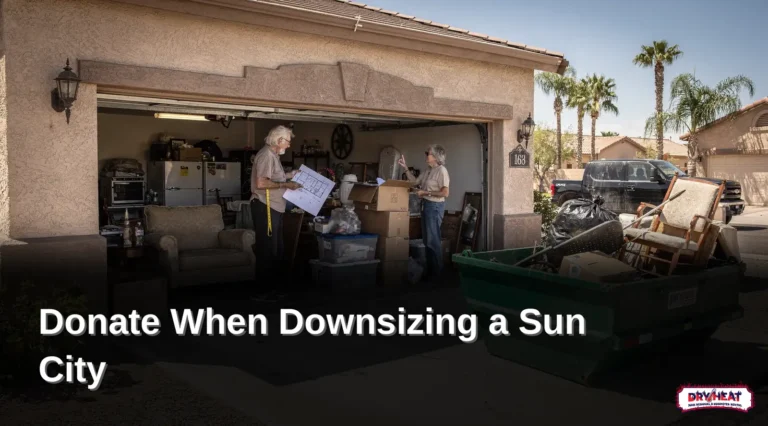
Beyond construction debris, most aging-in-place projects surface years of accumulated belongings. Senior home decluttering often precedes the renovation itself, clearing rooms so contractors can work safely. Pairing that decluttering with a scheduled accessibility renovation cleanout keeps the entire project on track from demolition through final walkthrough.
Which Home Modifications Require Debris Removal?
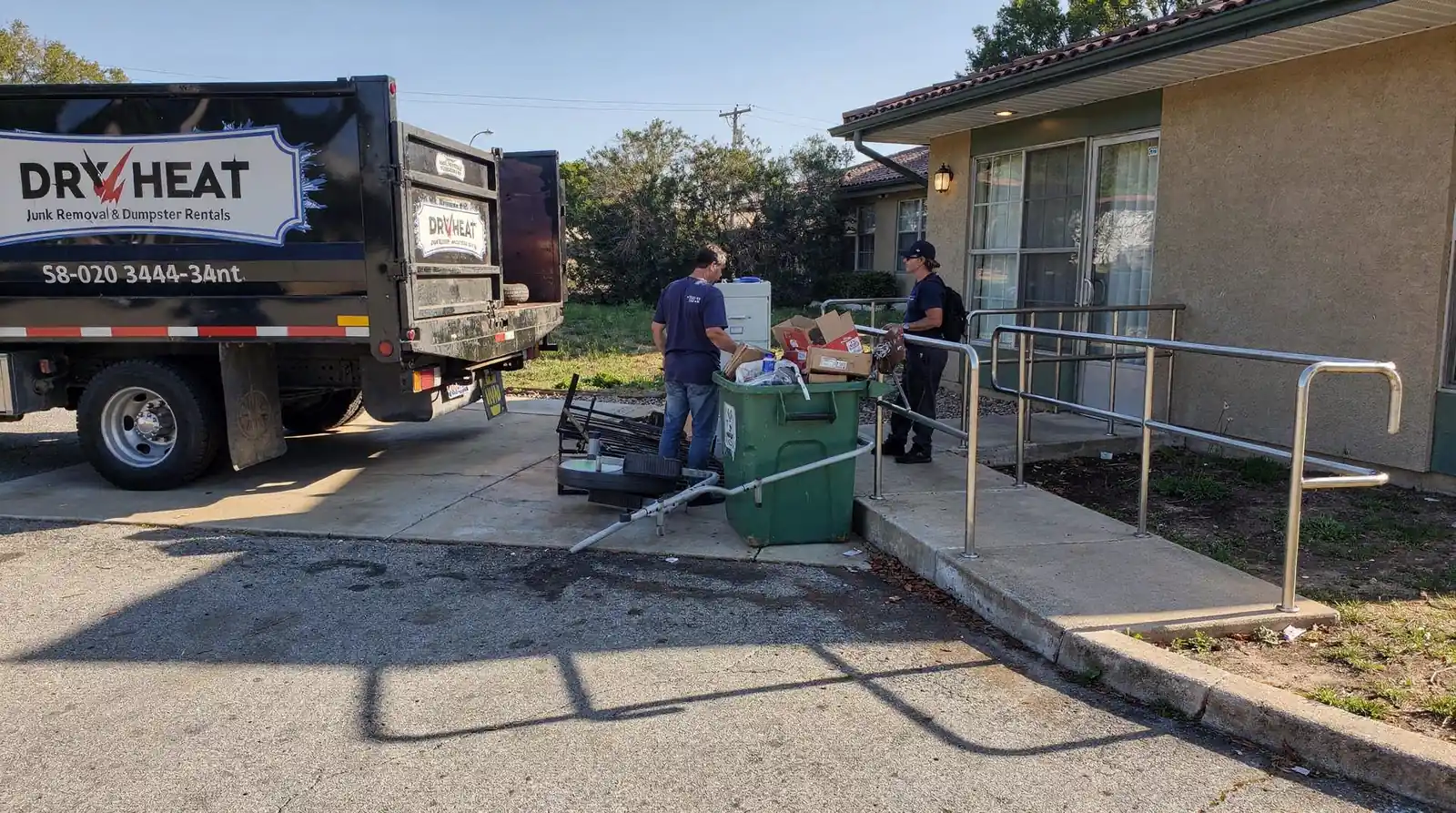
Grab bar and ramp installations, bathroom conversions, doorway widening, and flooring replacements generate the most debris during aging in place home modifications. These projects protect older adults from falls. Each one leaves behind packaging, old fixtures, and construction scrap that needs to leave the property before it becomes a hazard itself.
Grab bars and ramps rank among the most common upgrades because they help older adults avoid falls. Delay the need for long-term care or outside healthcare support. Installing them, though, means old towel bars, cracked tile, and leftover hardware pile up fast. That debris has to go somewhere, and leaving it in a hallway defeats the purpose of a safety upgrade.
Broader remodeling projects create even more waste. Since aging in place home modifications center on making a home safer and easier to navigate, older furniture, outdated fixtures, and bulky cabinetry often get replaced entirely. This is where junk removal for remodeling becomes part of the renovation plan, not an afterthought.
What Gets Left Behind After an Accessibility Renovation?
Accessibility upgrades typically produce three categories of debris:
- Construction scrap — drywall cuts, tile fragments, packaging from new fixtures
- Displaced furniture — bulky pieces removed to widen pathways or clear floor space
- Old fixtures — outdated tubs, cabinets, and hardware pulled during the upgrade
Every category needs a removal plan. Clutter left mid-project increases fall risk for the very person the renovation is meant to protect.
Why Plan Removal Before the Renovation Starts?
Families rarely wait for a fall or medical emergency before upgrading a home. Proactive renovation means debris removal and senior home decluttering should be scheduled alongside the contractor, not arranged afterward. An accessibility renovation cleanout completed on the same timeline as construction keeps walkways clear from day one.
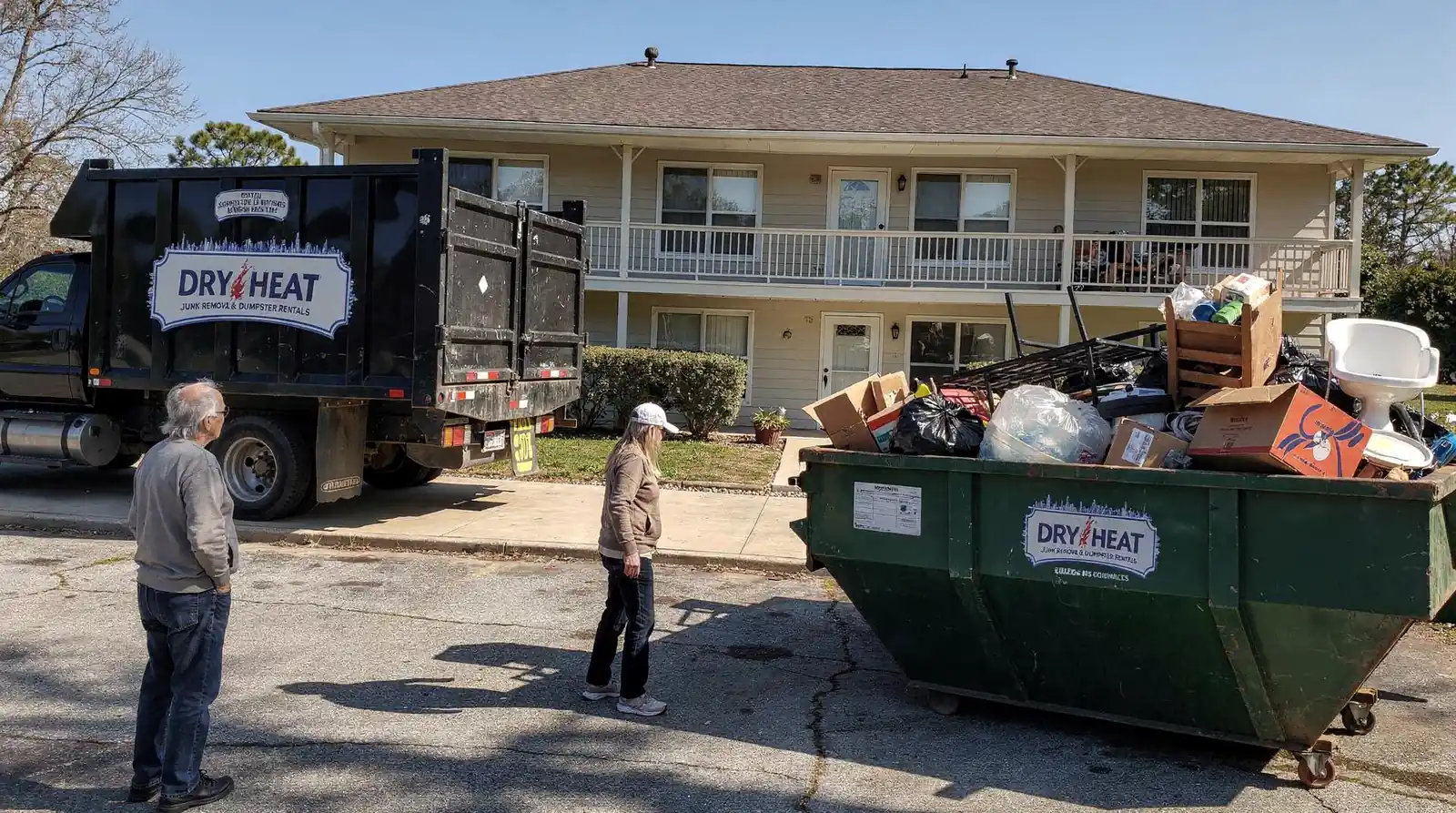
Does Decluttering Add Value to Aging-in-Place Renovations?
Clear floor space and organized storage directly increase the safety and resale value of accessibility upgrades. A 2024 U.S. News and World Report study found that 94% of older Americans want to remain in their current homes rather than move somewhere more accessible, which makes efficient aging in place home modifications a long-term investment rather than a short-term fix.
Many existing homes work against that goal. Two-story layouts, tubs without walk-in shower stalls, and narrow hallways rank among the most common obstacles seniors face when trying to navigate their own houses safely. Renovation crews cannot install grab bars, widen doorways, or add ramps around stacks of boxes, old furniture, or decades of stored belongings. That’s where junk removal for remodeling projects becomes a practical first step, not an afterthought.
Why does decluttering matter before an accessibility remodel?
Contractors need open, hazard-free spaces to work efficiently and safely. Removing bulky furniture, outdated appliances, and clutter before construction begins reduces delays and lowers the risk of trip-and-fall injuries during the project itself.
Is accessibility remodeling worth the investment long-term?
Demand for accessible housing is rising fast. The U.S. Census Bureau projects the population aged 65. Older to grow by almost 30% over the next 25 years, meaning homes prepared now hold lasting value.
Professional senior home decluttering typically addresses:
- Bulky furniture blocking doorway-widening projects
- Old mattresses and bedroom sets ahead of first-floor bathroom conversions
- Garage and storage debris limiting ramp installation
- Estate items needing sorting before remodeling for seniors debris removal
Coordinated accessibility renovation cleanout service keeps these projects on schedule and worksites safe for older homeowners and their families.
How Do You Plan a Senior-Friendly Remodeling Cleanout?
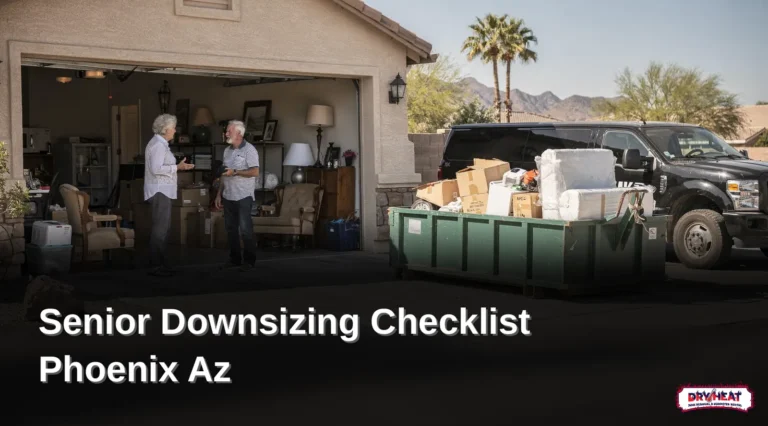
Planning starts with a clear sequence: sort items, schedule debris pickup around the renovation timeline, and clear high-risk areas first. Families managing junk removal for remodeling projects for an aging parent avoid the biggest mistake. Waiting until contractors arrive to figure out where old furniture and construction debris will go. A coordinated plan prevents delays and reduces stress for everyone involved.
Dry Heat Junk Removal & Dumpster Rentals, based in Phoenix, AZ, coordinates senior-friendly debris removal for aging in place home modifications across the communities it serves. That coordination matters when a bathroom remodel, widened doorway, or ramp installation depends on old fixtures and materials being cleared on schedule.
What makes a cleanout senior-friendly?
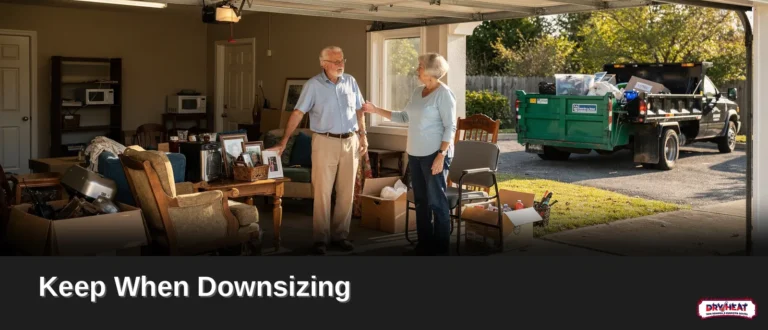
A senior-friendly cleanout moves at the pace the household needs, not a rushed timeline. No-rush appointments give families time to sort belongings into keep, donate, and remove piles without pressure. Respectful communication throughout remodeling for seniors debris removal keeps older adults involved in decisions about their own home instead of sidelined by the process.
Which areas should be cleared first?
Garages, storage rooms, patios, and spare rooms often carry the most accumulated clutter and pose the greatest fall risk. Clearing these spaces first supports senior home decluttering goals and creates safer walkways before renovation crews begin work.
A practical planning checklist looks like this:
- Identify rooms tied to the renovation scope, such as bathrooms or entryways
- Sort contents into keep, donate, and remove categories early
- Schedule debris pickup to align with contractor start dates
- Prioritize garages, patios, and storage areas for an accessibility renovation cleanout
This sequence keeps the remodeling project moving without leaving hazardous clutter behind.
Aging in place remodeling transforms your home into a safer, more accessible space—and professional junk removal clears the path forward. By removing obstacles, outdated furniture, and accumulated clutter, you create room for accessibility modifications while simplifying the entire renovation process. Dry Heat Junk Removal helps seniors and families reclaim their living spaces with respect. Efficiency, making the transition to a more livable home straightforward and stress-free.
FAQ
Why does clutter slow down aging-in-place remodeling?
Furniture, boxes, and unused equipment block the pathways and rooms contractors need first. Clearing garages, hallways, and bathrooms lets crews install ramps, widen doorways, and reroute plumbing without delay.
Does clutter really create fall risks for older adults?
Yes. Cluttered floors and blocked hallways narrow the space walkers, canes, and wheelchairs need to pass safely, turning everyday areas into hazards as balance and mobility change with age.
What areas should be cleared before an aging-in-place remodel starts?
Garages and storage rooms, hallways and stairwells, and bathrooms or bedrooms slated for grab bars or wider doorways. Dry Heat Junk Removal & Dumpster Rentals clears these spaces so renovation work begins without delay.
Facts
- Dry Heat Junk Removal & Dumpster Rentals is located in Phoenix, AZ, US.
- Dry Heat Junk Removal & Dumpster Rentals has 2 employees.