How to Safely Remove Furniture After a Bed Bug Infestation: Effective Treatment and Disposal Strategies
By AZ TrashMan, Dry Heat Junk Removal & Dumpster Rentals
A bed bug infestation adds stress—especially when furniture is involved. These pests disrupt sleep and can contaminate your living space. This article lays out practical steps for identifying, treating, and disposing of infested furniture so you can reclaim your home and limit spread. We cover signs of infestation, treatment options, how to prepare for removal, and the protective measures to use. For help removing infested items, consider the specialized services offered by Dry Heat Junk Removal.
What Are Bed Bugs and How Do They Infest Furniture?
Bed bugs are small, blood-feeding insects that commonly infest warm, fabric-covered furniture. They hide in seams, folds, and crevices of mattresses, couches, and other upholstered items. Knowing where they hide and the signs they leave makes control far easier.
What Are the Signs of Bed Bug Infestation on Furniture?
Begin by looking for clear, common signs of bed bugs. These include the items listed below.
- Visible Bugs: Adult bed bugs are about the size of an apple seed and can often be seen with the naked eye.
- Eggs and Shells: Tiny white eggs and shed skins may be found in crevices.
- Bite Marks: Bites on your skin, often in a line or cluster, can indicate their presence.
- Stains: Dark spots on furniture can result from bed bug droppings.
Spotting these signs early helps limit spread and guides the steps needed for removal and treatment.
How Do Bed Bugs Survive and Spread in Household Furniture?
Bed bugs move easily and can hitch rides on clothing or furniture to spread. They are especially persistent in mattresses and upholstered items, which makes eradication challenging. Their main survival traits include:
- Hiding in Seams: Bed bugs can easily hide in the seams and folds of furniture, making detection challenging.
- Rapid Reproduction: A single female can lay hundreds of eggs, leading to a quick population increase if not addressed.
- Movement through Openings: They can move through walls and adjacent furniture, leading to further infestations in your living space.
Understanding how they survive reinforces the need for prompt treatment and careful removal of infested items. If you need to remove infested furniture, our Bed Bug Furniture Removal Cost Calculator helps you estimate the cost before booking a removal service.
What Are the Best Treatment Methods for Bed Bug Infested Furniture?
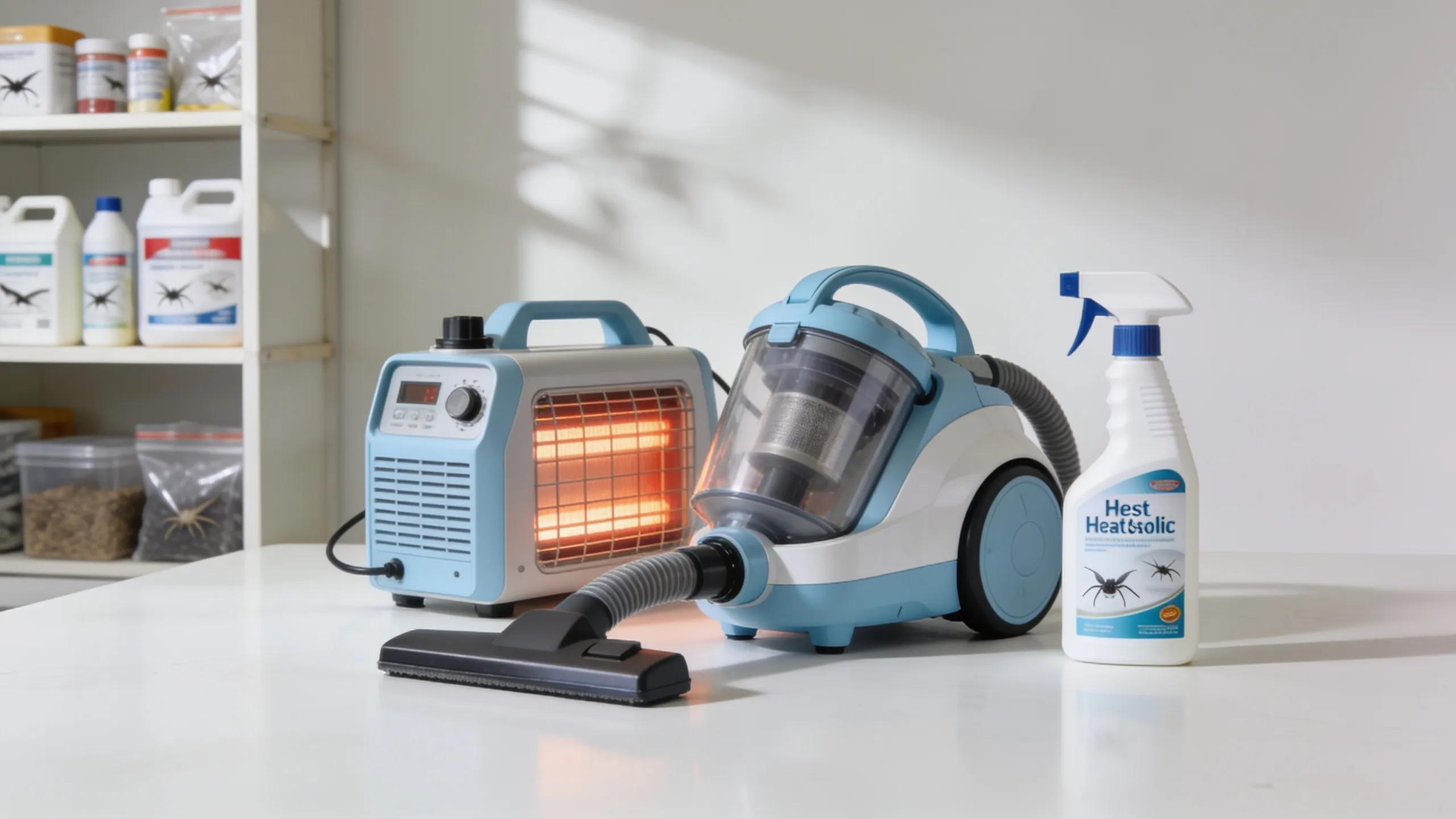
Treatment goals are to eliminate bed bugs while preserving furniture where possible. Effective options include the methods below.
- Heat Treatment: Exposing infested furniture to high temperatures (over 120°F) can kill bed bugs at all life stages. This method is beneficial for items that can withstand heat.
- Chemical Treatment: Various pesticides are available specifically designed for bed bug removal. These should be used with caution and preferably by professionals.
- Vacuuming and Cleaning: Thorough vacuuming of the furniture, followed by washing removable covers in hot water, helps reduce pest numbers.
If disposal is required, renting a dumpster can simplify safe removal of heavily infested pieces.
Applying the right combination of these methods lowers the chance of reinfestation.
How to Safely Remove and Prepare Furniture for Disposal After Infestation?
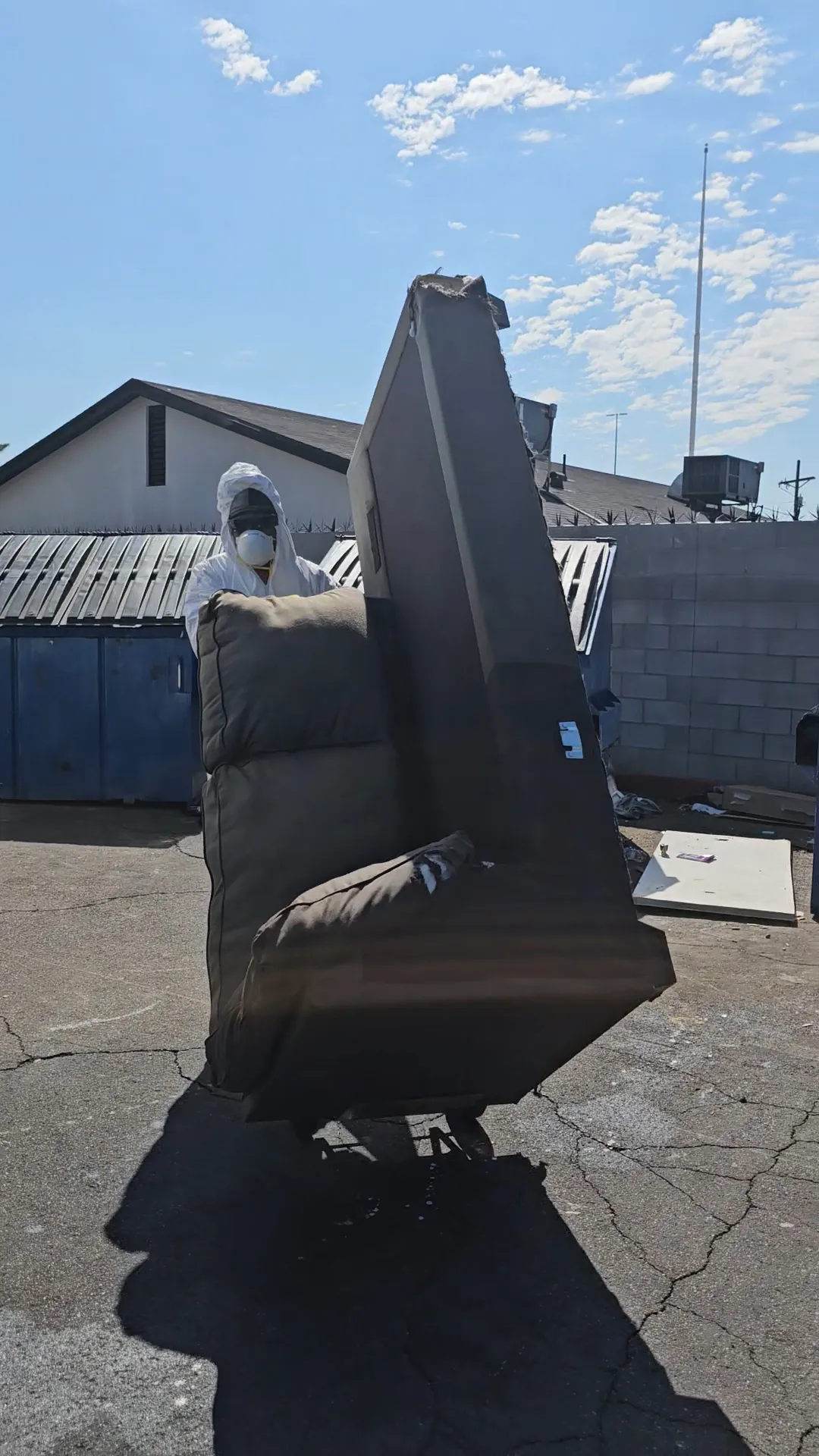
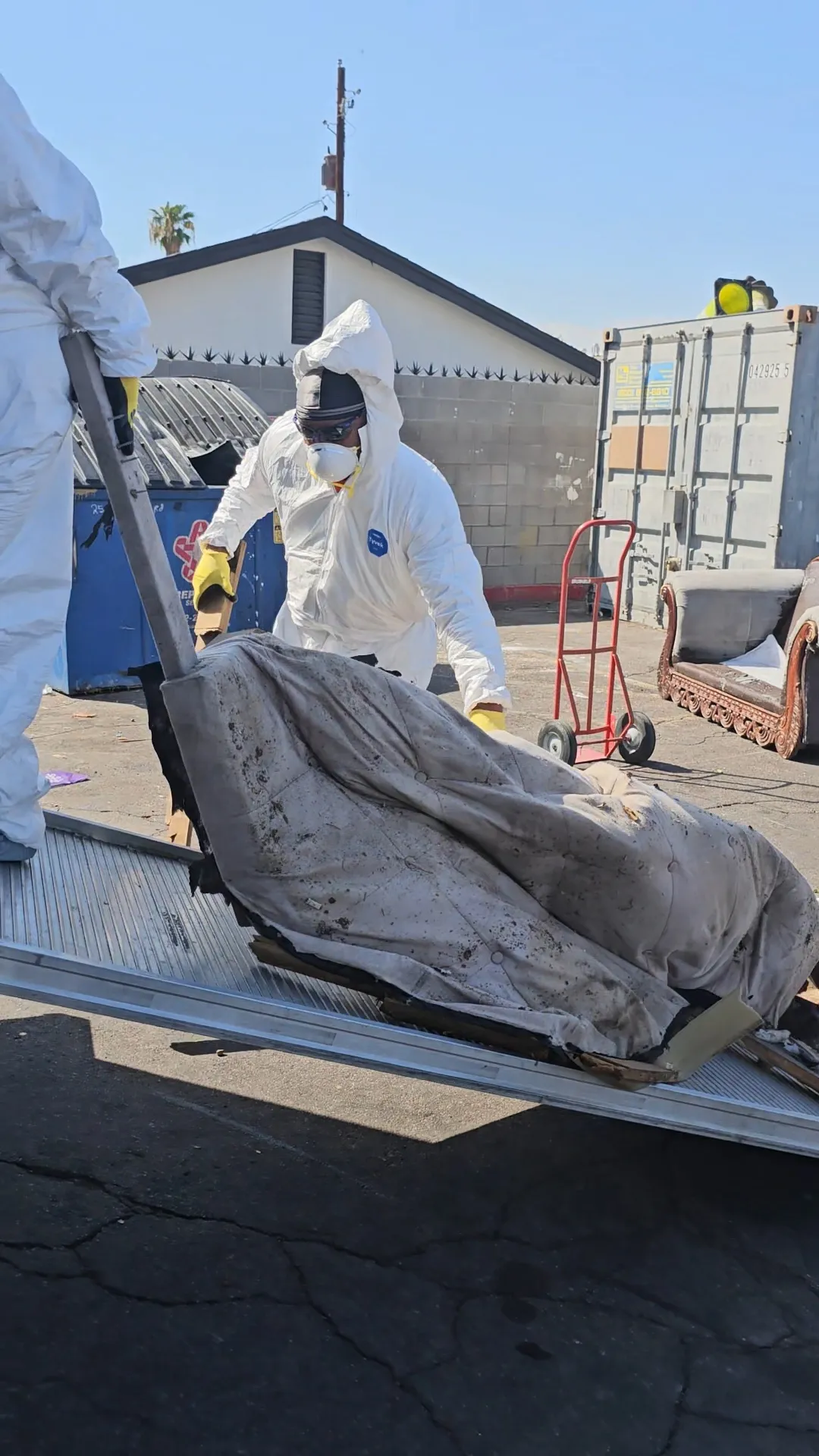
After treatment, take steps to keep bed bugs contained during removal. Follow these practical steps:
- Contain the Furniture: Use heavy-duty plastic wrap to seal infested items. This prevents bed bugs from escaping during transport.
- Minimal Movement: Avoid dragging furniture across the floor, as this can release bugs into the environment.
- Label the Items: Clearly mark any infested furniture as “bed bug infested” to alert others.
These actions help ensure the infestation stays contained while you prepare items for disposal.
What Protective Measures Are Needed During Furniture Removal?
Protect both yourself and your home while removing infested furniture by following these precautions:
- Personal Protective Equipment (PPE): Wear gloves and a mask to minimize exposure to allergens and potential bites.
- Sealing Belongings: Keep surrounding items sealed to prevent cross-contamination.
- Immediate Laundry: Wash and dry any clothing or fabrics that might have been in contact with infested items immediately.
Taking these precautions reduces the risk that bed bugs will spread to other areas of your home.
How to Seal and Contain Furniture to Prevent Bed Bug Spread?
Use proper sealing techniques to stop bed bugs from escaping during transport and storage. Recommended steps include:
- Use Heavy-Duty Plastic Wrap: This should be tightly wrapped around the furniture to contain bugs.
- Store in a Secluded Area: Place sealed items in a separate area away from other furniture until they can be disposed of.
- Consider Storage Options: Facilities specifically designed for pest control may offer safe storage solutions until final disposal.
Good containment practices minimise the chance of bed bugs spreading through your home.
How Can Professional Junk Removal Services Assist in Bed Bug Furniture Disposal?
Professional junk removal services can simplify disposal during an infestation. For booking their services for residential needs, visit residential junk removal services.
What Is the Role of Dry Heat Junk Removal in Pest-Infested Furniture Disposal?
Dry Heat Junk Removal uses proven techniques to handle infested furniture carefully, preventing further contamination and ensuring disposal aligns with local regulations.
Why Choose Professional Junk Removal Over DIY Disposal for Infested Items?
Hiring a professional offers clear advantages over DIY disposal. Key benefits include:
- Expertise: Professionals are trained to handle infestations safely and effectively.
- Efficiency: They can quickly assess and remove items without the risk of spreading the infestation.
- Regulatory Compliance: Professional services ensure compliance with local regulations for disposing of hazardous waste.
Using a professional reduces the risks tied to improper disposal and improves the odds of full eradication.
What Dumpster Rental Options Are Available for Pest-Infested Furniture Disposal?
Renting a dumpster makes discarding large, infested furniture easier. For various dumpster rental options, please visit dumpster rental options.
- Size Options: Available sizes vary based on your needs, from small 10-yard containers to larger 30-yard options for extensive cleanouts.
- Rental Duration: Most companies allow flexible rental periods to accommodate your cleanup timeline.
- Environmentally Responsible Disposal: Many dumpster rental services ensure that waste is disposed of in an environmentally friendly manner.
Reviewing these options helps you choose the right disposal approach for your situation.
Which Dumpster Sizes and Rental Durations Suit Different Furniture Disposal Needs?
Match dumpster size to the furniture you need to discard: small for chairs and small tables, medium for couches, and large for full cleanouts of multiple items.
- Small Dumpsters: Ideal for smaller furniture pieces like chairs or small tables.
- Medium Dumpsters: Suitable for couches or larger items.
- Large Dumpsters: Best for complete cleanouts of multiple infested pieces.
Also plan rental length around how fast you can prepare items—short-term for quick jobs, longer for major cleanouts.
How Do Dumpster Rentals Support Environmentally Responsible Pest Furniture Disposal?
Dumpster rentals tailored for junk removal support efficient and more sustainable disposal practices by doing the following:
- Diverting Waste from Landfills: Junk removal companies often recycle furniture that is not infested.
- Proper Disposal Methods: They follow stringent local regulations regarding the disposal of insect-infested items.
- Encouraging Responsible Practices: By facilitating easier disposal, these services encourage homeowners to take action against infestations.
Using dumpster rentals for junk removal can make your disposal process both safer and greener.
What Are Effective Post-Removal Cleaning and Prevention Tips to Avoid Reinfestation?
After removing and disposing of infested items, take these steps to prevent a return:
- Regular Inspections: Frequently check your furniture for any signs of bed bugs.
- Preventive Treatments: Some homeowners opt for preventive pesticide treatments in critical areas.
- Maintain Cleanliness: Keeping the environment clean and clutter-free minimizes hiding spots for bed bugs.
Consistent inspections, targeted preventive measures, and a clutter-free home significantly reduce the risk of reinfestation and support a healthier living space.
Frequently Asked Questions
What should I do if I find bed bugs after my furniture has been treated?
If bed bugs reappear after treatment, act fast: re-inspect treated furniture and nearby areas, consider reapplying heat or chemical treatments, and consult a pest professional for a comprehensive plan.
How can I prevent bed bugs from returning after disposal?
To prevent return, keep a regular cleaning routine, use mattress encasements, inspect second-hand items before bringing them in, reduce clutter, and consider targeted preventive treatments in high-risk areas.
Are there specific disposal regulations for infested furniture?
Yes. Many areas have rules to prevent spreading bed bugs. Check local waste management guidelines for required packaging, labelling, or procedures when disposing of infested items.
What materials can bed bugs survive in after furniture disposal?
Bed bugs can persist in materials that offer shelter and warmth—foam, upholstery, fabrics, wood, and paper can all harbour eggs or nymphs. Treat or seal affected items before disposal to prevent escapes.
How often should I inspect my home for signs of bed bugs?
Inspect at least once a month, focusing on bedrooms, upholstered furniture, and any new items you bring into the home. Frequent checks catch problems early, before they grow.
What should I do with my belongings during the removal process?
Seal any items that may have contacted infested furniture in heavy-duty plastic bags or containers and keep them away from the removal area until you’re confident the infestation is contained and removed.
Can I treat bed bugs myself, or should I hire a professional?
DIY treatments can work for minor cases, but professionals are usually more effective for larger infestations. Pest control experts have access to stronger tools and the experience to address all life stages and reduce the chance of reinfestation.
Conclusion
Treating and safely disposing of infested furniture protects your home and health. Hiring professionals like Dry Heat Junk Removal can streamline the process and help ensure compliance with disposal rules. After removal, follow preventive measures to keep your home bed bug–free. For guidance and safe junk removal, explore our services.