How to Replace Furniture After Bed Bugs: Complete Guide to Bed Bug Furniture Disposal and Replacement
By AZ TrashMan, Dry Heat Junk Removal & Dumpster Rentals
Replacing furniture after a bed bug infestation can feel overwhelming. You must remove infested items and avoid bringing bugs back with new purchases. This guide explains how to dispose of infested furniture safely, choose replacement options, and keep your home bed bug-free. If you’ve found bed bugs, these steps help prevent reinfestation and protect your investment. We cover identifying infestations, removal methods, and safe disposal.
Disposing of Infested Furniture
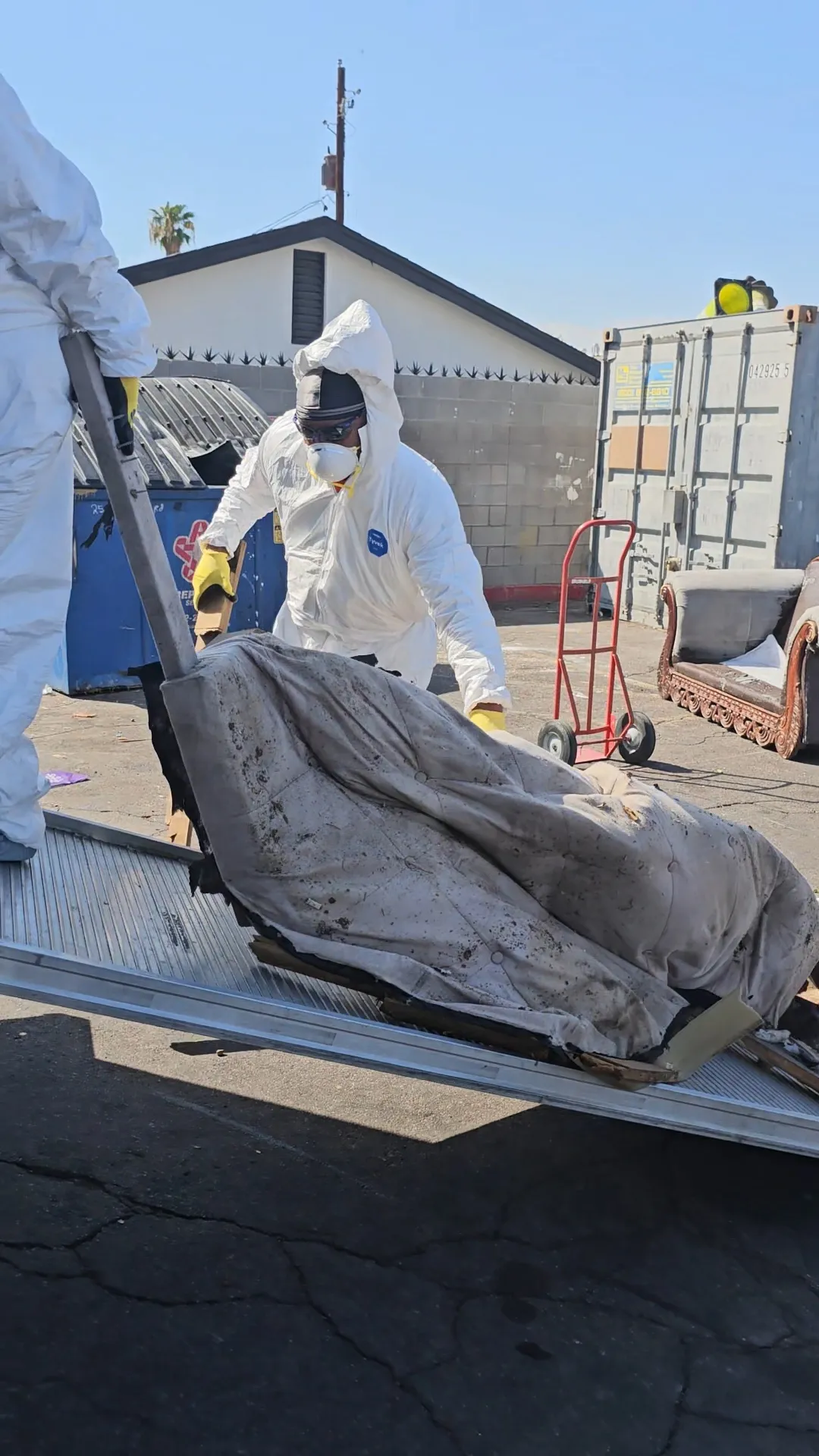
Start by sealing infested items in heavy-duty plastic sheeting. Proper containment prevents escapees from spreading to your home or neighbours. Label sealed items clearly—warnings like “BED BUGS” alert anyone handling them.
For disposal, hire professional junk removal services when possible. They follow local regulations and use safe methods, reducing your risk and stress. Companies like Dry Heat Junk Removal handle infested items correctly.
Replacement Options
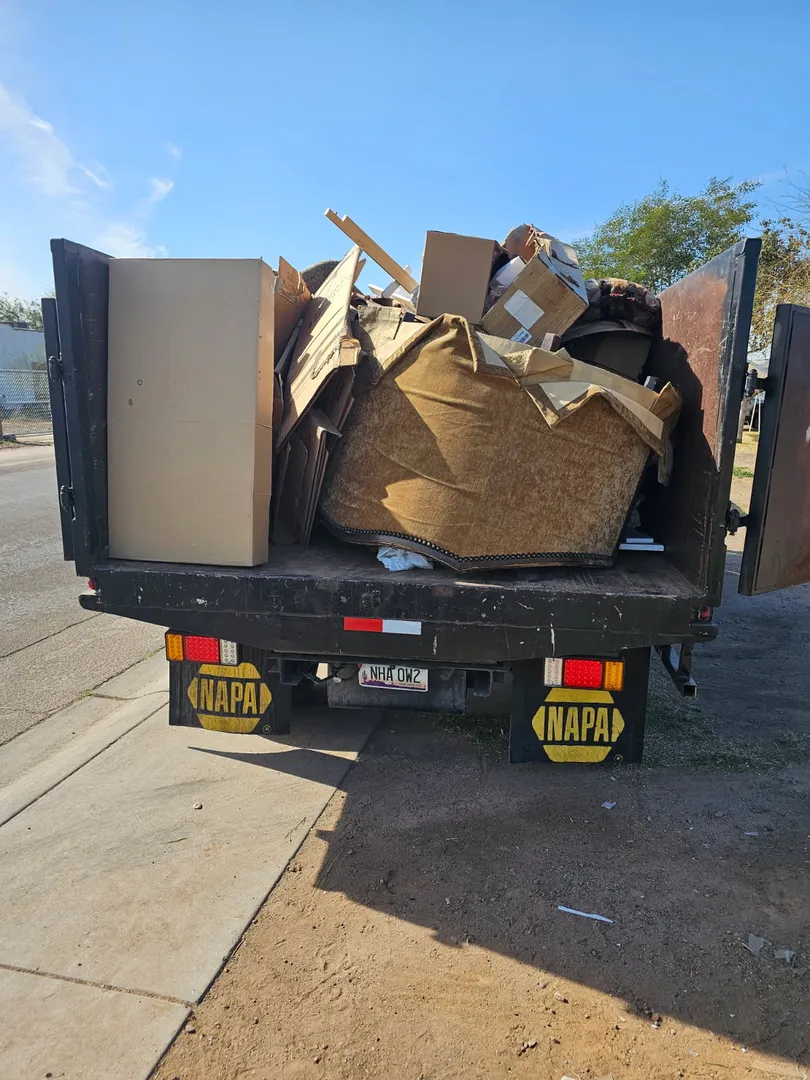
When replacing furniture, choose items designed to resist bed bugs where possible. Some sofas and mattresses have protective covers or designs that deter infestations. If you buy second-hand, inspect it thoroughly before purchase.
Using mattress and box-spring encasements can also help. Encasements trap any remaining bugs and stop them from spreading to new furniture.
Best Practices for a Bed Bug-Free Environment
Preventing reinfestation matters as much as replacing items. Perform regular inspections after travel or visits, and consider a professional pest-control inspection after removal to treat any remaining issues. Knowing the service area for removal services helps plan disposal.
Keep property managers and realtors informed about bed-bug risks when managing or renting properties. Clear communication supports proactive pest management.
How Can You Identify Bed Bug Infestation in Your Furniture?
Early identification is key. Look for live bugs, small dark fecal stains, or blood spots on sheets and nearby furniture. Inspect seams and hidden crevices closely.
Be vigilant: bed bugs hide well and reproduce quickly, so prompt action limits spread.
What Are the Signs of Bed Bug Infested Furniture?
Look for these common signs:
- Live Bugs: Adult bed bugs are visible and look like small, brownish insects.
- Fecal Stains: Tiny dark spots on surfaces where bed bugs hide.
- Shed Skins: Molted shells found near hiding spots.
If you spot any of these signs, act quickly to limit further infestation and damage. Instead of waiting for a quote, you can get an instant bed bug removal estimate and understand your expected removal cost right away.
Can Bed Bugs Survive and Spread Through Mattresses and Upholstery?
Yes. Mattresses and upholstery provide warm, dark hiding places ideal for bed bugs to breed. They can move between furniture items, so address infestations promptly and thoroughly.
What Are Your Options for Removing Bed Bug Infested Furniture?
You can remove infested furniture yourself or hire professionals. Professional residential junk removal is a reliable choice for safe disposal.
Hiring experts simplifies the process and ensures safety protocols are followed, which reduces the chance of spreading bed bugs. DIY removal may save money but carries higher risk if not done correctly.
Should You Use Professional Bed Bug Furniture Removal Services or DIY Methods?
Decide based on infestation size and your comfort handling contaminated items.
Professional services:
- Provide expert handling and lower the risk of spreading infestation.
- Help ensure compliance with local disposal rules.
DIY methods:
- Can cost less but increase the risk of improper disposal.
- Require careful planning and strict safety steps to be effective.
Given the complexity and health risks, professional removal is often the safer choice.
How Does Dry Heat Junk Removal Support Safe Furniture Disposal?
Dry Heat Junk Removal follows an environmentally responsible process. They inspect furniture for infested items, use containment like heavy-duty wrapping, and label items before disposal. These steps protect your home and help prevent spreading infestations. Businesses can also consider commercial junk removal options.
How Do Dumpster Rentals Facilitate Disposal of Bed Bug Infested Furniture?
Dumpster rentals can make disposal easier. Junk removal services help you quote and schedule a dumpster. Ensure all items are fully wrapped and sealed before placing them inside. For details, see dumpster rentals.
What Dumpster Rental Sizes and Periods Are Suitable for Furniture Disposal?
Choose a dumpster size that matches your volume. Small units suit a few items; larger units work for whole-room or house cleanouts.
Recommended sizes:
- 10-yard dumpster: Good for a small room.
- 20-yard dumpster: Works for multiple pieces or larger households.
- 30-yard dumpster: Best for full house cleanouts.
How Does Eco-Friendly Dumpster Rental Ensure Responsible Bed Bug Furniture Disposal?
Eco-friendly dumpster services follow protocols to contain and transport infested items to facilities equipped to handle them. Responsible providers prevent public panic and manage waste according to best practices.
What Are Effective Bed Bug Furniture Treatment and Replacement Solutions?
Two main strategies address infested furniture: treatment and replacement.
- Treatment Solutions: Heat treatment can kill bed bugs by raising temperatures above 120°F for a sustained time.
- Replacement Solutions: Severe infestations may call for replacing furniture to avoid recurrence.
How Does Heat Treatment Work to Eradicate Bed Bugs in Furniture?
Heat treatment uses specialised equipment to raise temperatures in a room or around specific items, killing bed bugs and eggs. It reaches seams and crevices that other methods might miss.
When Is Furniture Replacement Preferred Over Treatment After Bed Bug Infestation?
With heavy infestations, replacement can be more practical than treatment. Bed bugs hide in hard-to-reach places, and replacing items removes lingering concerns that can affect your peace of mind.
How Can You Prevent Bed Bug Reinfestation After Replacing Furniture?
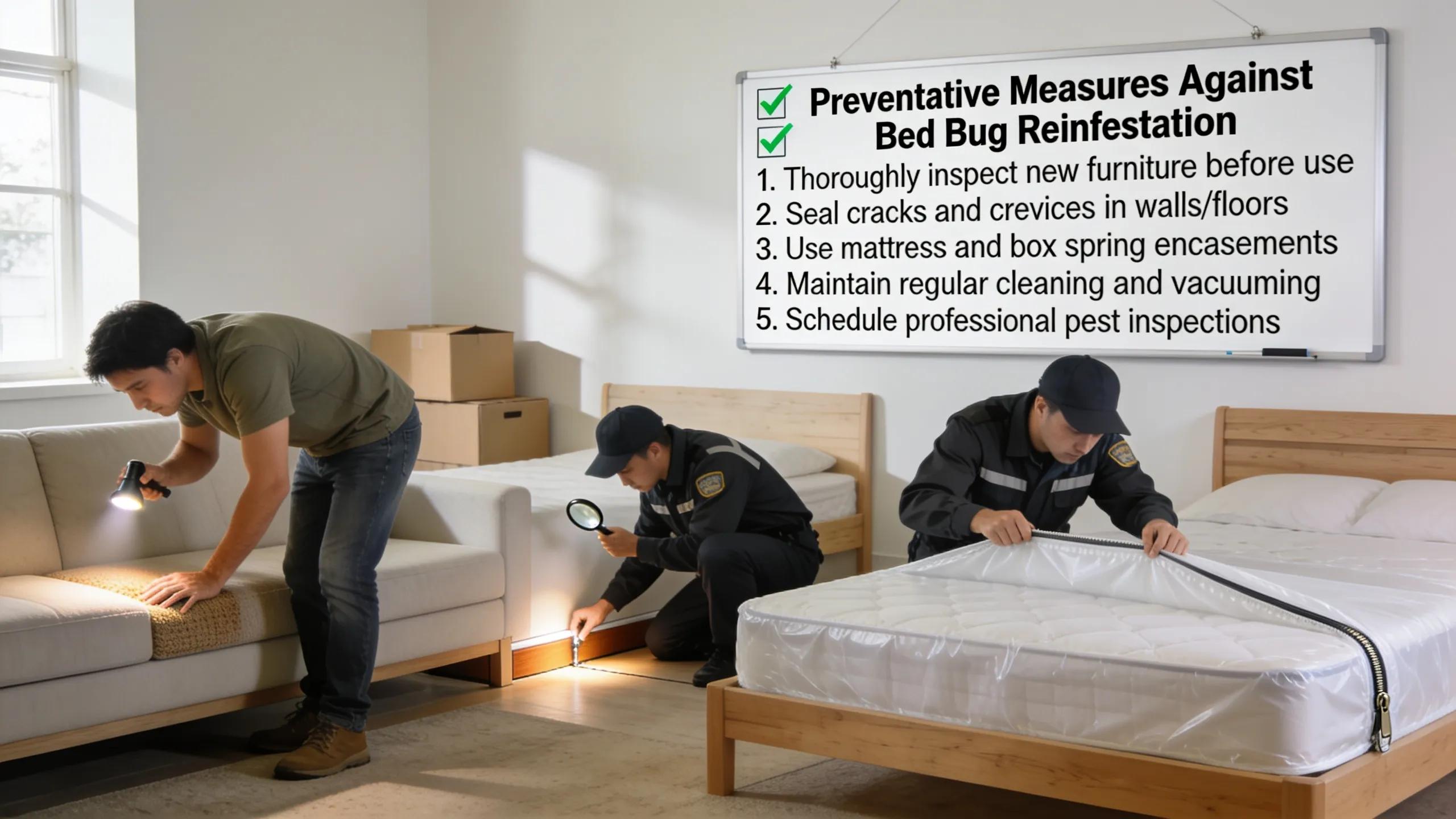
To reduce reinfestation risk, hire pest-control professionals for inspections and preventive treatments. Check new items before bringing them home and keep a regular inspection routine.
For questions about disposal services or the company, visit their about us page.
What Preventative Measures Protect New Furniture from Bed Bug Infestation?
When buying new furniture, follow these steps:
- Use Encasements: Fit bed bug–proof covers on mattresses and box springs.
- Regular Inspections: Check furniture after travel or guests.
- Educate Residents: Teach household members the signs to spot infestations early.
How Do Property Managers and Realtors Manage Bed Bug Risks During Furniture Replacement?
Property managers and realtors handle pest issues discreetly. They use certified haulers to remove furniture without spreading pests and follow protocols to keep removals professional and compliant.
What Common Questions Do Homeowners Have About Bed Bug Furniture Disposal and Replacement?
Homeowners often ask how to identify infested furniture, whether to treat or replace items, and what steps to take after disposal.
Knowing the answers to these common questions helps homeowners deal with bed bugs more confidently and effectively.
How Do You Permanently Get Rid of Bed Bugs in Furniture?
Permanently removing bed bugs requires thorough cleaning, effective treatments, and sometimes expert intervention. A pest-control professional can assess the situation and create a plan that targets all potential breeding sites.
Can You Salvage Furniture After Bed Bug Infestation?
Sometimes furniture can be salvaged with proper treatment, but it depends on infestation severity and the furniture type. Consult an expert to determine whether treatment or replacement is the better option.
Frequently Asked Questions
What precautions should be taken when purchasing second-hand furniture?
Inspect second-hand furniture closely for live bugs, fecal stains, or shed skins. Ask the seller about its history, especially any past pest problems. When possible, have a professional pest inspector check the piece before you buy it. These steps lower the risk of bringing bed bugs home.
How often should I inspect my home for bed bugs?
Inspect your home every few months and after travel or guest stays. Check mattress seams, upholstered furniture, and cracks in floors or walls. Early detection stops a small problem from becoming a large infestation.
Are there specific materials in furniture that are more susceptible to bed bugs?
Soft furnishings—mattresses, upholstery, and fabrics like cotton, linen, and wool—offer seams and crevices that suit bed bugs. Hard surfaces such as leather or metal are less hospitable but can still harbour bugs in small cracks. Stay vigilant across all materials.
Can I effectively treat infested furniture myself?
DIY methods—vacuuming, steam, over-the-counter insecticides—can help but may not fully eradicate severe infestations. Heat treatment and encasements work well but require proper execution. For best results, consult professional pest control.
What are some signs of bed bug infestation besides seeing the bugs themselves?
Look for tiny dark fecal stains, shed skins, blood spots on sheets or mattresses, and a musty odour in heavily infested areas. Spotting these signs early enables faster intervention.
Is it safe to dispose of bed bug-infested furniture with regular trash?
No. Regular trash disposal can spread bed bugs. Seal items in heavy-duty plastic and label them clearly. Follow local disposal rules and consider professional junk removal to ensure safe, compliant handling.
Conclusion
Replacing infested furniture is a key step to reclaiming a bed bug-free home. Professional services help ensure safe disposal and regulatory compliance. Keep up regular inspections and take preventive measures before buying new items to protect your space. Explore available disposal and pest-control services to safeguard your home today.