How to Prepare Your Home Before Bed Bug Furniture Removal: A Simple, Step-by-Step Guide
By AZ TrashMan, Dry Heat Junk Removal & Dumpster Rentals
Getting your home ready for bed bug furniture removal makes treatment faster, safer, and more effective. Bed bugs hide in tiny gaps and reproduce quickly, so the better you prepare, the smoother the removal and the lower the chance of reinfestation. This detailed guide walks you through what to do before movers or pest pros arrive: why preparation matters, a comprehensive checklist of practical steps, enhanced best practices for handling and disposing of infested items, and important considerations to ensure lasting pest-free results.
When you follow these thoroughly researched steps, pest control teams can work more efficiently, and your remaining belongings are better protected. Preparation usually involves homeowners, property managers, and pest control professionals working synergistically. We’ll also cover post-removal cleaning and responsible disposal options, integrating industry best practices and updated recommendations for optimal outcomes.
What Is Bed Bug Treatment Preparation and Why Is It Important?
Bed bug treatment preparation encompasses a strategic set of actions you undertake before pest control arrives to maximize treatment efficacy. Thorough preparation grants exterminators unhindered access to all potential hiding sites, significantly reduces the risk of infestation spread during treatment activities, and safeguards your personal belongings from contamination. In summary: meticulous preparation enhances treatment success rates and alleviates homeowner stress and inconvenience.
An organized, scientifically-informed preparation plan saves valuable time for pest control teams and equips you with confidence that every practical measure has been taken to disrupt the infestation lifecycle effectively. Whether you need to remove a couch, chair, or other furniture, our Bed Bug Furniture Removal Cost Calculator provides a simple way to check your estimated price.
Understanding the Role of Preparation in Bed Bug Furniture Removal
Preparation is the cornerstone of successful furniture removal and eradication efforts. The principal steps, based on expert consensus, include:
- Pre-treatment clearing: Remove clutter and unnecessary items to enable technicians to identify and treat all potential harborages, including hidden cracks and crevices.
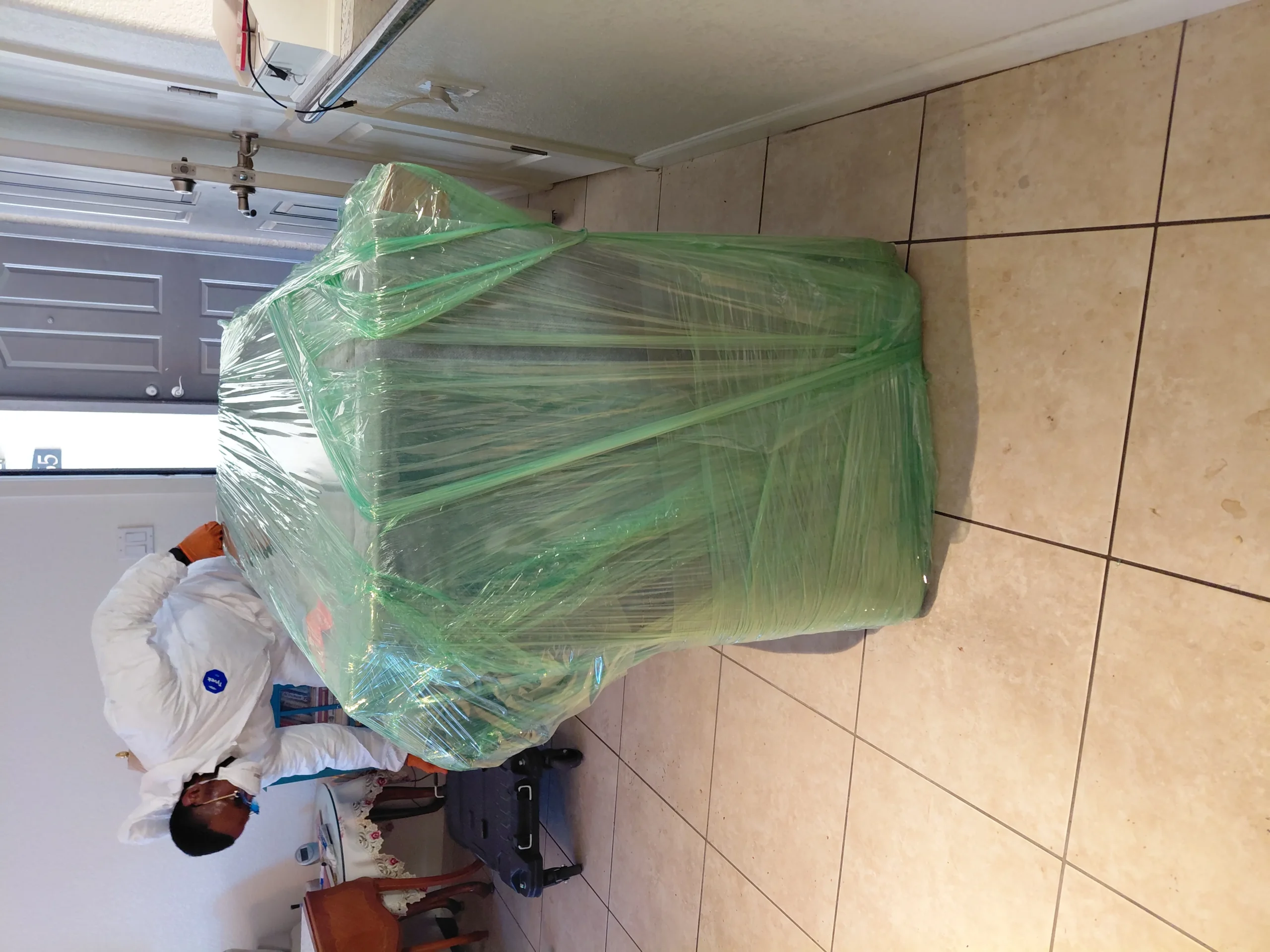
- Sealing affected furniture: Encapsulate infested pieces in durable, heavy plastic with secure taping to prevent bugs from escaping during transit and treatment.
- Coordinated removal: Collaborate closely with experienced professionals to ensure infested items are handled with protocols that minimize cross-contamination between rooms and vehicles.
Addressing these critical areas significantly boosts the likelihood of comprehensive elimination. Below, we detail roles, responsibilities, and technical steps recommended by leading pest management authorities.
Who Should Prepare: Homeowners, Property Managers, and Pest Control Teams
Preparing for effective bed bug treatment requires collaborative effort among key stakeholders:
- Homeowners: Systematically declutter, relocate personal belongings away from treatment zones, and secure items susceptible to infestation or contamination.
- Property managers: Facilitate communication channels among tenants, coordinate timing and access, and disseminate detailed preparation instructions aligned with pest control protocols.
- Pest control teams: Provide clear, comprehensive checklists with step-by-step guidance, including educational materials on pest biology and behavior to improve compliance and preparation quality.
When all parties participate proactively and in alignment, treatment progresses efficiently and with minimal unexpected complications.
What Are the Essential Steps in a Bed Bug Extermination Checklist?
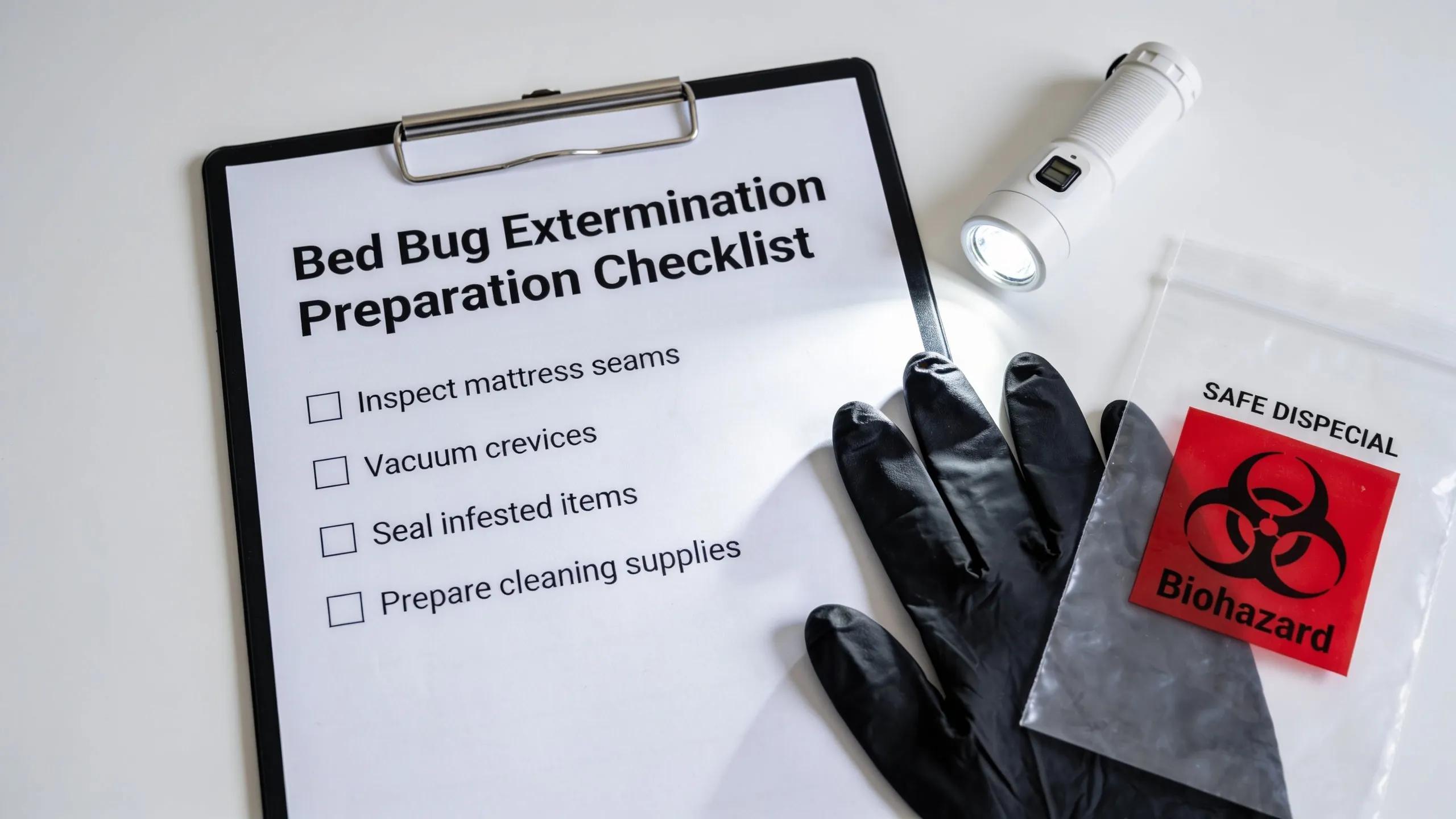
A well-structured checklist is key to maintaining preparation rigor and thoroughness. Core items to include are:
- Inspect furniture closely: Conduct meticulous examination of seams, creases, zippers, joints, and beneath upholstery for live bugs, embryonic casings, shed skins, and fecal spots. Use magnifying tools and flashlights if necessary.
- Handle items safely: Wear protective gloves and clothing; avoid agitating infested fabrics or shaking items to minimize spreading insects. Employ gentle handling techniques consistent with integrated pest management principles.
- Label and set aside items for removal: Clearly identify infested furniture by labeling and segregate them to ensure they undergo proper disposal or treatment without mixing with clean possessions.
How to Inspect and Identify Bed Bug Infested Furniture
Early detection of infested furniture is vital to target remediation accurately and prevent widespread infestation. Key indicators include:
- Common signs: Detection of tiny dark spots (fecal matter), molted skins, blood spots, or live bed bugs usually along the seams and folds of mattresses, sofa cushions, and crevices.
- Typical targets: Mattresses, box springs, upholstered chairs, sofas, bed frames, headboards, and nightstands are frequent infestation sites due to their construction and close contact with humans.
Maintaining minimal clutter and performing routine inspections dramatically lowers the risk of infestation escalation.
Simple prevention tips: Reduce clutter and seal cracks
Consistently inspect furniture and seal all cracks, crevices, and gaps where bed bugs can hide. When traveling, examine beds meticulously before settling in, and keep luggage elevated and away from sleeping surfaces to prevent transporting pests.
How to Safely Prepare Furniture for Removal and Treatment
Proper preparations ensure furniture removal does not exacerbate infestation:
- Wrapping: Employ heavy-duty plastic wrap or adequately thick contractor-grade bags to completely encapsulate infested items, sealing all seams with strong adhesive tapes to contain pests securely.
- Transport tips: During transport, store wrapped items separately and do not place them directly on vehicle floors or alongside uncontaminated belongings. Use dedicated vehicles or compartmentalized areas if possible.
How Should You Prepare Your Home for Fumigation and Bed Bug Removal?
For fumigation or other advanced treatments, begin by accurately assessing the extent of infestation and consulting thoroughly with your pest control provider. Follow their customized instructions, which may include removing items from closets, covering or disconnecting electronics, removing pets and plants, and temporarily vacating the residence.
Clear zones around beds and furniture comprehensively, remove belongings from underbeds and closets, and seal windows and doors per professional guidance. Maintaining open communication with your pest control experts ensures adherence to all protocol nuances, minimizing treatment disruptions or delays.
Which Rooms and Items Need Special Attention During Prep?
Focus on areas and items favored by bed bugs including:
- Bedrooms and living rooms: High-traffic human resting places are primary hotspots; prioritize thorough cleaning and inspection.
- Upholstered furniture: Sofas, armchairs, reclining chairs, padded headboards, and cushions warrant detailed examination and sealing.
- Luggage and bags: Suitcases and travel bags serve as common vectors; inspect, isolate, and treat these items immediately after trips.
Targeted scrutiny of these zones and possessions substantially reduces residual pest presence following treatment.
What Are Best Practices to Reduce Cross-Contamination of Infestation?
To minimize bed bug dispersal during furniture removal, adhere to these proven safeguards:
- Airtight containment: Store all small or loose items in sealed plastic bins or thick, zippered bags to prevent bug escape.
- Quick removal: Schedule timely pickup or disposal of infested materials to limit their potential as ongoing infestation sources.
- Use pros: Engage professional junk removal companies with documented expertise in safely handling and transporting infested items in compliance with local health and waste regulations.
Following these stringent steps enhances treatment success and lowers reinfestation risk. For commercial junk pickup compliance and expert services, refer to commercial junk removal.
What Are the Recommended Furniture Disposal Options After Bed Bug Treatment?
Proper disposal of infested furniture is essential to prevent new infestation cycles. Recommended disposal methods include:
- Hire pros: Utilize junk removal and disposal services experienced in dealing with contaminated items to guarantee safe, legal, and environmentally responsible disposal.
- Avoid DIY dumping: Improper disposal by discarding furniture in unauthorized locations risks spreading bed bugs; professional services adhere to strict containment and documentation protocols—see junk removal services.
- Label items: Clearly tag infested pieces with warning labels so all handlers are aware of contamination and treat items accordingly.
Keep in mind that infested furniture left untreated or disposed of incorrectly is a frequent cause of reinfestation within communities.
Preventing infestations from used items
Used furniture, bedding, and clothing are common entry points for bed bugs. Prior to introducing secondhand items into your home, carefully inspect and treat them using approved methods to drastically reduce infestation risks.
How to Use Dumpster Rentals for Safe Disposal of Infested Items
Dumpster rental services can facilitate bulk disposal effectively when managed prudently:
- Pick the right service: Select a rental provider knowledgeable about local waste disposal and pest control regulations, with experience handling contaminated items.
- Best practices: Place securely wrapped furniture into dumpsters designated for infested materials only, keeping disposal receipts or required documentation for compliance verification as mandated by local ordinances.
What Are Environmentally Safe Methods for Bed Bug Furniture Removal?
If minimizing environmental impact is a priority, explore disposal options that comply with jurisdictional standards while reducing landfill waste:
- Follow local regulations: Investigate recycling or material recovery programs that may accept treated or remediated furniture components, ensuring adherence to specific conditions before recycling infested materials.
- Choose eco-minded services: Seek service providers committed to sustainable disposal practices, integrating pest-safe processing techniques that mitigate chemical and waste footprint.
What Cleaning and Sanitation Steps Should Follow Bed Bug Furniture Removal?
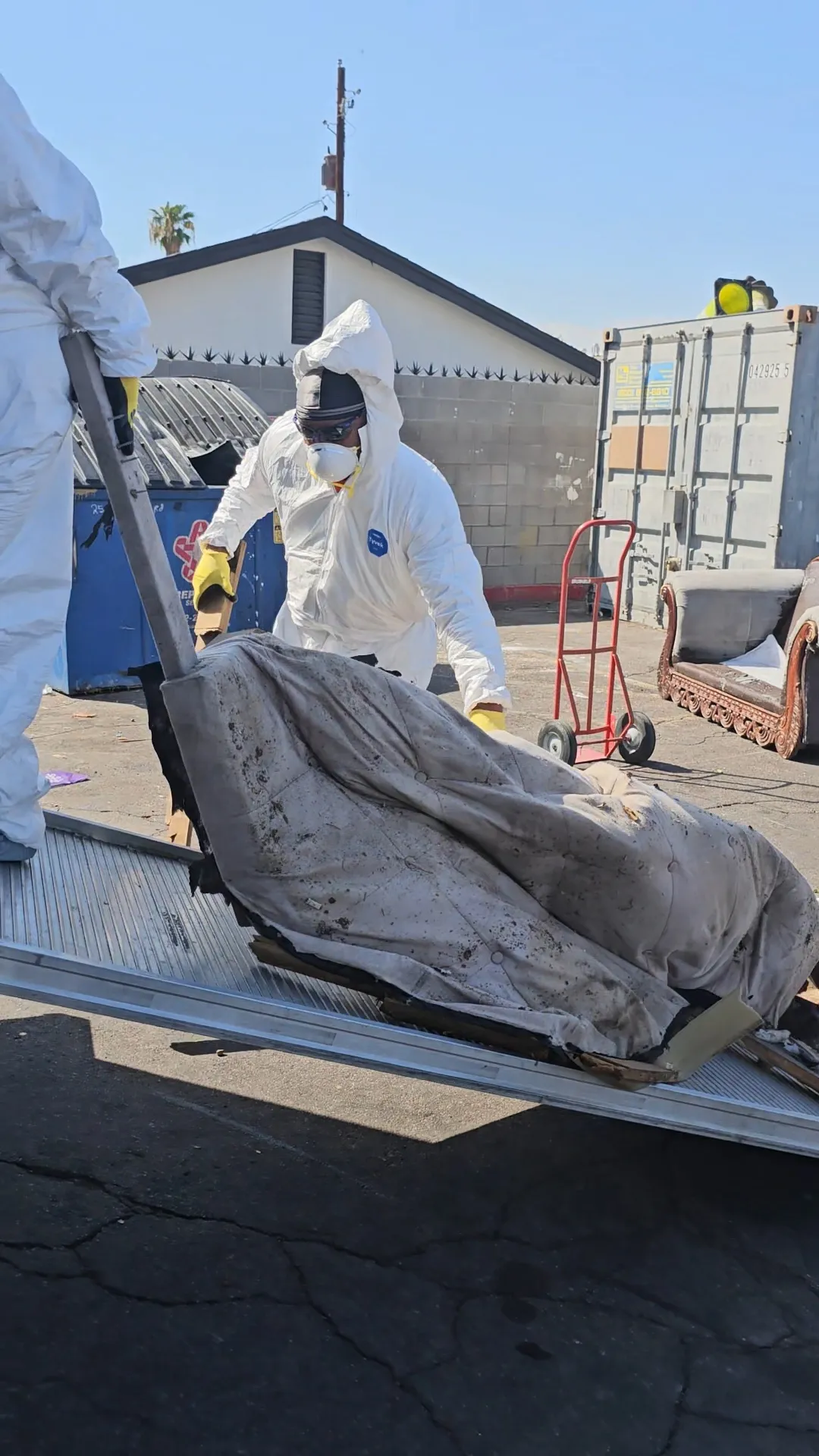
After successfully removing infested furniture, implementing a rigorous cleaning regimen is critical to ensure complete pest elimination. Essential cleaning steps consist of:
- Thorough vacuuming: Carefully vacuum baseboards, carpets, upholstered surfaces, mattress seams, bed frames, and crevices to extract bed bug eggs, nymphs, and adults.
- Appropriate cleaning products: Use hot, soapy water combined with approved bed bug–specific residual sprays or insecticides recommended by certified professionals, particularly targeting treated areas without compromising household safety.
Immediately dispose of vacuum bags in sealed plastic bags or empty canisters directly into tightly sealed containers to prevent re-infestation through debris.
Vacuuming and linen care
Vacuum upholstered furniture and fabric surfaces systematically; launder bedding, curtains, and removable fabric covers on the highest compatible heat cycle regularly. Complement with steam treatments for deep sanitation of hard-to-reach cracks and seams.
How to Perform Effective Post-Removal Cleaning to Prevent Reinfestation
Robust and systematic post-removal cleaning significantly curtails the potential for bed bug reappearance. Recommended procedural steps include:
- Use proven products: Opt for EPA-registered insecticides or integrated pest management solutions endorsed by your pest control team to maintain effectiveness and safety.
- Combine methods: Sequential vacuuming followed by steam or heat applications penetrates deeply, reaching concealed eggs and insects, resulting in superior control compared to single-method approaches.
Which Cleaning Products and Techniques Are Best for Bed Bug Residue?
Achieving reliable results depends on employing scientifically validated products and methods:
- Effective products: Select EPA-registered sprays with documented efficacy against bed bugs or proven physical agents like diatomaceous earth applied safely and evenly.
- Thorough approach: Perform multiple cleaning cycles including vacuuming and heat treatment to address all life stages and hidden refuges, ensuring maximum eradication effort.
Which Common Questions Should You Ask About Preparing for Bed Bug Furniture Removal?
Here are answers to frequently asked questions that help you plan strategically and arrive prepared on treatment day.
How Early Should You Start Preparation Before Treatment Day?
Initiate preparation activities at least one week in advance of the scheduled treatment to allow sufficient time for comprehensive decluttering, securely bagging or sealing belongings, and organizing items earmarked for removal or specialized handling.
What Are Signs Preparation Is Done Correctly?
You can determine readiness if you have thoroughly:
- Cleared all clutter from treatment zones, enhancing access.
- Sealed or secured all furniture confirmed or suspected as infested, using appropriate materials and techniques.
- Ensured all treatment areas and pathways are accessible and free of obstructions for pest control professionals to operate effectively.
Completion of these steps is correlated with smoother, more efficacious treatment sessions and significantly reduced risk of reinfestation.