How to Effectively Remove Bed Bugs From Furniture: Proven Treatment and Safe Disposal Methods
By AZ TrashMan, Dry Heat Junk Removal & Dumpster Rentals
Bed bugs can infest homes and furniture, causing discomfort and stress. This guide lays out clear steps for identifying infestations, preparing for treatment, applying proven removal methods, and disposing of affected items safely. You’ll learn practical actions for containment, treatment, disposal, and prevention to restore a comfortable living space.
Pre-Treatment Preparation
Good preparation makes treatment more effective. Start with a careful inspection to find all affected furniture and judge how widespread the problem is. Remove heavily infested items to limit spread, clear clutter, and ensure the treatment area has good ventilation before you begin. Before scheduling your pickup, use our Bed Bug Removal Cost Calculator to get a fast estimate based on the items you need to dispose of.
Sealing and Containment
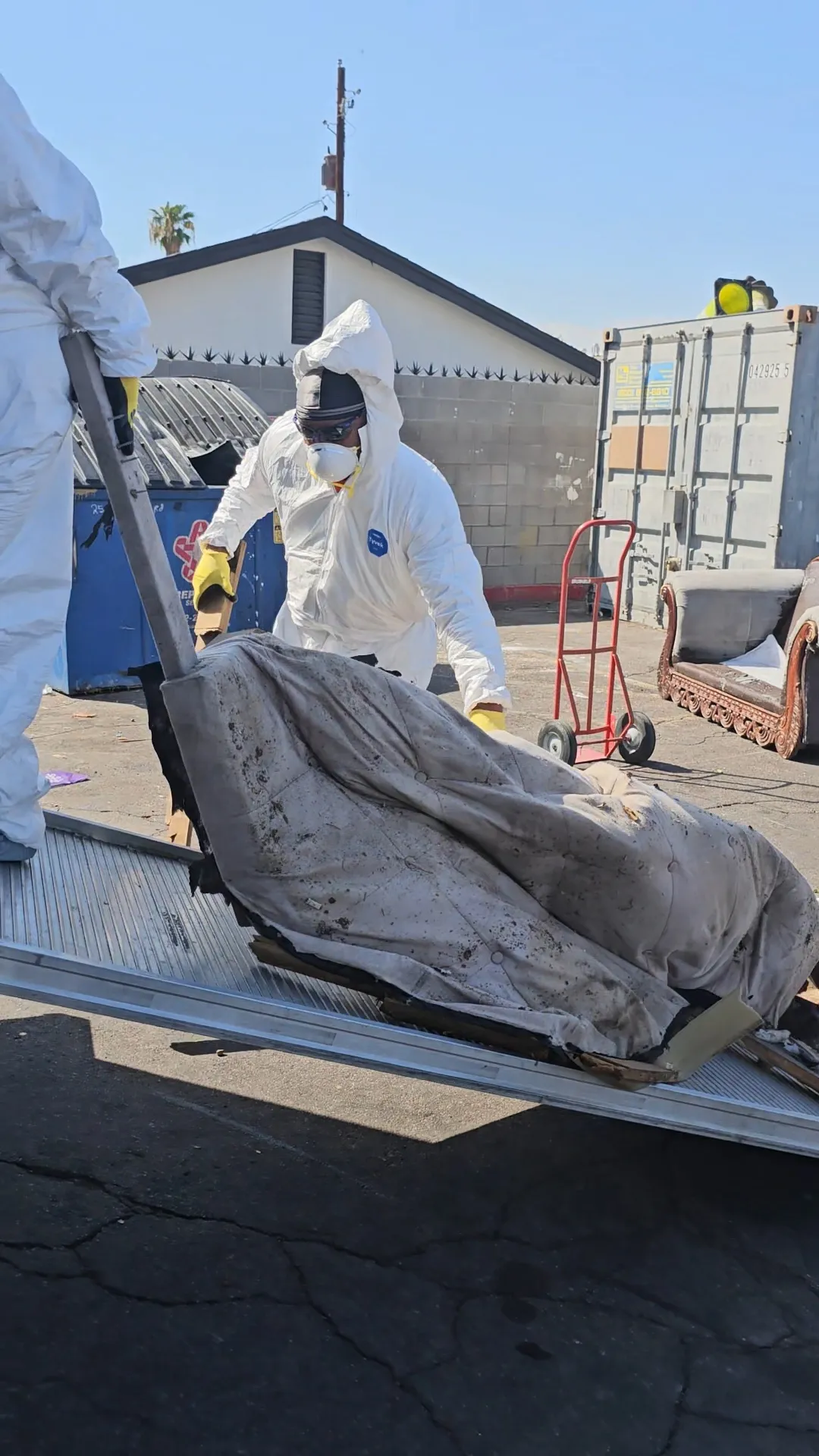
Containment stops bed bugs from escaping during removal. Wrap infested furniture in heavy-duty plastic and seal all edges tightly. Label items clearly as infested so anyone handling them knows the risk and can take appropriate precautions.
Safe Removal
Hiring professionals is the safest option for removing infested furniture. Trained teams can encapsulate items on-site and reduce exposure during transport to disposal locations. Avoid moving infested pieces yourself when possible to lower the chance of spreading the infestation.
How Can Professional Junk Removal Services Help with Bed Bug Infested Furniture?
Professional junk removal services streamline the process. They perform inspections to plan removal, use secure sealing methods for transport, and follow local disposal rules to avoid legal or contamination issues. For full-service help, consider professional junk removal services.
Disposal
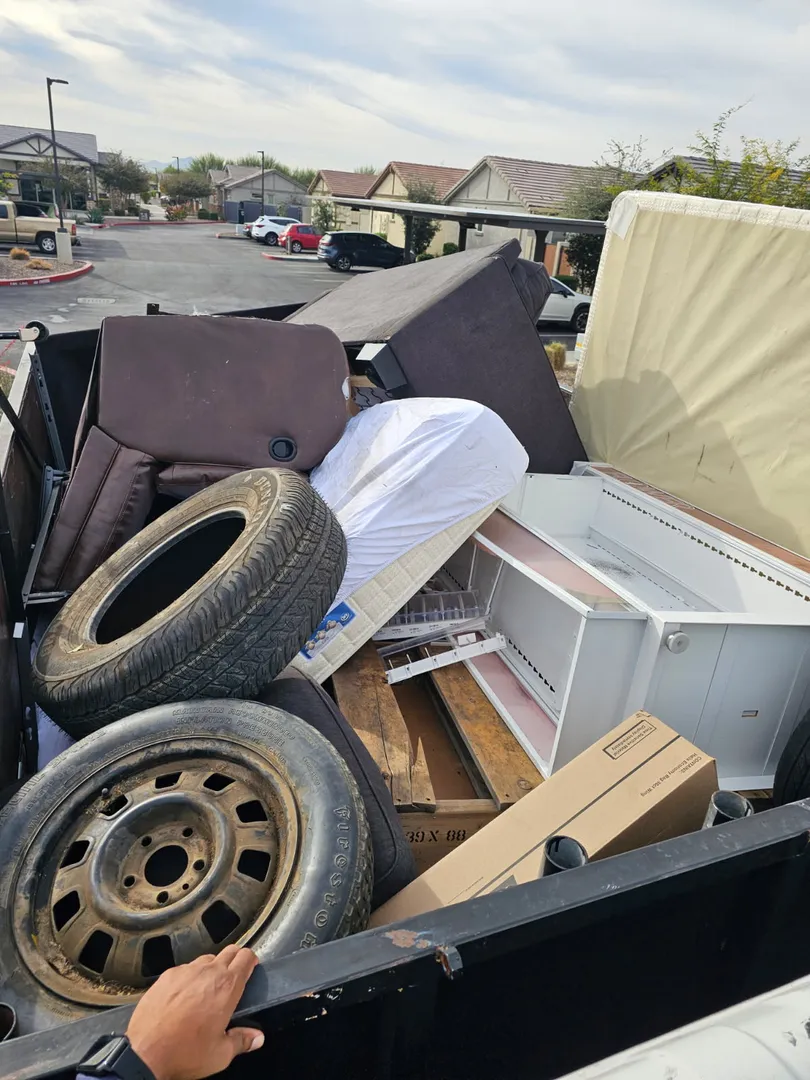
Dispose of infested furniture with care. Take items to authorised facilities rather than community dumpsters to prevent wider contamination. Keep records of the disposal to support any future pest-control steps for your home.
What Services Does Dry Heat Junk Removal Offer for Infested Furniture?
Dry Heat Junk Removal offers fast removal and flexible scheduling for urgent situations. They use eco-friendly disposal methods while handling infested items safely. Learn more about their services at Dry Heat Junk Removal.
Post-Treatment
After treatment, work with professional junk removal if needed to remove any remaining infested items. Follow-up inspections confirm all infestation paths have been addressed and help prevent a recurrence.
Prevention
Prevent future infestations with regular inspections and resident education on recognising signs of bed bugs. Use mattress and box-spring encasements, perform deep cleaning periodically, and check secondhand items before bringing them into the home.
What Are the Signs Your Furniture Is Infested with Bed Bugs?
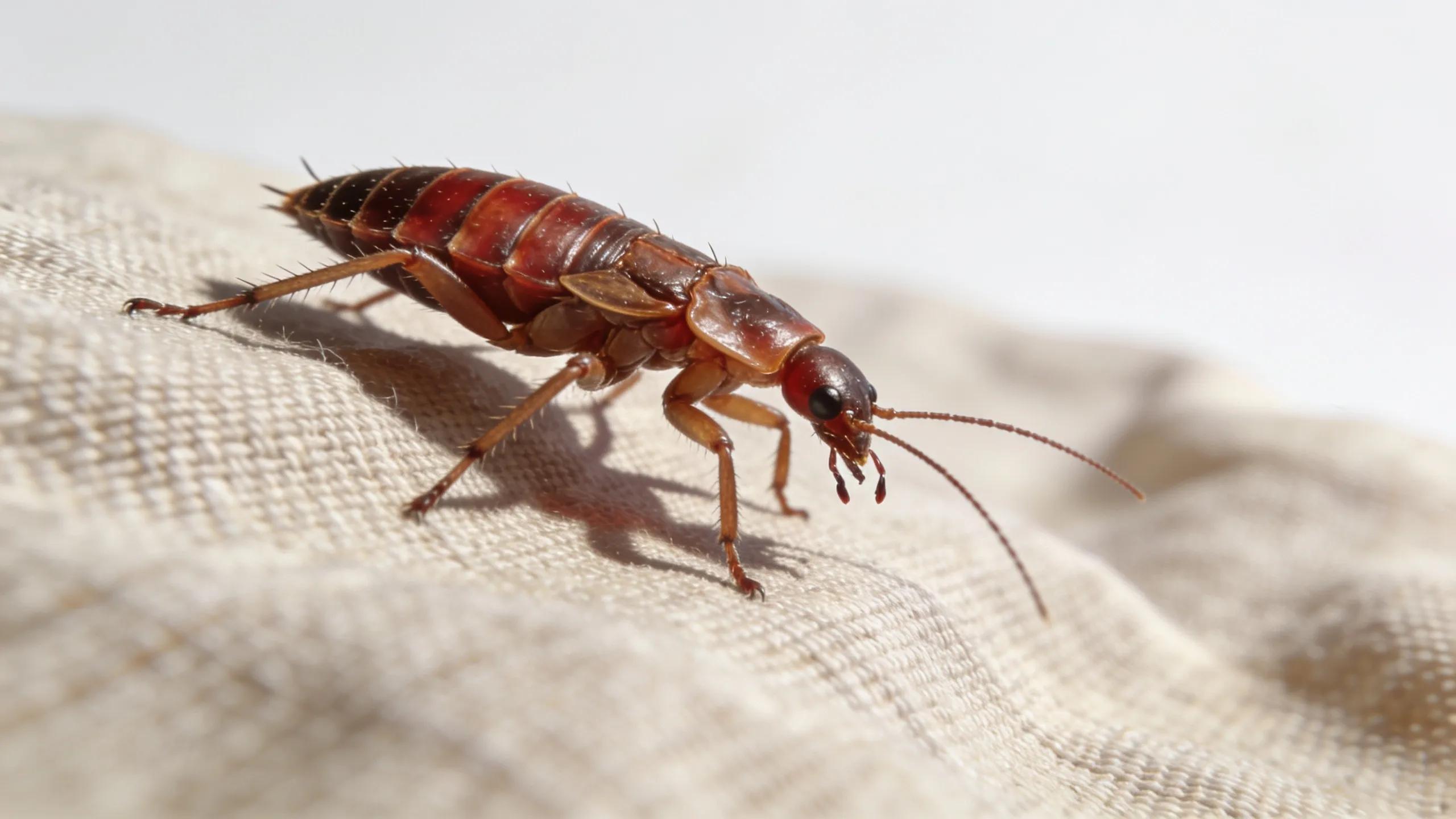
Watch for small reddish-brown bugs, tiny dark droppings on fabric, bites on skin, visible insects in seams, or tiny eggs in crevices. Early detection makes removal simpler and reduces spread.
How to Identify Bed Bug Bites and Droppings on Furniture
Bed bug bites usually show as small, itchy red welts often in clusters. Droppings look like tiny dark spots and are commonly found along seams or in hidden crevices of furniture.
Which Furniture Items Are Most Vulnerable to Bed Bug Infestation?
Certain items attract bed bugs more than others. Mattresses and box springs, upholstered sofas and chairs, and wooden furniture near sleeping areas are all high-risk because they offer hiding spots and proximity to hosts.
What Are the Best Treatment Methods to Kill Bed Bugs in Furniture?
Several effective treatments exist. Heat treatment, chemical applications, and encapsulation are common choices; each has pros and cons depending on the situation and safety considerations.
How Does Heat Treatment Eliminate Bed Bugs Effectively?
Heat treatment works by exposing bed bugs to at least 118°F (48°C) for a sustained time, killing eggs, nymphs, and adults. It often reduces the need for chemical use and is a strong option when applied correctly.
What Are the Chemical and Non-Chemical Bed Bug Extermination Techniques?
Chemical sprays can be effective but must be applied safely and correctly. Non-chemical options include heat treatments and encapsulation, which avoid pesticides and can be effective when executed properly.
How Do You Prepare Furniture for Bed Bug Removal or Disposal?
Preparing furniture prevents cross-contamination. Common steps are wrapping and sealing items, handling them carefully to avoid spreading bugs, and keeping infested pieces separate from clean items.
What Safety Precautions Should You Take Before Removing Infested Furniture?
Take safety measures like wearing personal protective equipment (gloves, masks), following proper handling methods to minimise exposure, and following local disposal rules for infested items.
How to Clean and Contain Furniture to Prevent Bed Bug Spread
Contain furniture right after identification by wrapping and sealing it. Label items clearly so others know the risk, and arrange for prompt pickup or removal to keep the infestation contained.
Why Choose Professional Junk Removal to Prevent Bed Bug Reinfestation?
Professional junk removal reduces reinfestation risk with fast response, discreet handling, and strict cross-contamination controls. They document the process and manage disposals to protect your home. For reliable help, consider professional junk removal.
What Dumpster Rental Options Are Available for Safe Bed Bug Furniture Disposal?
Dumpster rentals come in various sizes to match different clean-up needs. Options and booking procedures depend on local rules, so choose a service that complies with health and disposal regulations. See dumpster rental options for details.
How to Book Dumpster Rentals for Bed Bug Infested Items
Booking usually involves contacting a reputable rental service, getting a quote based on size and needs, and preparing items for prompt pickup following the provider’s instructions.
Common Questions: How to Clean, Treat, and Dispose of Bed Bug Infested Furniture?
People want clear answers on cleaning, treatment, and safe disposal of infested furniture. Knowing the proper steps helps you eliminate bed bugs and protect your home.
Can You Throw Away Furniture with Bed Bugs Safely?
You can, but you must contain and label items before disposal so they don’t threaten others. Proper containment prevents escape, and clear labelling alerts handlers and waste facilities to the risk. For help in your service area, professional services are advised.
Does Heat Treatment Work on Bed Bugs in Furniture?
Yes. Heat treatment is widely accepted as highly effective when the right temperatures are maintained long enough to kill every life stage. For more on professional options, see About Us.
Frequently Asked Questions
What Should I Do if I Suspect Bed Bugs Are in My Furniture?
If you suspect bed bugs, inspect furniture for bugs, dark spots, or bites. Remove clutter, seal infested items, and contact pest-control professionals to confirm and start treatment quickly.
How Long Does It Take to Remove Bed Bugs from Furniture?
Removal time varies. DIY methods can take days or weeks and may need repeats. Professional treatments often clear infestations in hours to a few days, depending on severity and method used.
Can Bed Bugs Live in Other Areas Besides Furniture?
Yes. Bed bugs hide in bedding, carpets, wall cracks, luggage, and clothing. They can spread to nearby items, so inspect all areas regularly to catch infestations early.
What Happens if I Don’t Remove Bed Bugs Effectively?
Untreated bed bugs reproduce quickly and the infestation will grow, causing more bites, stress, and higher treatment costs. Timely, effective action reduces long-term impact.
Are There Home Remedies for Bed Bug Treatment?
Home remedies like essential oils or vacuuming may help short-term but rarely fully eradicate an infestation. For serious problems, a pest-control professional offers more reliable results.
How Can I Prevent Future Bed Bug Infestations?
Prevent infestations by inspecting furniture and bedding after travel or buying used items, using protective encasements on mattresses and box springs, keeping your home clean, and teaching household members to spot signs early.
Conclusion
Removing bed bugs from furniture restores comfort and reduces future risk. Use proven treatments, follow containment and disposal best practices, and bring in professionals when needed. Start the process by exploring reputable service options to get your home back to normal.