Eco-Friendly Bed Bug Furniture Disposal Methods: Safe and Green Removal Solutions
By AZ TrashMan, Dry Heat Junk Removal & Dumpster Rentals
Disposing of bed bug–infested furniture can feel overwhelming, especially when health and environmental risks are on the line. This guide explains safe, eco-friendly disposal options so homeowners and businesses can act confidently. You’ll learn about the dangers of improper disposal, practical green methods, and how professional junk removal fits into the process. Use these steps to protect people and reduce your environmental impact.
What Are the Hazards of Disposing Bed Bug Infested Furniture?
Throwing out infested furniture without precautions increases health and environmental hazards. Bed bugs can hitch rides on discarded items and start new infestations in other homes or public spaces. Materials like treated wood and synthetic fabrics can also add ecological strain when sent to landfills. Knowing these risks shows why careful disposal matters. Get a better idea of your disposal expenses by using our Bed Bug Disposal Cost Calculator before contacting our team.
How Do Bed Bugs Spread Through Improper Furniture Removal?
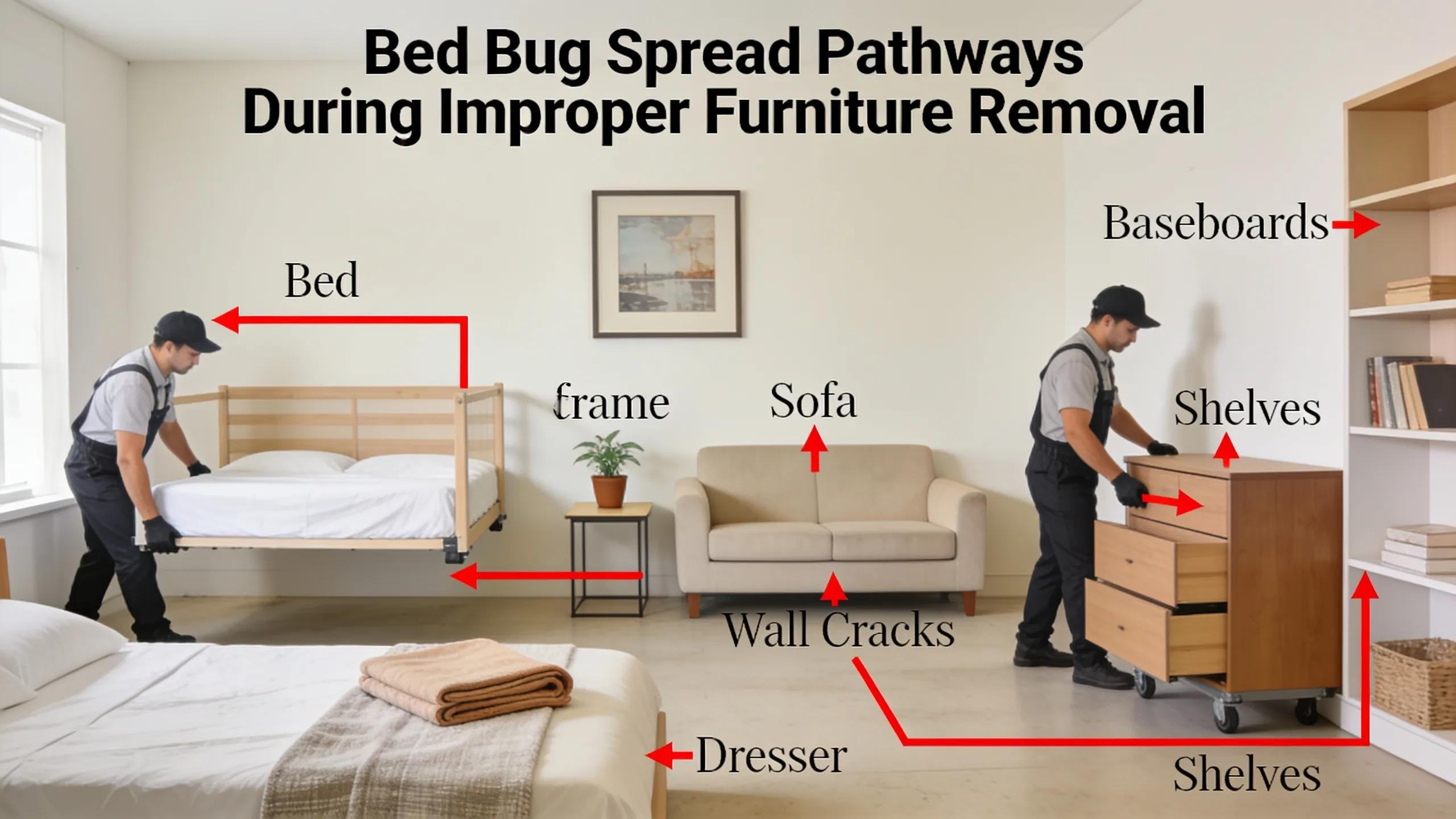
When infested items are moved without safeguards, bed bugs easily travel to nearby units, hotels, or shared areas. Close living quarters make spread more likely. That rising public health risk is why safe disposal methods are essential.
Why Is Safe Disposal Crucial for Homeowners and Businesses?
Safe disposal protects public health and reduces legal risk for property owners. Improper handling can trigger widespread infestations and potential liability. Waste management rules may also require specific disposal methods, so following guidelines helps you avoid fines and keep communities healthy.
Which Eco-Friendly Methods Safely Dispose of Bed Bug Furniture?
There are practical eco-friendly options for disposing of infested furniture: contain and seal items, use professional removal services, or apply post-treatment like heat. For help, professional junk removal services provide a reliable, environmentally conscious option—see professional junk removal services.
The table below summarises each method and its benefits so you can compare options quickly.
Using these eco-friendly practices reduces public health risks and limits environmental harm when disposing of infested furniture.
How Does Heat Treatment Ensure Pest-Free Furniture Disposal?
Heat treatment exposes furniture to temperatures high enough to kill bed bugs at every life stage. It works because pests are eliminated before items leave the premises. Generally, temperatures should exceed 120°F for at least one hour to ensure complete eradication. This method avoids harsh chemicals, making it safer for people and the environment.
What Are the Benefits of Sealing Infested Items for Removal?
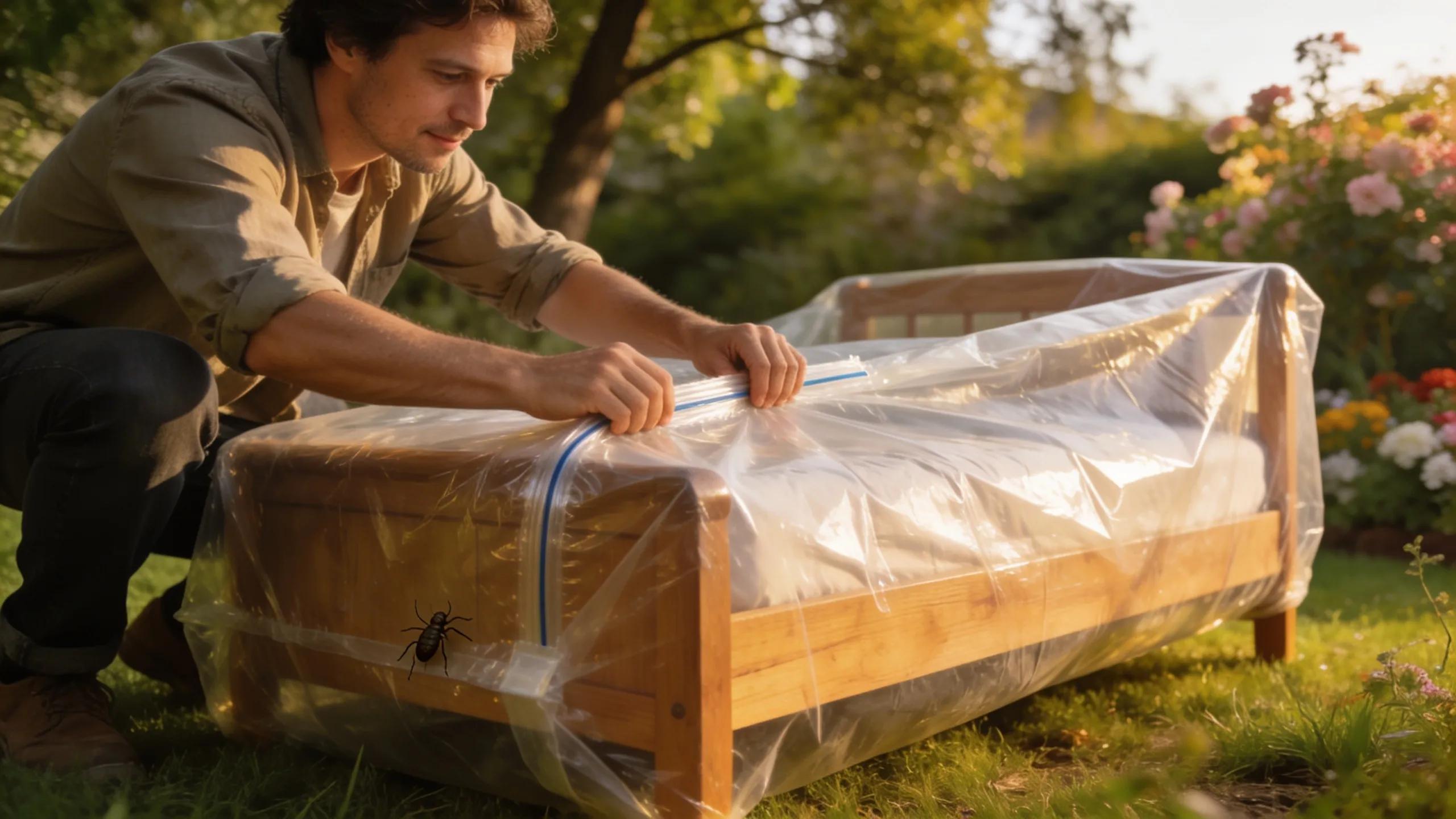
Sealing items in airtight bags or containers offers clear benefits. It lowers the chance of bed bugs escaping during transport, makes handling safer and cleaner, and protects waste workers and the environment from exposure. Sealing is a simple but vital step in safe disposal.
How Do Junk Removal Services Facilitate Green Bed Bug Furniture Disposal?
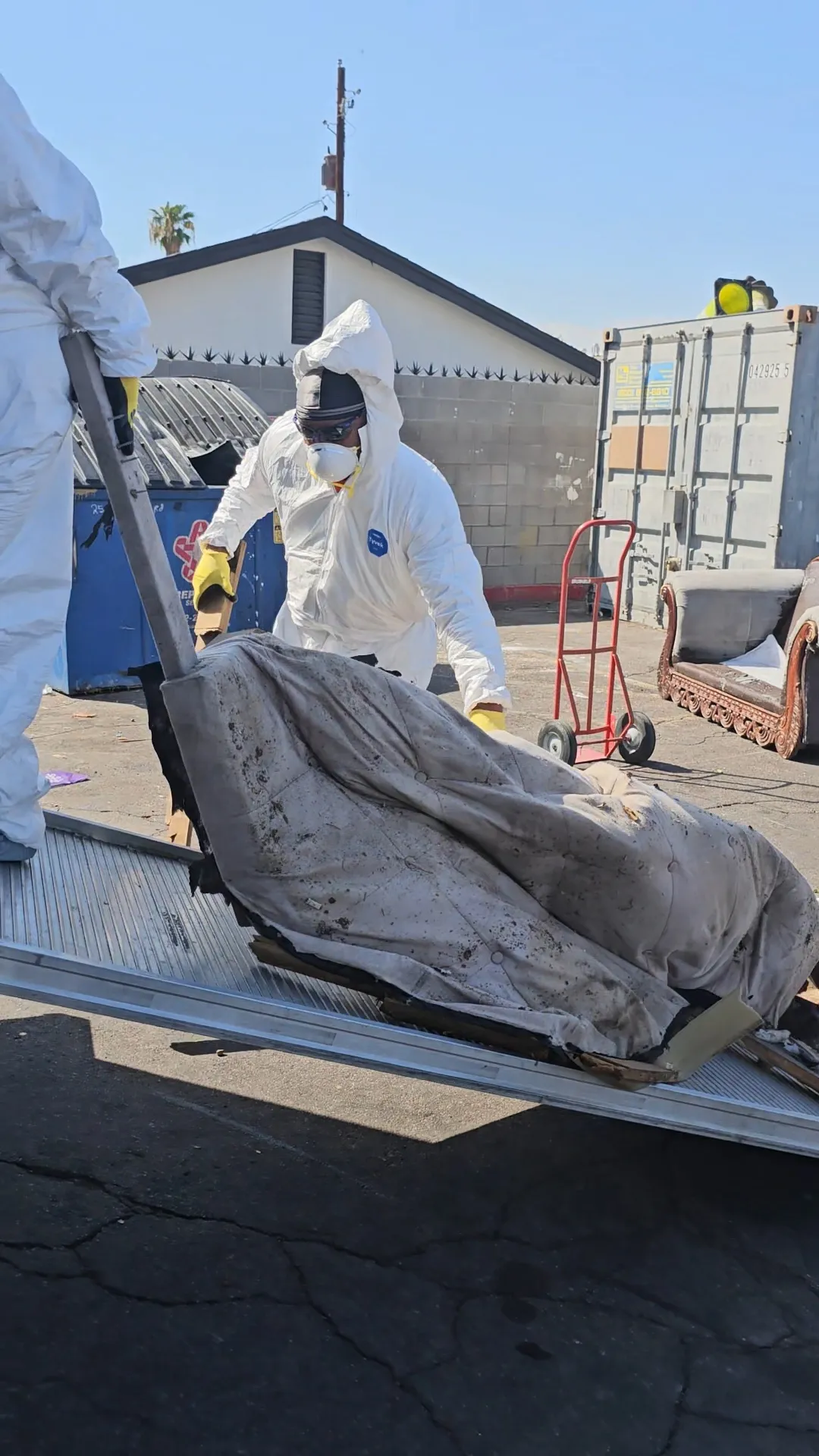
Junk removal services offer structured, eco-conscious disposal for infested furniture. Homeowners and businesses can rely on trained professionals for a complete approach, as shown by providers in the service area.
- Inspection and Planning: Professionals assess the situation to devise a safe disposal strategy.
- Containment Techniques: They employ methods to seal and transport infested items securely.
- Documentation of Disposal: Companies keep records to ensure compliance with local waste management regulations.
Working with experienced services streamlines removal and keeps environmental safety front of mind.
What Eco-Friendly Protocols Does Junk Removal Use?
Junk removal teams follow specific eco-friendly protocols when handling infested furniture:
- Sealing and Containment: All items are sealed securely to prevent pest escape.
- Dedicated Transport Methods: Enclosed vehicles are used to transport waste safely.
- Responsible Disposal Practices: Eco-friendly disposal methods are followed, adhering to local regulations.
These measures show a clear commitment to safety and sustainability in waste handling.
How to Schedule Safe Bed Bug Furniture Removal with Professional Help?
Booking professional removal is straightforward. The general services offered by companies like dryheatjunk.com cover most needs and can be arranged quickly.
- Contacting the Service: Reach out to professionals via phone to request their services.
- Preparing the Area for Pickup: Ensure that the area around the infested items is clear for easy access.
- Scheduling Considerations: Discuss availability to arrange a convenient time for the removal.
Following these steps helps ensure a smooth, low-disruption removal process.
Which Dumpster Rental Options Are Best for Infested Furniture Disposal?
If you choose to manage disposal yourself, picking the right dumpster is key. Consider size, local rules about infested materials, and features that limit pest spread during transport.
- Types of Dumpster Sizes: Choose a size that accommodates the quantity of furniture needing disposal.
- Usage Recommendations: Confirm regulations regarding infested materials in your locality.
- Environmental Factors: Select dumpsters equipped with features to mitigate pest spread during transport. For detailed information on rental options, consult resources on dumpster rentals.
What Dumpster Sizes Suit Bed Bug Furniture and Mattress Disposal?
Common dumpster sizes for infested furniture include 10-, 20-, and 30-yard options. Match the size to the amount of furniture to keep disposal efficient and compliant.
- 10-yard dumpster: Suitable for small amounts of large furniture.
- 20-yard dumpster: Can handle multiple pieces and larger volumes.
- 30-yard dumpster: Ideal for extensive cleanouts, such as in multi-unit dwellings.
Choosing the right size helps avoid multiple trips and reduces the chance of improper handling.
How Do Eco-Friendly Dumpsters Prevent Pest Spread?
Eco-friendly dumpsters use design and operational practices to limit pest escape. Features often include enclosed transport, sealed disposal procedures, and scheduled pickups to reduce exposure time.
- Enclosed transport designs: Prevent pests from escaping during transport.
- Sealed disposal practices: Ensure that no contamination can occur when placing infested items inside.
- Scheduled extraction insights: Provide timely removal to reduce the risk of prolonged pest exposure.
These elements improve safety and make disposal more effective.
What Regulations and Local Guidelines Affect Bed Bug Furniture Disposal?
Disposal of infested furniture is regulated in many areas. Rules often cover containment and sealing before disposal and may require labels or notices to warn waste handlers. Following local guidelines reduces legal and public health risks.
Which Legal Requirements Guide Infested Furniture Waste Handling?
Key legal requirements typically include containment rules for sealing items, authorised facility lists for approved disposal locations, and documentation to show compliance. Meeting these rules helps avoid fines and protects public health.
- Containment guidelines: Mandating how items should be sealed prior to disposal.
- Authorized facility regulations: Outlining approved locations for disposal.
- Documentation importance: Keeping records for compliance and accountability.
Adhering to these requirements keeps waste handling lawful and traceable.
Where Can You Find Municipal Disposal Sites for Bed Bug Furniture?
Municipal disposal sites and approved facilities are listed on local government websites and through waste management offices. Community outreach programmes can also point you to safe disposal options and extra services.
- Local municipal websites: Providing details on approved disposal sites.
- Community outreach programs: Offering guidance for safely disposing of hazardous materials.
- Local waste management offices: Which can provide information on excess services and proper protocols.
Checking these sources makes it easier to locate the right disposal site for infested items.
Can Bed Bug Infested Furniture Be Recycled or Donated Safely?
Recycling or donating infested furniture is generally unsafe and not advised. It risks spreading bed bugs, creates health hazards, and can carry legal consequences. Use proper disposal services such as DryHeatJunk to handle infested items responsibly.
What Are the Policies on Recycling Bed Bug Mattress and Furniture?
Recycling policies for infested items are strict because they pose a biohazard. Rules on containment, disposal, and legal limits ensure these materials are handled safely and do not enter recycling streams.
Why Is Donation Not Recommended for Infested Items?
Donating infested furniture risks spreading pests and exposing recipients to health hazards. Legal and ethical concerns make donation inappropriate; choose secure disposal instead to stop the infestation cycle.
Frequently Asked Questions
1. What are the signs of bed bug infestation in furniture?
Look for small brown or reddish stains from bug secretions or blood, shed skins, and a musty smell. Tiny brown bugs may hide in seams, cracks, or under cushions. If you notice linear bite patterns after sleep, inspect furniture closely. Regular checks help catch infestations early.
2. Can I use chemicals when disposing of bed bug-infested furniture?
Chemicals are generally not recommended for disposal because of risks to people and the environment. Eco-friendly options prefer heat treatment or professional removal. If you must use chemicals, follow manufacturer instructions and local disposal rules carefully to avoid contamination.
3. How long does it take for heat treatment to eliminate bed bugs?
Heat treatment often removes bed bugs in one to two hours, depending on furniture size and materials. Temperatures should reach at least 120°F and be held long enough to kill all life stages. Waiting 24 hours after treatment before moving items adds a safety buffer.
4. What should I do if I suspect bed bugs have spread to other areas?
Act quickly: isolate the suspect furniture, inspect nearby rooms and shared spaces, and vacuum surfaces. Consider heat treatment or professional pest control. Remove items from the area for a thorough check, and use preventative steps like sealing cracks and applying mattress encasements.
5. Are there any local resources for disposing of bed bug-infested items?
Yes. Many health departments and waste management centres post disposal guidance online. Check municipal websites or contact local waste offices for approved disposal sites. Community programmes may also offer advice and support for safe disposal.
6. How can I prepare my home for the arrival of junk removal services?
Clear the area around infested items to allow easy access. Label items needing special handling and seal furniture in secure bags if instructed. Tell the removal team about any concerns and ask how they’ll handle disposal. These steps speed up the process and keep it safe.
7. Is it possible to prevent bed bug infestations in the future?
Prevention takes regular checks and simple habits. Inspect furniture after travel or buying secondhand items, seal cracks and crevices, and use bed bug–proof encasements. Keep clutter down and avoid placing bags or clothes on floors in shared spaces. These measures lower the chance of future infestations.
Conclusion
Properly disposing of bed bug–infested furniture protects public health and the environment. Use sealing, professional removal, and recommended treatments to reduce spread. Choosing eco-friendly disposal methods helps your community stay cleaner and safer—consider certified junk removal services for a responsible, efficient solution.