
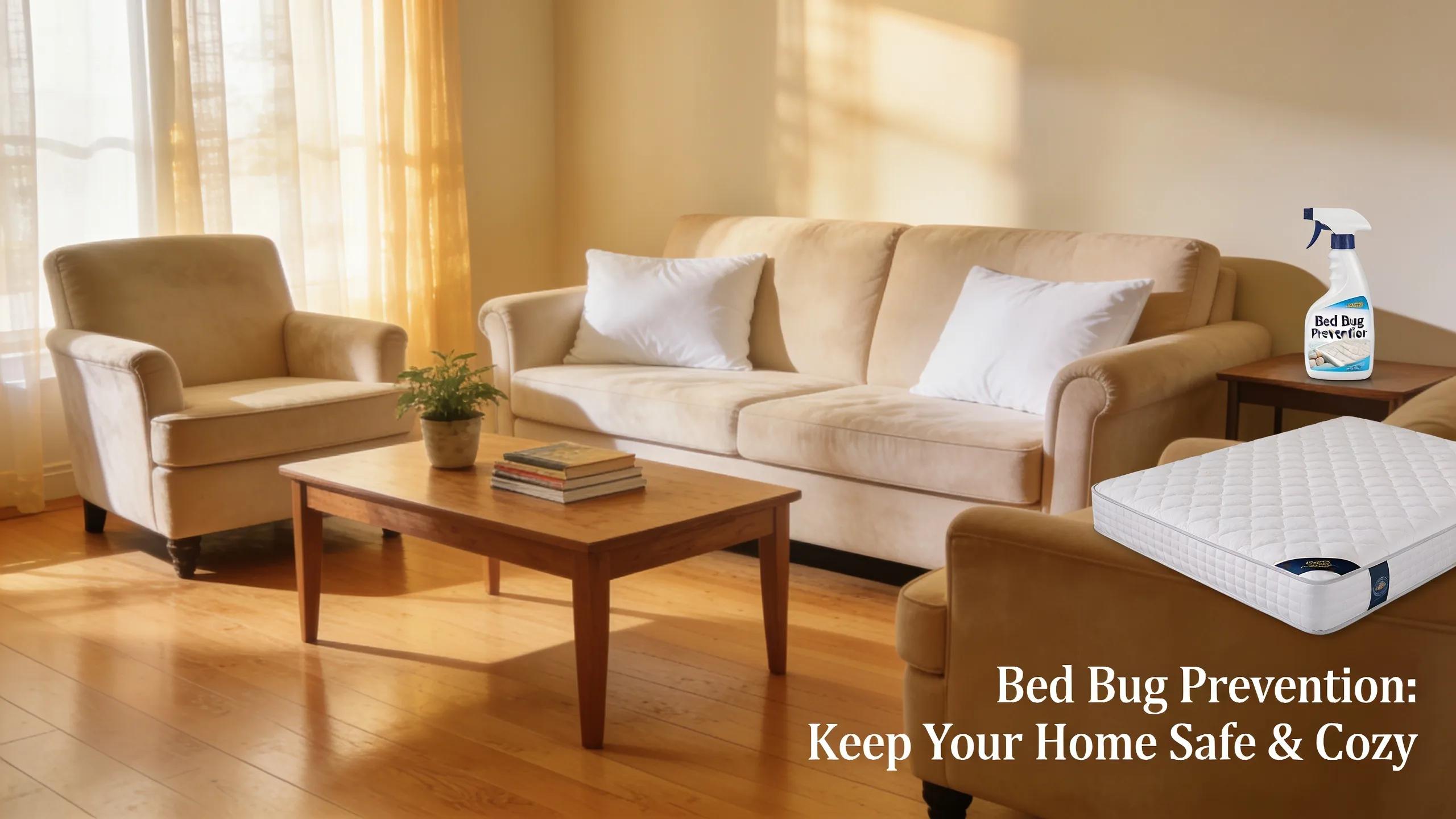
Bed Bug Prevention Tips for Furniture You Must Know: How to Protect and Inspect Your Home
By AZ TrashMan, Dry Heat Junk Removal & Dumpster Rentals
Bed bugs commonly infest furniture, causing discomfort and stress. Knowing how to prevent and manage an infestation helps keep your home safe. This article presents furniture-specific prevention tips, clear identification steps and practical measures. You’ll learn to spot early signs, protect different types of furniture and dispose of infested items safely.
Infestations can bring emotional strain and unexpected costs. Using targeted prevention and inspection methods lets homeowners act early. This guide covers identification, prevention, disposal and ongoing furniture care to help keep your home bed bug–free.
How Can You Identify Bed Bugs on Furniture Early?
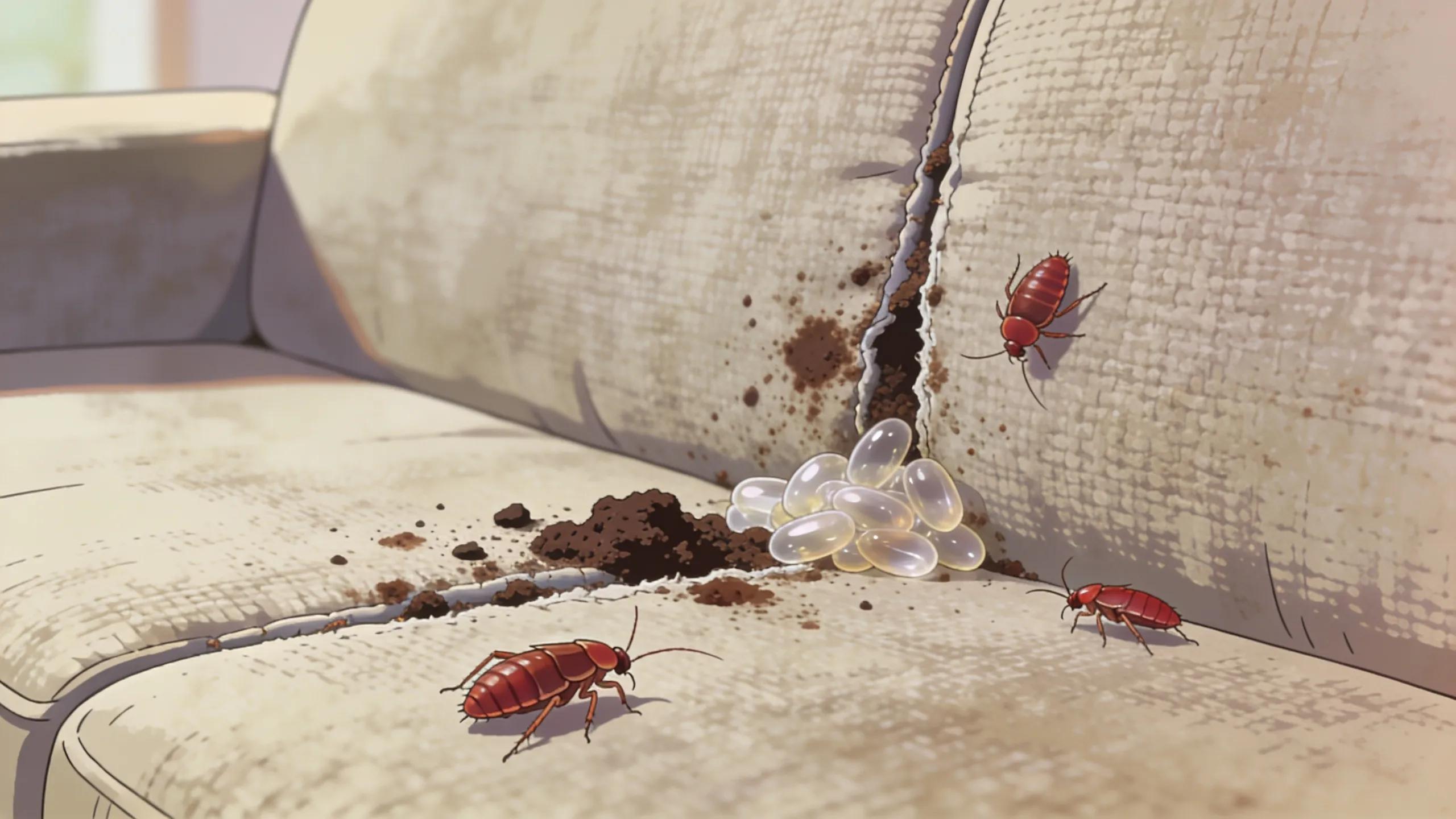
Finding bed bugs early prevents wider spread. These small, wingless insects feed on human blood and are often found in furniture. Watch for their behaviour and physical signs, and use thorough inspections to catch subtle indicators before problems grow.
What Are the Common Signs of Bed Bug Infestation in Furniture?
Look for fecal stains, shed skins and the bugs themselves. Stains are dark reddish-brown or black and often show up on seams or cushions of sofas and mattresses. Check cracks and crevices where bed bugs hide during inspections.
Which Inspection Techniques Effectively Detect Bed Bugs in Furniture?
Use a flashlight and magnifier to spot small signs. Regularly inspect high-risk areas such as bed frames, upholstered furniture and tight spaces where bed bugs prefer to hide. A quick estimate can help you plan your next step, so get an instant bed bug removal estimate using our easy online calculator.
What Are the Best Prevention Practices to Protect Furniture from Bed Bugs?
Reduce infestation risk by sealing entry points, keeping furniture clean and using protective covers. Regular cleaning and scheduled inspections help ensure furniture and living areas remain free of these pests.
How Do Mattress Encasements and Furniture Covers Help Bed Bug Control?
Mattress encasements and furniture covers block bed bugs from accessing mattresses and cushions and can trap any existing bugs inside. Choose encasements made for bed bug prevention and make sure they fit securely to avoid gaps.
What Are Professional Treatment Options for Bed Bug Prevention on Sofas and Other Furniture?
For established infestations, professionals are often the best option. Treatments include chemical applications and heat treatments, which can eliminate bed bugs. Pros may also use steam cleaning and thermal remediation for a thorough eradication.
When and How Should Infested Furniture Be Safely Disposed to Prevent Bed Bug Spread?
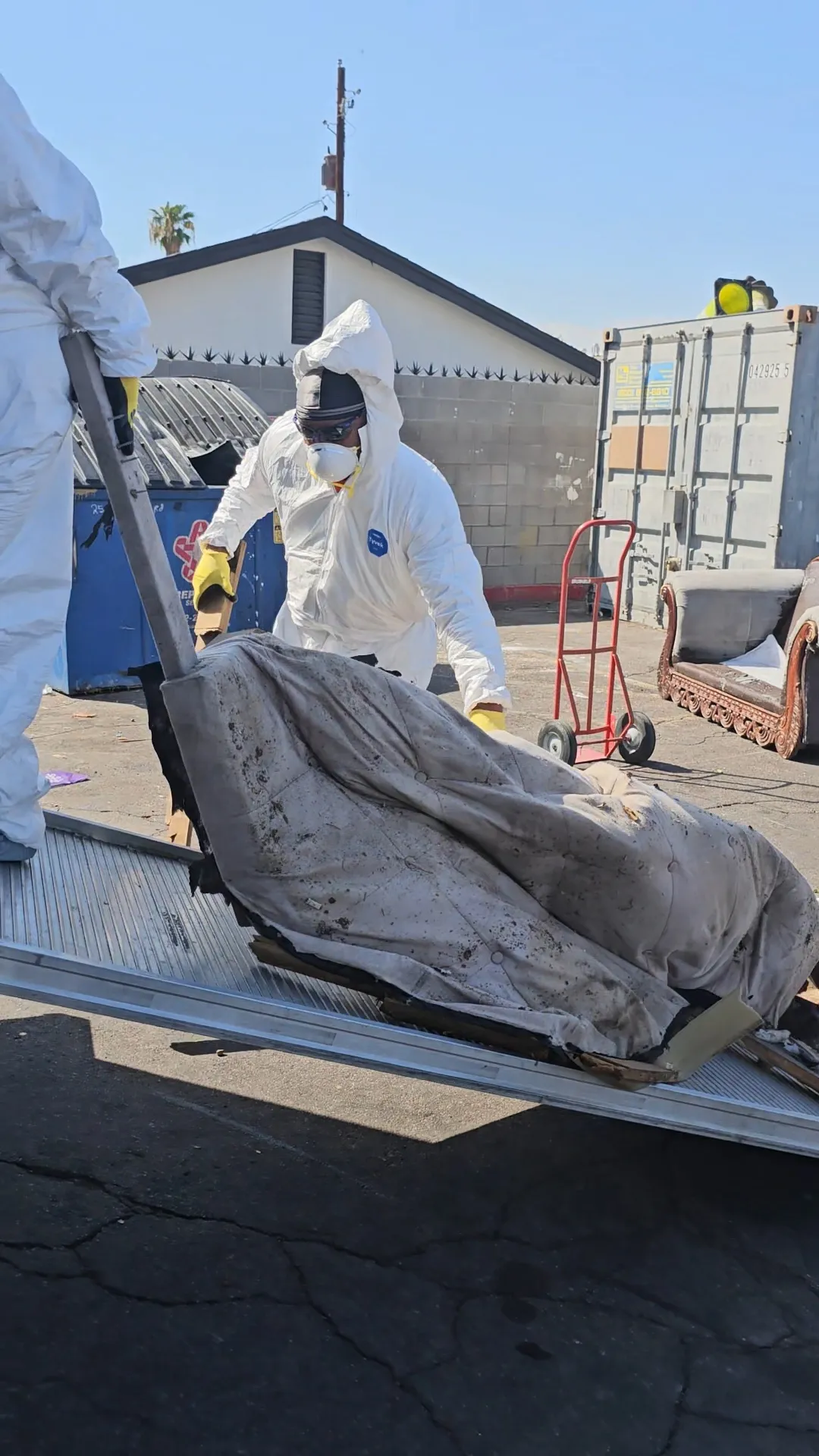
When furniture is infested, proper disposal prevents spread to other areas. Follow safe steps to discard items so you don’t reintroduce pests to your home.
What Are the Safe Junk Removal Services Available for Bed Bug-Infested Furniture?
Choosing the right junk removal service ensures infested furniture is handled safely. Look for companies that follow disposal regulations and know how to prepare items for removal, such as wrapping them in plastic to avoid spreading pests.
How Can Dumpster Rentals Support the Disposal of Infested Furniture?
Using dumpster rentals provides a contained option for removing infested furniture. Request an appropriately sized dumpster to keep items contained and reduce the risk of spreading bed bugs during transport.
What Are Essential Bed Bug Treatment Tips Specific to Common Furniture Types?
Different furniture types need tailored treatment plans. Knowing the right approach for each item helps you apply effective measures and improve overall results.
How Is Bed Bug Treatment Applied to Sofas and Mattresses?
Sofas and mattresses are treated with encasements, targeted chemicals or professional services. Specialty vacuums can remove visible bugs. Working with pest-control professionals increases the chance of successful treatment.
What Are Heat Treatment Benefits and Procedures for Furniture Bed Bugs?
Heat treatment is highly effective: high temperatures kill bed bugs at all life stages. Including heat in your strategy delivers rapid results and avoids chemical exposure.
How Can Homeowners and Property Managers Maintain Ongoing Bed Bug Prevention in Furniture?
To stay bed-bug-free, homeowners and property managers should adopt regular prevention routines. Continuous inspections and knowing the signs are essential. If you manage multiple properties, consider exploring commercial junk removal services for professional support.
What Regular Inspection and Cleaning Tips Help Control Bed Bug Risks?
Keep a regular inspection and cleaning schedule. Vacuum upholstered furniture and inspect seams and folds where bed bugs may hide. Focusing on high-risk areas helps prevent infestations from taking hold.
How Do You Monitor and Respond to Early Bed Bug Activity Signs?
Be vigilant for bites or visible signs and report them promptly. Use monitors and interceptors to track activity and respond quickly to limit outbreak risk and protect furniture.
Frequently Asked Questions
What steps should I take before bringing used furniture into my home?
Inspect used furniture for fecal stains, shed skins or live bugs before bringing it inside. Treat items with heat or a bed bug spray if needed, add encasements to mattresses and cushions, and keep items isolated for a few days to ensure they don’t carry pests.
How can I educate my family about bed bug prevention?
Teach family members what bed bugs look like and how they spread. Encourage checks after trips or sleepovers, keep a shared cleaning routine and remind everyone to be vigilant in bedrooms and common areas.
Are there natural remedies to help prevent bed bugs in furniture?
Natural remedies like lavender or tea tree oil may offer limited deterrence, but their effectiveness is often low. Regular vacuuming, steam cleaning and diatomaceous earth are more reliable. For serious problems, seek professional pest control rather than relying only on home remedies.
How often should I check for bed bugs in my home?
Perform a thorough inspection at least once a month, focusing on bedrooms and living rooms. Check furniture during seasonal cleanings and after travel to reduce the chance of bringing bed bugs indoors.
Can I treat a bed bug infestation on my own, or should I hire a professional?
Small infestations may be manageable with DIY methods, but larger outbreaks are best handled by professionals with advanced treatments. If you choose DIY, be prepared to repeat treatments to ensure all life stages are eliminated.
What should I do if I find bed bugs in a rental property?
Report bed bugs to your landlord immediately and document the issue with photos. Follow up to ensure they take action, and avoid moving items from the infested area to reduce the risk of spreading.
Conclusion
Using early detection, protective measures and regular maintenance helps keep your home comfortable and pest-free. Professionals can provide added assurance for pest management and furniture care. Start taking proactive steps today by exploring our recommended solutions.