The Property Manager’s Liability: Proximity, Migration, and Habitability Codes
For property managers overseeing multi-family complexes, townhome communities, or commercial real estate portfolios across the Phoenix metropolitan area, a bed bug outbreak is a direct threat to operational revenue and building valuations. Unlike a detached single-family home, multi-unit residential building features shared walls, interconnected utility conduits, shared plumbing chases, and centralized ventilation systems. When an infestation takes hold in one unit, it does not remain isolated for long.
If a property manager delays action or attempts to handle the disposal of heavily infested mattresses and upholstered furniture using standard in-house maintenance crews, the risk of building-wide cross-contamination skyrockets. Dragging raw, unsealed mattresses down common hallways, into shared stairwells, or through main leasing lobbies acts as a vector distribution system. Microscopic eggs, nymphs, and adult pests shake loose from the fabric tufts, embedding themselves into hallway carpeting and light fixtures, quickly migrating into neighboring units. Under strict Arizona landlord-tenant laws and municipal housing codes, failing to address a known pest vector quickly can result in severe habitability violations, rent withholding, and costly legal disputes. Try our Bed Bug Removal Pricing Calculator to get an accurate estimate based on the number and type of infested items you need removed.
Standard Operating Procedures for Multi-Unit Vector Extractions
Managing a multi-tenant portfolio requires an established, repeatable protocol that satisfies local health departments while protecting your building’s reputation. When upholstered items, box springs, and structural fabrics are deemed non-salvageable by an extermination team, property managers must implement a strict containment workflow rather than tossing items into open commercial dumpsters.
To execute a compliant, high-volume property management clearout, Dry Heat Junk Removal deploys a specialized workflow:
- Source-Level Hermetic Sealing: Our technicians enter the affected unit equipped with heavy-duty, 6-mil industrial plastic sheeting. Before a single piece of furniture is lifted or moved toward the door, it is completely wrapped and heat-sealed or taped air-tight. This ensures zero pests escape during transit through common residential corridors according to the structural isolation protocols outlined in the EPA National Bed Bug Control Guidelines.
- Discreet Exterior Logistics: Maintaining a low profile is essential to prevent resident panic and protect your community’s online review profile. We utilize enclosed transport fleets and schedule extractions during off-peak windows, moving items swiftly and quietly without drawing unnecessary attention from neighboring tenants.
- Documented Disposal and Chain of Custody: Throwing infested assets into standard community roll-off dumpsters is a major public health hazard that can lead to heavy city fines. We transport all sealed assets directly to authorized regional waste processing facilities, providing management with clear billing records to verify compliant, eco-friendly handling.
Aligning Junk Removal with Complex Pest Management Timelines
Successful eradication requires absolute synchronization between your licensed pest control operator (PCO) and your heavy-volume junk removal provider. Removing heavily infested furniture must serve as the foundational step that opens up the structural layout for chemical or thermal treatments.
- Pre-Treatment Bulk Clearing: Removing bulky, contaminated mattresses, couches, and deep carpet padding first allows exterminators to gain immediate, unobstructed access to crucial treatment zones—such as baseboards, electrical outlet plates, wall cracks, and subflooring joints.
- Post-Treatment Debris Removal: Alternatively, if your PCO utilizes high-heat thermal remediation, we can coordinate our entry immediately after the treatment cycle ends. This ensures that any residual, structurally compromised furniture is safely hauled away after the heat has rendered the pests inactive, allowing your maintenance staff to turn over the unit for occupancy in record time.
Frequently Asked Questions (Property Management Edition)
Why can’t my on-site maintenance crew dispose of bed bug mattresses?
Your on-site maintenance crew should not dispose of bed bug mattresses because dragging exposed, unsealed bedding through common hallways triggers widespread building contamination. Standard property maintenance staff lack the specialized personal protective equipment (PPE), high-grade 6-mil wrapping materials, and specialized bio-vector transit training required to legally haul pest-infested furniture. Outsourcing this to a certified provider limits your property’s liability and keeps common areas safe from re-infestation risks as noted by the Centers for Disease Control and Prevention.
What happens if a property manager leaves bed bug furniture by a dumpster?
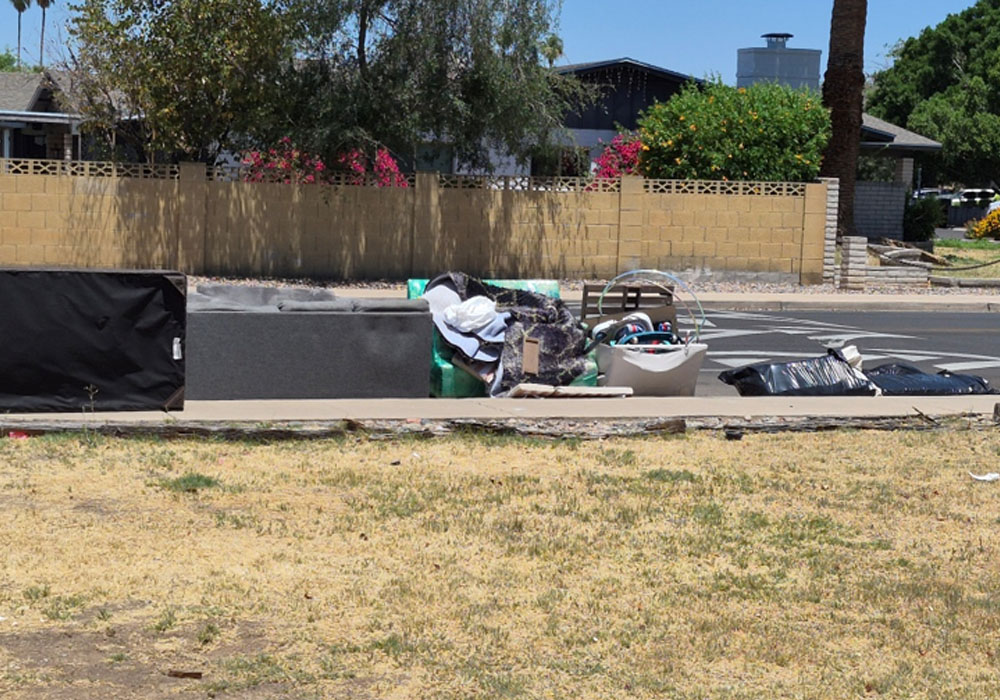
Leaving bed bug infested furniture openly next to a commercial property dumpster violates local public health sanitation codes and can result in severe municipal citations and code enforcement fines. Unwrapped furniture allows the pests to migrate back into adjacent residential structures or spread to nearby units via maintenance tracks, stray animals, or scavenging tenants who attempt to salvage the discarded items.
How do you ensure discretion so other tenants don’t panic during a furniture cleanout?
We maintain complete operational discretion by utilizing clean, fully enclosed transport trucks and scheduling our bulk extractions during lower-traffic, off-peak hours. Additionally, our technicians perform all heavy plastic encapsulation inside the closed unit, meaning when items are moved through public corridors, they appear as standard, securely wrapped cargo rather than exposed pest debris.