Affordable Bed Bug Removal Tips for Your Home: Effective Treatment and Cleanup Solutions
By AZ TrashMan, Dry Heat Junk Removal & Dumpster Rentals
Bed bugs can quickly become a serious problem in any home. This guide gives affordable, practical tips for spotting and treating infestations, from DIY steps to professional options. You’ll learn the signs to watch for, how bed bugs reproduce, and which removal techniques help you regain control while keeping costs down.
We cover how to identify bed bugs, do-it-yourself strategies, professional treatments, and the cleanup that follows. You’ll also see how junk removal services can help dispose of infested items and how dumpster rentals can simplify bulk disposal. These tips will help you tackle infestations without overspending.
What Are the Common Signs of a Bed Bug Infestation?
Spotting an infestation early makes it much easier to manage. Signs include physical symptoms on people and visible evidence around the home. Missing or misreading these signs often lets the problem grow and become harder to fix.
Bed bugs feed on human blood and are visible to the naked eye. Their bites leave red, itchy welts that often show up in clusters or lines. Recognising these early signs helps you act fast and control the infestation more effectively.
How to Identify Bed Bug Bites and Signs at Home
Bites usually appear as small, swollen bumps that itch and can vary in size. They often show up a few days after the bite, so monitor any unusual skin reactions. Common sites are the arms, legs, and torso—areas exposed while sleeping. Waking with unexplained itches at night can also point to bed bugs.
Also check for tiny dark spots on bedding or furniture (fecal stains), shed skins, and eggs. Recognising these signs lets you act before the infestation worsens.
What Does the Bed Bug Life Cycle Look Like?
Bed bugs go through egg, nymph, and adult stages. Females lay about 1–5 eggs per day, which hatch in 6–10 days. Nymphs molt several times and typically reach adulthood in 5–10 weeks under ideal conditions. Their fast reproduction and adaptability make infestations hard to control.
Bed bugs need blood meals at every stage. Knowing their life cycle helps you choose treatments that target the most vulnerable stages for better results. Use our Bed Bug Removal Pricing Calculator to get a better understanding of your removal expenses before booking service.
Which DIY Bed Bug Removal Methods Are Affordable and Effective?
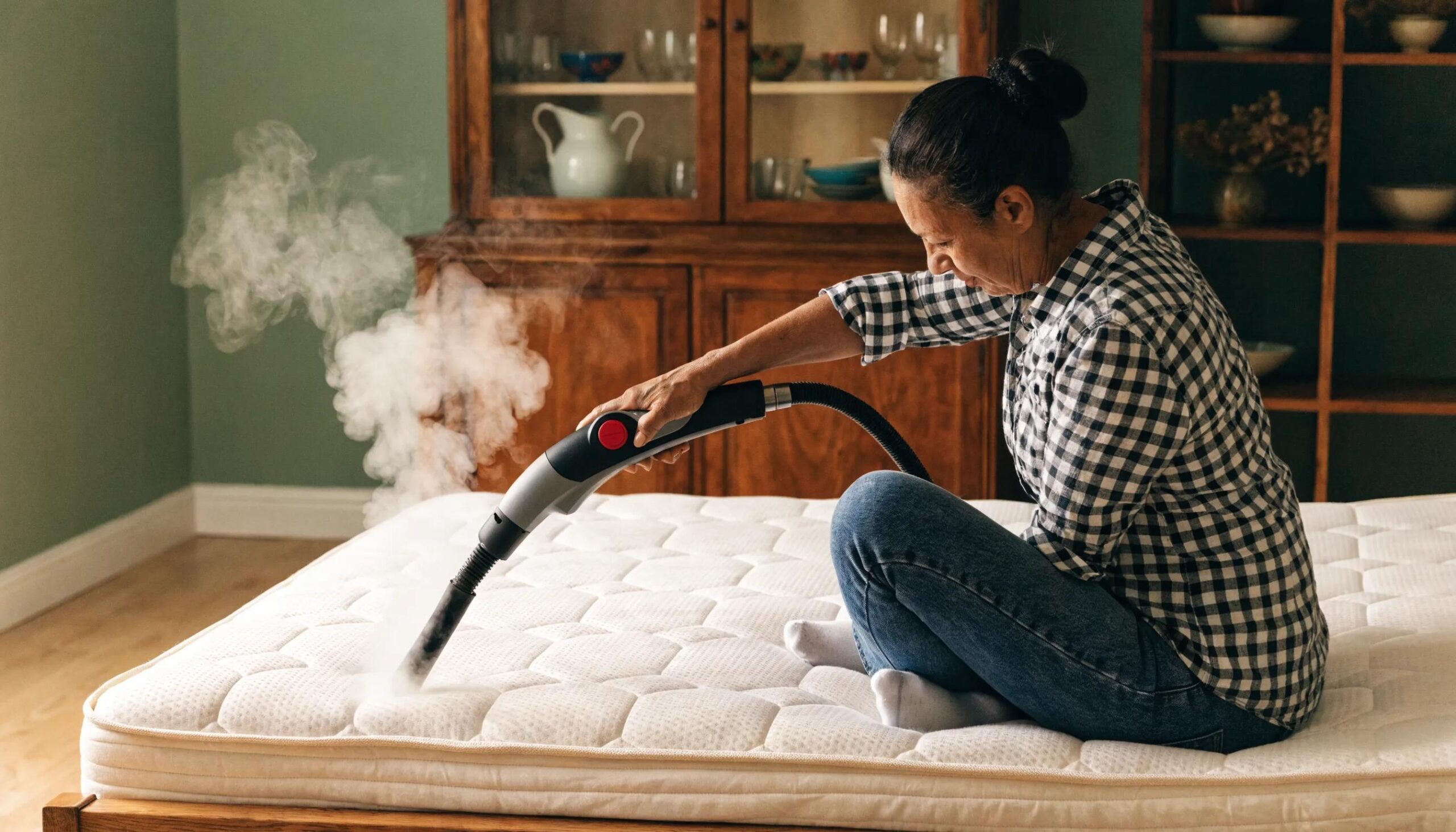
There are several cost-effective DIY methods that use common household items and simple techniques. When done carefully, these steps can reduce populations and buy time while you plan a longer-term solution.
Many homeowners start with DIY steps to cut costs, but DIY should be thorough and cautious to be effective. Incomplete attempts can leave eggs or hidden bugs behind.
How to Safely Use Heat and Steam for Bed Bug Extermination
Heat is one of the most reliable ways to kill bed bugs and their eggs. Use a steam cleaner that produces steam above 120°F (49°C). That temperature is lethal to bed bugs at all life stages when applied correctly.
To employ this method safely:
- Ensure the steam reaches the desired temperature before application.
- Focus on targeted areas such as mattress seams, bed frames, and curtains.
- Avoid steam exposure to sensitive materials or electrical components.
Use steam alongside other methods for a more complete treatment and to reduce the chance of residual bugs.
What Are Best Practices for Chemical-Free Bed Bug Treatment?
Many people prefer chemical-free options for health reasons. Effective methods include diatomaceous earth, thorough vacuuming, and using essential oils like tea tree or lavender as deterrents.
When employing chemical-free methods:
- Regularly vacuum to remove bed bugs and eggs, especially from cracks, crevices, and infested areas.
- Sprinkle diatomaceous earth in suspected infested areas, as this natural pest control method can dehydrate and kill bed bugs when they come into contact with it.
- Consider using essential oils strategically. Though less effective alone, they work complementarily to other control methods.
Combining these strategies increases the chance of reducing or eliminating the infestation.
What Professional Bed Bug Treatment Options Should Homeowners Consider?
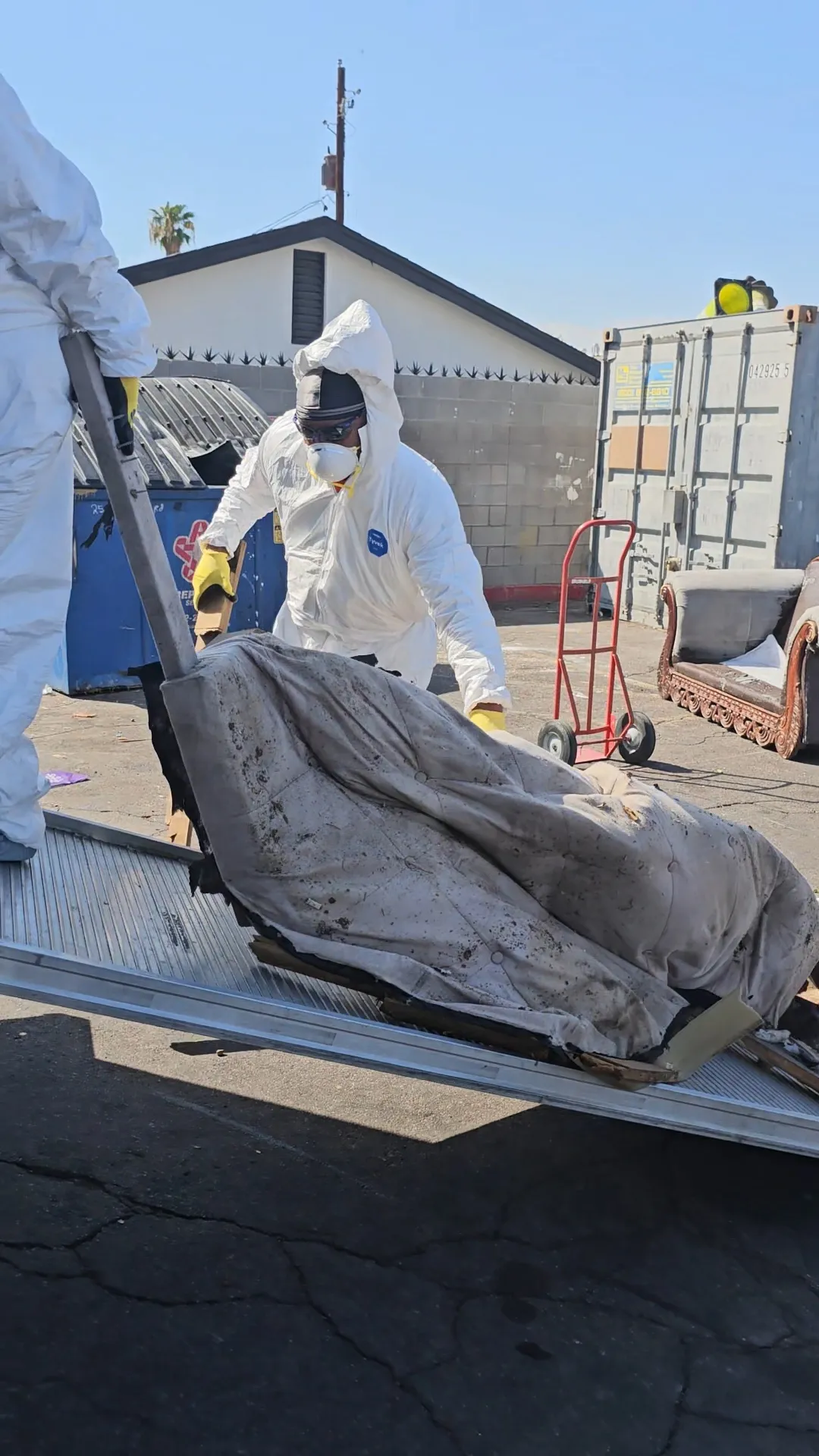
If an infestation persists, professional help may be necessary. Pest control companies offer wider treatment options, including specialised chemical and heat treatments beyond most DIY capabilities.
Before hiring help, compare professional services by effectiveness, safety, and cost to find the best fit for your situation.
How Does Heat Treatment Eliminate Bed Bugs Effectively?
Professional heat treatment raises room temperatures to lethal levels that penetrate cracks and furniture, killing bed bugs at every stage. Heat reaches spots that sprays often miss.
Professionals usually perform a full assessment and use specialised equipment to treat the entire space. When done correctly, heat treatment often reduces the need for multiple follow-ups and can deliver fast results.
What Are Typical Costs for Bed Bug Heat Treatment Services?
Heat treatment costs vary, typically between $300 and $1,500 depending on the area size and infestation severity. Location, treatment scope, and company experience also affect price.
Get multiple detailed quotes so you can compare services, costs, and expected outcomes before committing.
Why Is Post-Treatment Cleanup Crucial After Bed Bug Extermination?
Cleaning after treatment is essential to stop any remaining bugs or eggs from causing a rebound. Skipping cleanup can undo treatment efforts and lead to a quick return of the infestation.
Thorough cleanup removes leftover bugs, eggs, and debris so your home stays bed bug–free after treatment.
How Does Junk Removal Support Safe Disposal of Infested Items?
Discarding infested items correctly is key to preventing spread. Junk removal services can safely remove infested furniture, bedding, and other items so pests aren’t moved to new locations.
Using a junk removal service ensures:
- Compliance with health regulations related to pest disposal.
- Safe and efficient removal without risking human contact with infested materials.
- A clear plan for efficiently getting rid of items that pose a threat to the home.
Hiring a service reduces the homeowner’s workload while keeping disposal safe and compliant.
What Are Tips for Scheduling Efficient Junk Removal Services?
To get the most from junk removal, plan logistics around your treatment timeline and the volume of items to remove.
- Plan Ahead: Schedule a junk removal appointment shortly after treatment to avoid re-infestation.
- Declutter: Remove additional items that might be at risk to facilitate an efficient removal process.
- Communicate: Give clear instructions to the junk removal service regarding what items need removal and the best approach for disposal.
Good timing and clear instructions make the removal process smoother and help prevent future problems.
How Can Dumpster Rental Services Help in Bed Bug Waste Disposal?
Dumpster rentals are useful when you need to dispose of many infested items. Renting a dumpster gives a simple, contained way to remove bulky waste without repeated trips.
Using a dumpster keeps disposal organised and helps you clear out large amounts of material quickly and safely.
What Sizes and Pricing Options Are Available for Dumpster Rentals?
Common dumpster sizes range from 10 to 40 cubic yards, and prices typically fall between $300 and $600 depending on size and rental length. Choose a size that matches the volume of items you need to remove.
Picking the right size prevents overspending and avoids dealing with leftover waste.
How to Choose the Right Dumpster Rental for Pest Control Cleanup
Select a dumpster based on capacity, cost, and rental terms to make disposal straightforward and cost-effective.
- Size: Ensure the dumpster can accommodate all infested items.
- Cost: Compare prices among local rental companies to find the best deal.
- Rental Terms: Read the fine print regarding rental duration and fees for extended use or extra weight.
Choosing the right dumpster streamlines cleanup and supports effective pest-control efforts.
What Are Cost-Saving Tips for Affordable Bed Bug Removal?
Smart budgeting and a mixed approach can make bed bug removal more affordable. Combining careful DIY steps with targeted professional help lowers costs while improving results.
Applying practical strategies keeps both your home and your budget in better shape.
How to Combine DIY and Professional Methods Effectively
Pairing DIY steps with professional treatments gives flexibility and better results. Start with cleaning and steam treatment to reduce populations, then bring in pros for full eradication when needed.
Consider these strategies:
- DIY cleaning before professional treatments can significantly reduce the pest population, enhancing treatment outcomes.
- Following up with professionals after self-treatment ensures thorough eradication and pest removal.
- Monitoring the treated areas closely post-intervention prevents any re-infestation.
This hybrid approach saves money and improves the odds of complete removal.
What Are Prevention Strategies to Avoid Future Infestations?
Preventing infestations means staying alert and using multiple prevention tactics to reduce risk.
- Regular Inspections: Frequently check areas prone to bed bug activity, especially after traveling or bringing in second-hand items.
- Encasements: Use protective coverings for mattresses and box springs to minimize potential infestation.
- Education: Familiarize yourself with bed bug signs and prevention techniques to ensure immediate action if signs reappear.
Staying proactive helps keep your home comfortable and free from bed bug disruptions.
Frequently Asked Questions
What should I do if I have a bed bug infestation but cannot afford professional treatment?
If professional treatment is out of reach, start with focused DIY steps: declutter, wash bedding and clothing in hot water, vacuum cracks and crevices, and apply diatomaceous earth where needed. Essential oils like tea tree or lavender may help as deterrents but work best alongside other methods. These steps can lower the population while you plan further action.
How can I tell if bed bugs are completely gone after treatment?
Check treated areas regularly for bites, shed skins, or live bugs. Allow a few weeks after treatment since some bugs may hide. Inspect mattress seams, furniture cracks, and use bed bug monitors for added assurance. If signs return, contact a pest control professional for re-evaluation.
Are there any health risks associated with bed bug bites?
Bed bug bites don’t typically spread disease, but they can cause itchy, red bumps and skin irritation. Excessive scratching may lead to secondary infections, and allergic reactions can occur in some people. Avoid scratching and use topical treatments for relief; see a healthcare provider if reactions worsen.
How long does it take for DIY methods to be effective against bed bugs?
DIY methods can take several weeks of consistent effort to show clear results. Regular vacuuming combined with steam cleaning or diatomaceous earth helps. Persistence and thoroughness are essential, since missed eggs or hiding spots let infestations continue.
What common mistakes do homeowners make when dealing with bed bugs?
Common errors include underestimating the infestation, treating only visible areas, relying on unproven remedies, and skipping post-treatment cleaning and inspections. Thorough, ongoing checks and proven methods are key to success.
Can bed bugs live on furniture, and how do I prevent that?
Yes. Bed bugs can hide in couches, chairs, and other furniture. Inspect second-hand items before bringing them home, use encasements, and treat suspected furniture with heat or thorough vacuuming. Regular checks and preventive steps reduce the risk of infestation.
Conclusion
Eradicating bed bugs restores comfort and protects your home. Using a mix of careful DIY steps and professional treatments helps you remove pests affordably while lowering health risks. Stay proactive with prevention and cleanup to keep your home pest-free. Start applying these tips today to move toward a bed bug–free home.