How to Declutter Without Throwing Away Your Memories: Emotional and Practical Strategies for Memory Preservation
By AZ TrashMan, Dry Heat Junk Removal & Dumpster Rentals
Decluttering can often evoke strong feelings, especially when it comes to items imbued with sentimental value. Many people find themselves paralyzed by emotional attachments to these keepsakes, making the process of letting go quite challenging. This article provides effective techniques to declutter while respecting the memories tied to physical items, offering emotional and practical strategies for memory preservation. You’ll learn how to navigate the complexities of emotional attachment, explore proactive decluttering techniques, and discover how to utilize support services that can aid in this journey.
The main focus will cover emotional attachment to keepsakes, effective emotional decluttering techniques, methods for organizing important items, and the role of professional services in simplifying the process, ensuring that meaningful memories are preserved without clutter.
What Is Emotional Attachment and Why Does It Affect Decluttering?
Emotional attachment refers to the deep connection individuals form with specific objects, stemming from personal history, relationships, or experiences tied to those items. This bond significantly impacts one’s ability to declutter, as many individuals struggle to part with items that evoke nostalgia or a sense of identity. Recognizing this attachment is crucial for effective decluttering, as it helps individuals confront the emotional challenges and logistical issues that arise when dealing with sentimental items. By understanding these dynamics, one can develop more resilient decluttering strategies.
How Does Emotional Attachment Shape Our Relationship with Keepsakes?
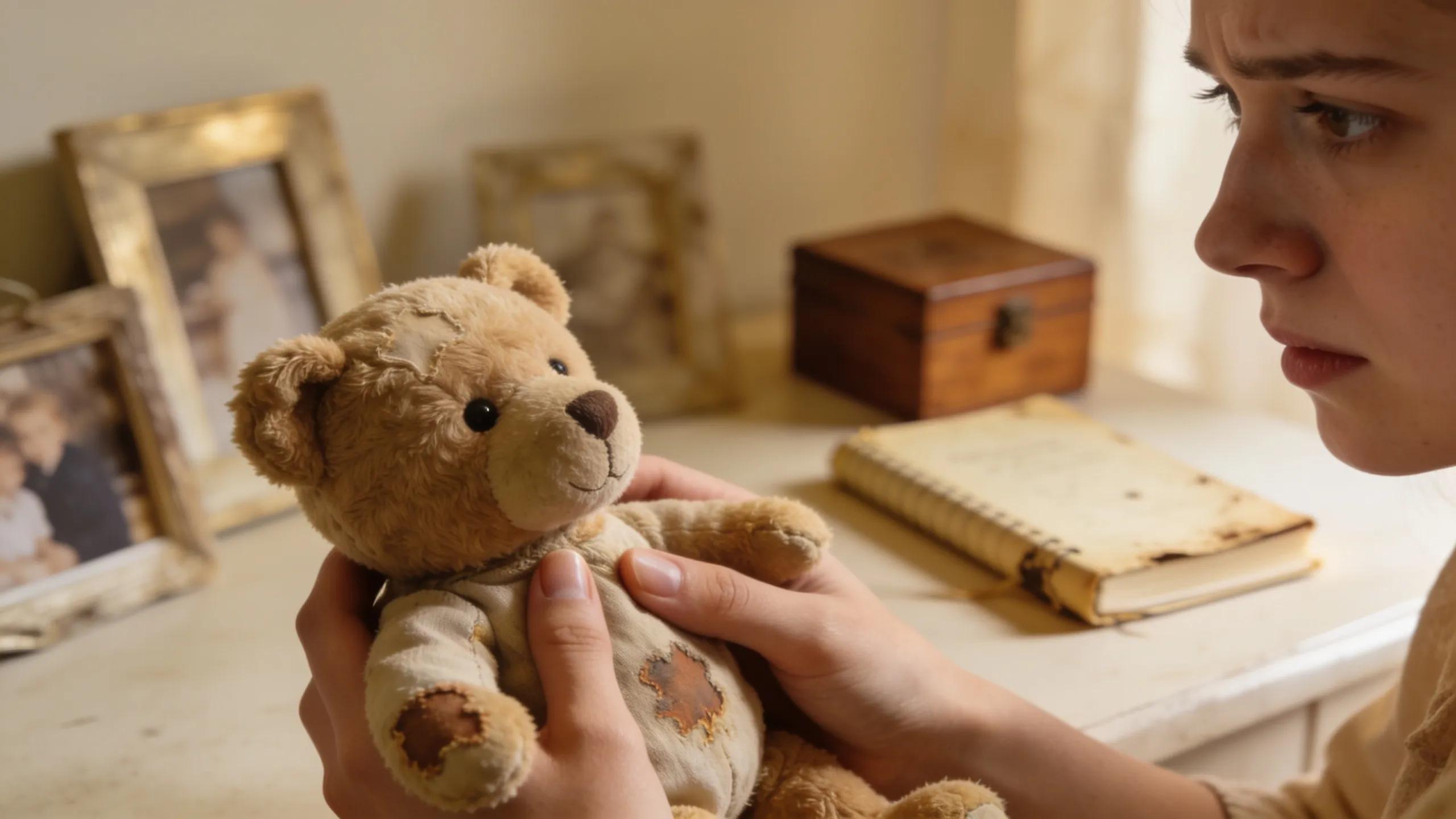
Keepsakes, such as photographs, gifts, and mementos, often carry rich emotional significance. The connection to these items is not merely about their physical presence but the stories and memories they encapsulate. For instance, a childhood toy may remind someone of simpler times, while a piece of jewelry could symbolize a cherished relationship. Recognizing the emotional weight of these keepsakes can assist individuals in acknowledging their feelings, helping them navigate the complexities of deciding what to keep or let go.
What Challenges Arise When Decluttering Sentimental Items?
Decluttering sentimental items presents both emotional and logistical challenges. Emotionally, individuals may experience guilt or sadness when faced with the prospect of letting go of treasured items. Logistically, they may struggle with physical space constraints and the overwhelming amount of decision-making involved. Strategies to overcome these obstacles include setting clear guidelines for what to keep, focusing on the memories associated with items rather than their physical presence, and seeking support from friends or professionals.
What Are Effective Step-by-Step Emotional Decluttering Techniques?
Implementing effective emotional decluttering techniques can ease the tension between letting go and preserving memories. Starting with small items can make the process feel less daunting. Take the time to reflect on the memories tied to each object, then categorize them based on emotional significance. Use this step-by-step approach to create a meaningful decluttering experience that honors emotional ties while making space.
How Can You Sort Keepsakes to Preserve Important Memories?
When sorting keepsakes, consider adopting a categorization strategy. Group items into categories such as “must-keep,” “donate,” or “discard.” This method not only helps clarify which items hold the most value but also allows individuals to make more intentional decisions about what they wish to retain. Encourage keeping a few significant items from each category to honor memories while minimizing clutter.
What Questions Help Decide What to Keep or Let Go?
Several guiding questions can facilitate the decision-making process about what to keep. Consider asking yourself:
- Does this item bring me joy or comfort?
- What memory does this item evoke, and is it worth preserving?
- Would I buy this item again if I were shopping today?
These reflective questions help clarify emotional attachments and can empower individuals to make informed choices during the decluttering process.
How Do You Organize Keepsakes to Safeguard Your Memories?
Proper organization of keepsakes is essential for safeguarding your memories. This involves not only how you store items but also how you structure your space to minimize clutter while celebrating what matters most. This organized approach makes it easier to access mementos when desired, fostering a relationship with memories rather than becoming overwhelmed by them.
What Storage Options Best Preserve Sentimental Items?
When it comes to storage, opt for materials that protect your keepsakes from environmental damage. Acid-free boxes, archival-safe folders, and moisture-resistant containers are excellent choices. Clearly label each storage option based on its contents and the associated memories. This process allows for easy retrieval and celebrates memories without overwhelming your living space.
How to Create an Organized Keepsake System at Home?
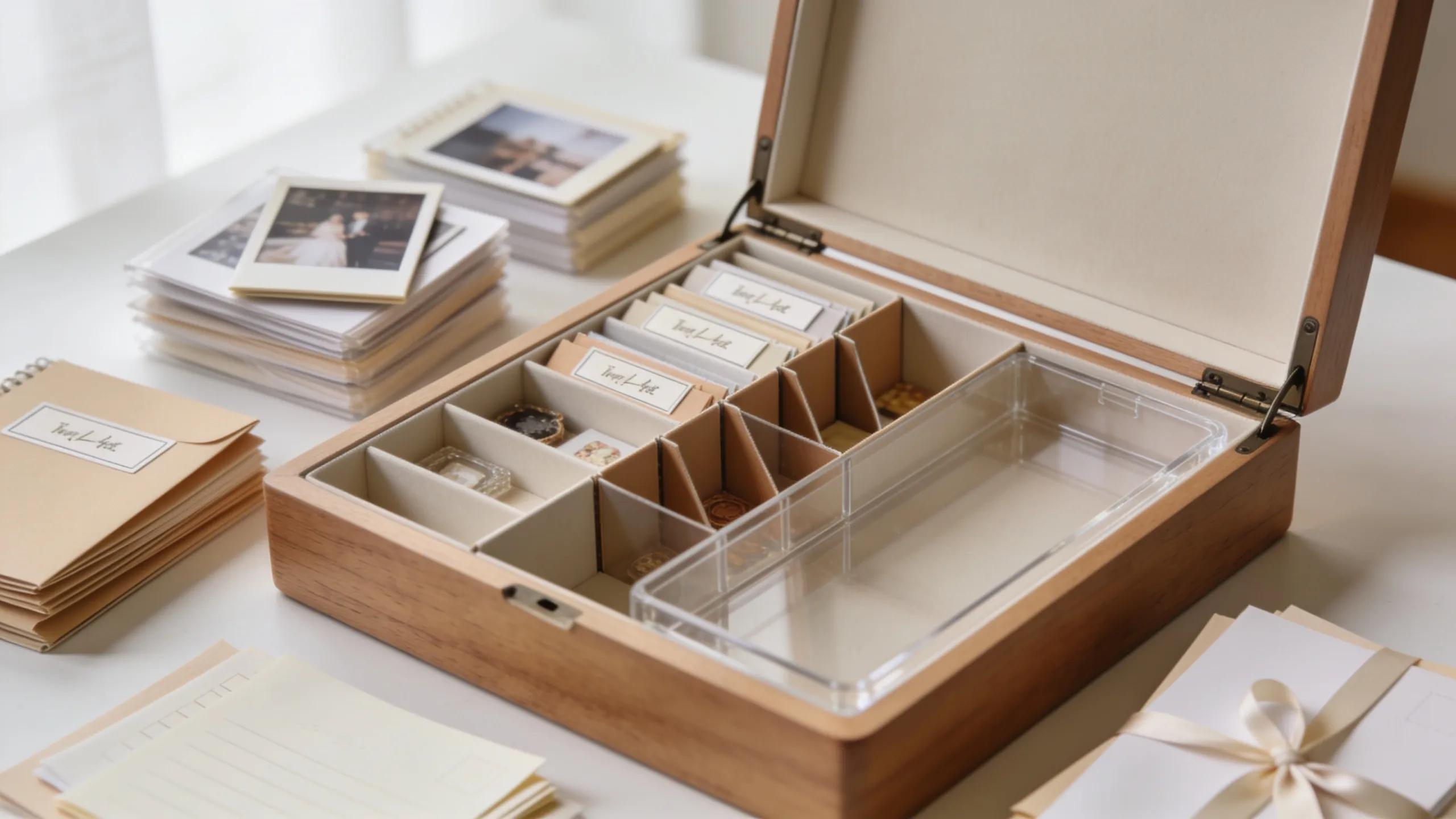
Developing an organized keepsake system involves identifying a dedicated space, such as a memory box or designated shelf, where items are stored. It’s essential to regularly review and update this system, perhaps every year, to ensure it remains functional. Incorporating technology, such as digital photos of physical items, can also help preserve memories while freeing up physical space.
How Can Professional Junk Removal Services Support Your Decluttering Journey?
Professional junk removal services can be particularly valuable during the decluttering process, especially when dealing with large volumes of unwanted items. These services help streamline the decluttering effort by handling the logistics of removal and disposal, allowing individuals to focus on the emotional aspect of their belongings. This is where services geared towards commercial junk removal can also be adapted for large residential needs.
What Role Does Sensitive Junk Removal Play in Emotional Decluttering?
Sensitive junk removal services acknowledge the emotional difficulty of parting with items and approach the process empathetically. Professionals can assist individuals in making thoughtful decisions about what to keep and facilitate the removal of items in a way that respects emotional attachments. Their expertise can bridge the gap between emotional needs and practical logistics, enhancing the decluttering experience.
When Should You Consider Scheduling Junk Removal for Sentimental Decluttering?
Individuals should consider scheduling professional junk removal services when faced with overwhelming tasks, such as decluttering an entire home or handling large items with significant emotional weight. Engaging these services can take the burden off individuals, allowing them to concentrate on more manageable decisions regarding cherished keepsakes. Our junk removal specialists can provide the necessary support.
What Are the Advantages of Using Dumpster Rentals for Large-Scale Decluttering?
Utilizing dumpster rentals can simplify the decluttering process, especially in large-scale projects that involve multiple rooms or entire homes. This option provides a practical solution for disposing of unwanted items without the hassle of multiple trips to waste facilities. It also allows for a more organized means of decluttering space while respecting the memories tied to certain items. For such projects, exploring dumpster rentals is a strategic move.
How Do Dumpster Rentals Facilitate Managing Big Decluttering Projects?
Dumpster rentals offer a centralized way to manage waste, ensuring that all unwanted items are collected in one location. During the decluttering process, individuals can take their time sorting items without pressure, as the rental maintains a designated space for disposal. This approach can alleviate stress and contribute to a more orderly decluttering experience.
What Sizes and Options Are Available for Residential Decluttering?
Various dumpster sizes cater to different decluttering needs, from small 10-yard options for minor projects to larger 30-yard containers suitable for major renovations or estate cleanouts. Understanding the available options helps individuals choose the right rental that aligns with their decluttering project scale, providing flexibility and convenience in managing the process. For those undertaking significant home decluttering, specific residential services are often the most suitable.
Which Strategies Help Preserve Memories While Minimizing Guilt during Decluttering?
Finding a balance between letting go and preserving memories is paramount in the decluttering journey. Many individuals wrestle with guilt when parting with items linked to their past. Implementing strategies that honor emotional connections while facilitating the decluttering process can prove beneficial.
How Can You Balance Letting Go with Memory Preservation?
Acknowledge that it’s okay to let go of items while still retaining the memories they represent. Focus on the stories and experiences rather than the physical objects. Consider creating a digital photo album capturing images of items before they are discarded, allowing you to remember the memories without the associated clutter.
What Are Alternatives to Throwing Away Heirlooms?
Instead of discarding heirlooms, look for creative solutions that allow you to repurpose items or pass them on to others. Donation to family members, transforming items into functional art, or donating to local charities can extend the life of cherished possessions while honoring their significance.
This sentiment is echoed in a study that explores how storytelling can be used to preserve memories tied to personal objects, allowing for the emotional transference of value when items are passed on.
Preserving Memories: Narrative Frameworks for Sentimental Object Transference
This study examines this phenomenon both from the perspective of older persons who have recently downsized and from individuals of any age who have recently moved and have been faced with the reality of parting with significant belongings.This study seeks to answer the questions: what is the connection between personal objects and memory? How might we use storytelling to access, preserve, and share these stored memories, ultimately working toward the development of a framework that would allow for these stories to be shared, ensuring that the object retains its value while passing it onto someone else, in a way that minimizes a sense of pain or loss on the part of the original owner?Sentimental Objects, Meaningful Connections: Designing a Narrative-Based Framework to Support the Passing of Significant Personal Belongings into New Hands., 2022
Utilizing services can facilitate this process, providing the support needed to maintain control over emotional attachments while effectively managing the decluttering journey. By implementing these strategies, individuals can confidently declutter their spaces while preserving meaningful memories and reducing the burden of emotional attachment.