How long can bed bugs survive in discarded furniture?
By AZ TrashMan — Dry Heat Junk Removal & Dumpster Rentals
Bed bugs are resilient pests that pose significant challenges for both homes and businesses. Understanding their survival times within discarded furniture is crucial to containing infestations and preventing their spread. This article delves into bed bug biology, survival tactics in furniture, and effective disposal methods that minimize risks. You’ll gain insights into their preferred hiding spots, endurance without feeding, and actionable disposal tips to safeguard your property. For professional assistance, explore our residential junk removal services.
How does the bed bug lifecycle affect their survival in furniture?
Bed bugs develop through three primary stages: egg, nymph, and adult. Between each of the five nymph stages, they require blood meals to progress, directly influencing how long they can survive without feeding. Their remarkable ability to enter a low metabolic state means infested furniture can harbor live bed bugs for extended periods, sometimes months or even longer after being discarded, depending on environmental conditions.
Scientific laboratory studies on species like Cimex hemipterus provide detailed data on their growth stages and survival rates, informing best practices for safe disposal. Additionally, variables such as temperature, humidity, and availability of harborage play crucial roles in survival duration.
Biology and lifecycle of bed bugs (Cimex hemipterus)
Adult bed bugs collected from Fazlul Huq Muslim Hall, University of Dhaka, were identified as Cimex hemipterus Fabricius (Hemiptera: Cimicidae). The species was reared and studied in the lab at room temperature 28 ± 4ºC and 70 ± 10% RH. The average egg incubation period was 7.67 ± 2.08 days. Average nymphal duration was 53.67 ± 2.52 days. The five nymphal stadia lasted 8.33 ± 0.58, 12.0 ± 1.0, 11.33 ± 0.58, 12.0 ± 1.0 and 10.0 ± 1.0 days, respectively. Average time from egg laying to adult emergence was 61.67 ± 3.21 days. (Morphology and biology of the bedbug, Cimex hemipterus in the laboratory, 2012)
How long can bed bugs survive without feeding?
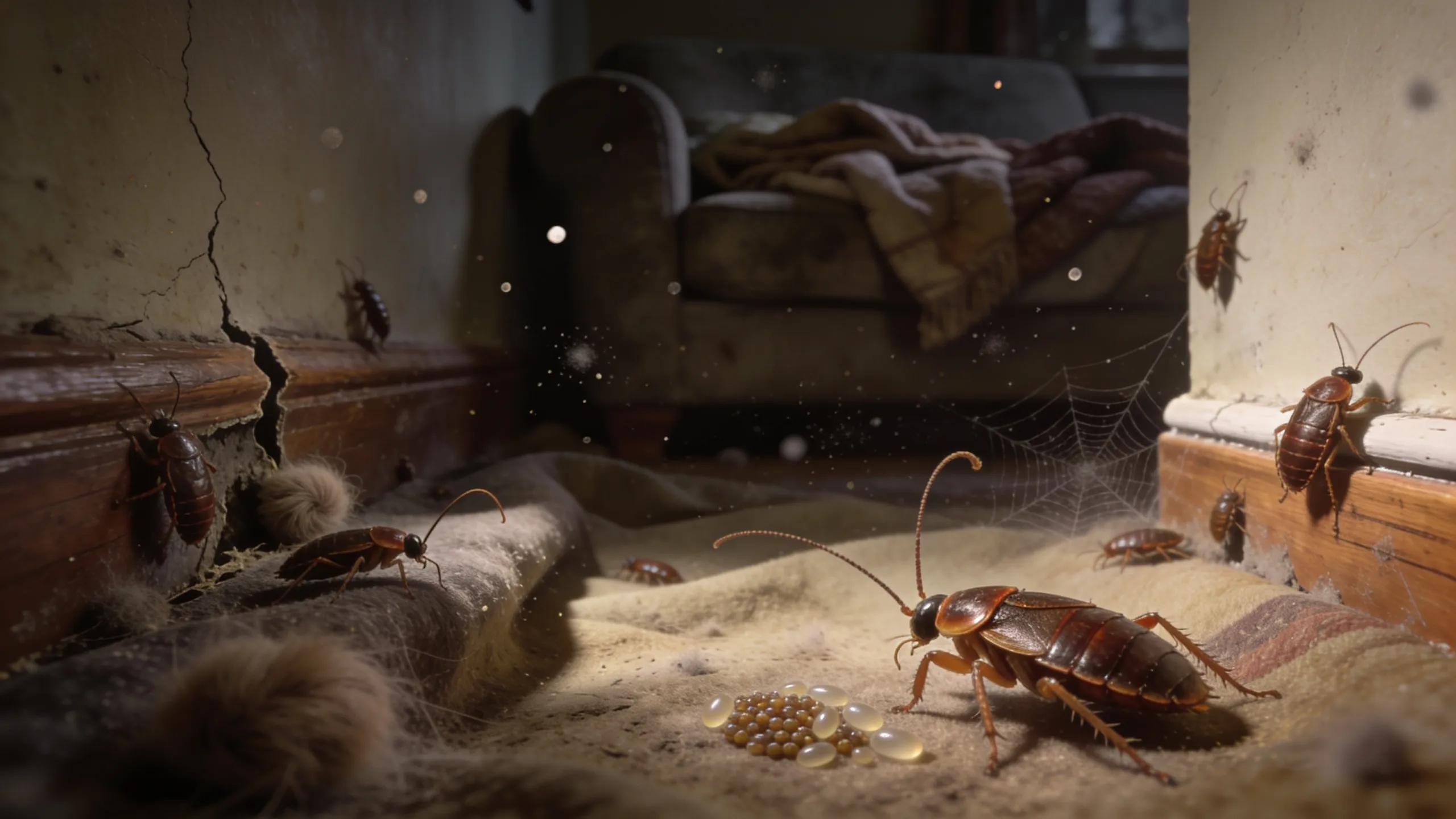
Adult bed bugs can endure several months without a blood meal; under optimal conditions, some can survive up to approximately six months by significantly reducing their metabolic activity and seeking secluded spots such as inside furniture joints or cracks. Cooler temperatures, lower humidity, and absence of disturbance can further extend survival times, with some reports suggesting survival up to a year in rare cases. Prompt action to remove or treat infested furniture greatly reduces the risk of ongoing infestation. For assistance, our junk removal services safely manage these items.
Where do bed bugs hide inside discarded furniture?
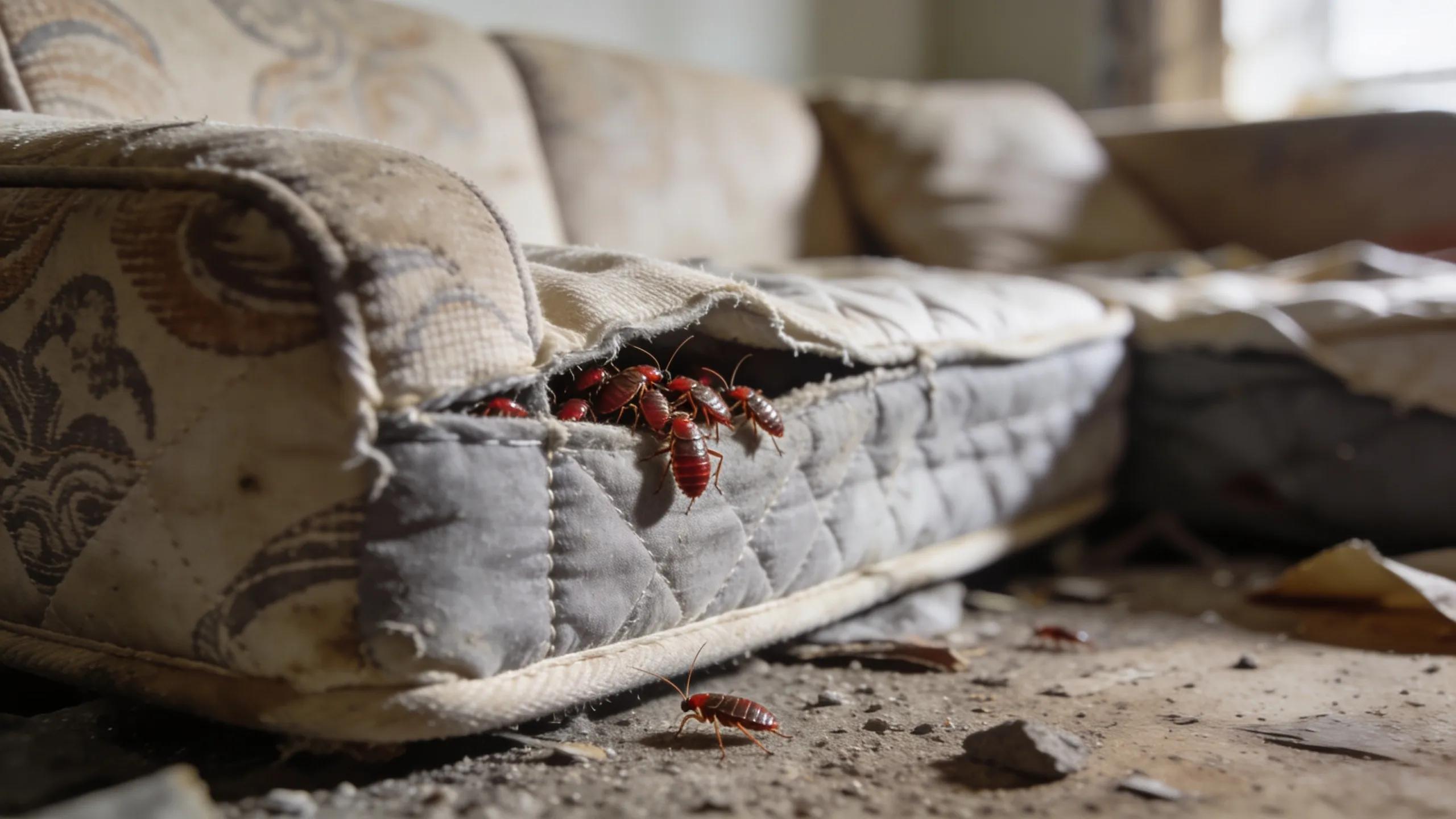
Bed bugs typically conceal themselves in mattress seams, box springs, upholstered chairs, sofas, and fabric folds. They also exploit cracks in wooden furniture, behind veneering, inside electrical outlets attached to furniture, and small crevices under tacks or staples used in upholstery. They prefer narrow crevices behind trim, under cushions, and inside cluttered areas—spots often overlooked during cleanup. Warmth, dark environments, and disorder increase furniture’s attractiveness to these pests, so recognizing these key hiding places is essential for effective prevention and eradication. Removing bed bug infested furniture requires careful handling, and our Bed Bug Furniture Removal Cost Calculator helps you estimate the service cost in advance.
What risks does improper disposal of infested furniture pose?
Discarding infested furniture without containment or treatment poses significant risks of spreading bed bugs to neighbors, apartment complexes, premises within multi-family dwellings, and sanitation workers. Though bed bugs do not transmit diseases, their bites can lead to severe itching, allergic reactions, and potential secondary infections from scratching. Psychological stress, sleep disruption, and financial costs also burden affected individuals. Proper handling and disposal reduce these health, social, and economic risks and nuisance issues.
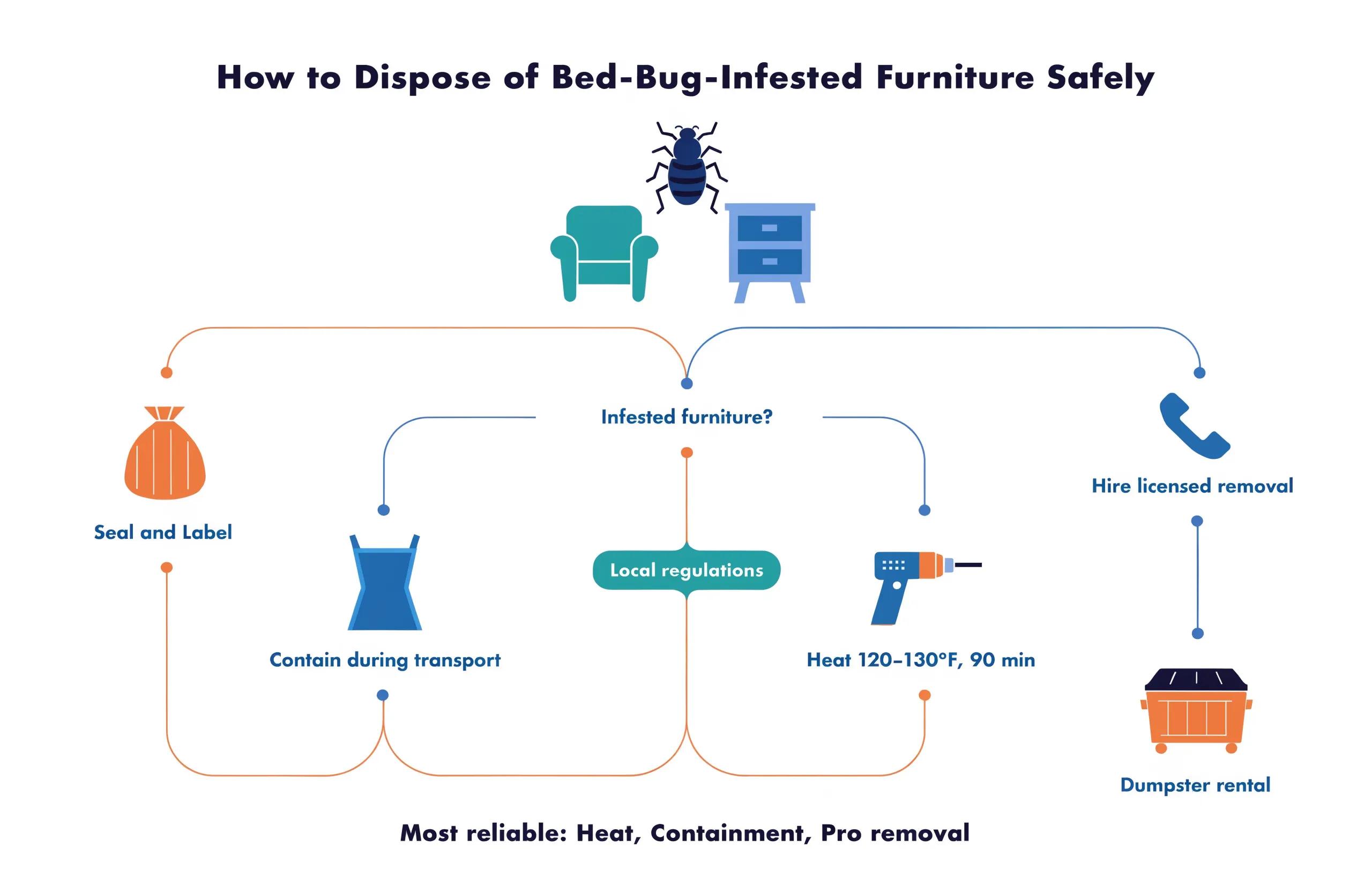
Adhering to clear protocols—such as sealing and labeling infested items and employing licensed removal services—minimizes the chances of further spread. Consider options like dumpster rentals for organized and regulation-compliant disposal that contain and isolate infested materials efficiently.
How does discarding furniture without treatment spread bed bugs?
Relocating untreated, infested furniture inadvertently provides bed bugs with opportunities to migrate and infest nearby units and properties. Even short-distance transport or temporary placement near curbs, dumpsters, or in common areas can start new infestations due to bugs crawling off or escaping in search of hosts. This risk underscores the importance of containment and professional handling from removal to final disposal.
Employing trained professionals to remove and properly treat infested furniture following established guidelines is crucial to halting the spread and protecting surrounding environments. Additional quarantine or monitoring measures may also be recommended in heavily infested cases.
Bed bug infestation: risks of movement and furniture disposal
Global travel, moving infested furniture, and resistance to some control methods all contribute to spread. An integrated pest management (IPM) approach — starting with careful cleaning and removal of infested items — is recommended. (Structural Entomology and Urban Pest Management, 2025)
Professional junk removal services play a vital role in preventing accidental spread during pickup and transport. Experienced technicians can treat or effectively contain infested items prior to removal to protect surrounding properties. Coordination with pest control operators enhances efficacy and reduces reinfestation risks.
What are local regulations for disposal of bed bug–infested items?
Many local authorities enforce rules for handling infested furniture, requiring sealing, labeling, usage of licensed haulers, or specific disposal methods such as dedicated landfill sites or incineration to prevent exposure. Non-compliance can result in fines and increase the community’s infestation risk, undermining public health efforts.
Municipal regulations aim to curb bed bug spread and safeguard public health; these vary by jurisdiction, so verifying local guidelines is essential prior to disposal actions.
Bed bugs: municipal regulations for infested furniture disposal
Thousands of local governments have passed ordinances addressing disposal or sale of furniture and infested materials. These measures respond to the resurgence of bed bug infestations. (D. Schneider, 2019)
Consult your local waste-management or public-health office for specific municipal requirements, which may include mandatory reporting, specialized disposal facilities, or controlled transport documentation. Adhering to these helps protect the community and reduces reinfestation risks.
Which bed bug elimination techniques reduce survival in discarded furniture?
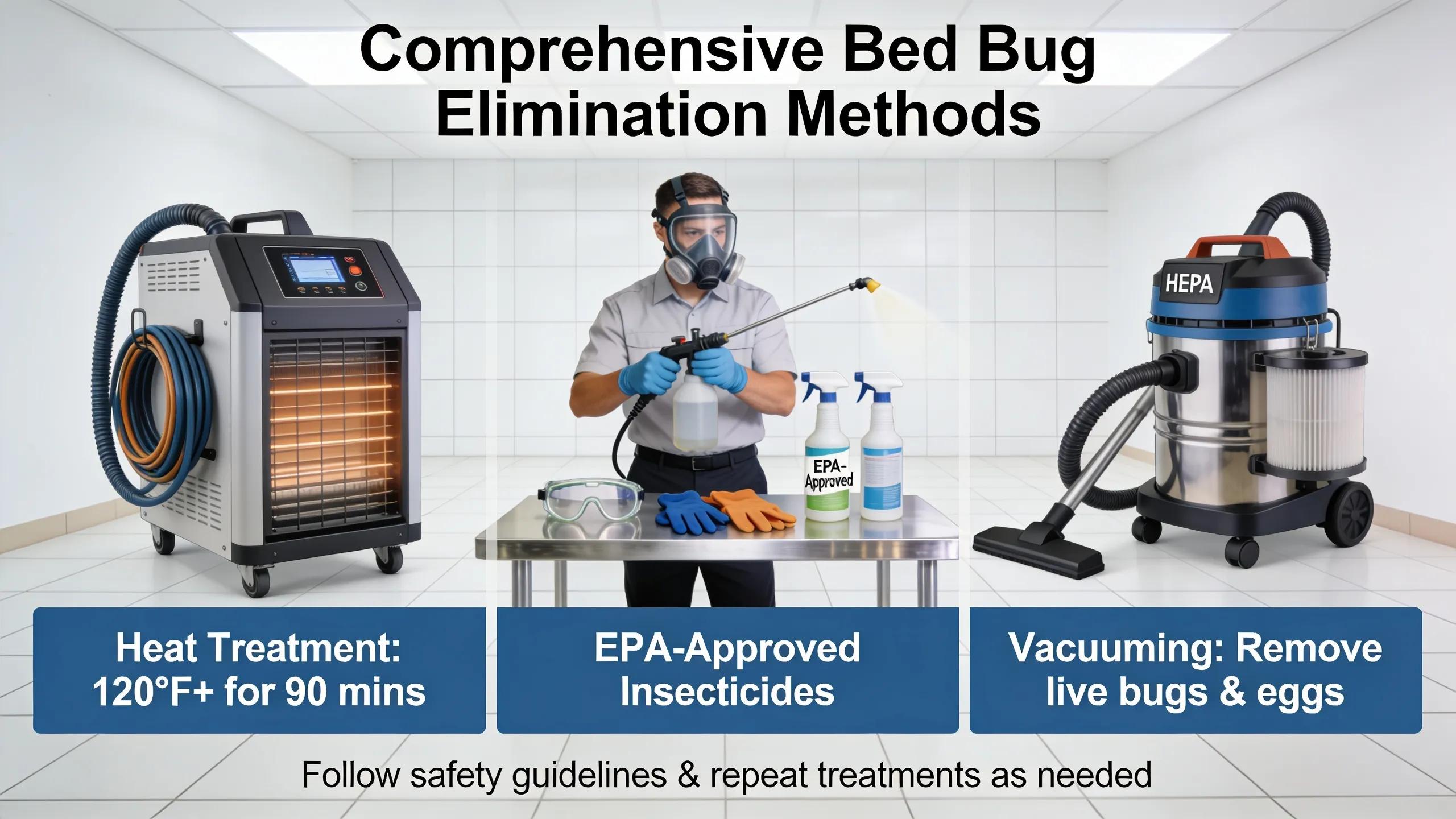
Several effective methods exist to eliminate bed bugs from furniture prior to disposal. Heat treatment remains the most reliable, capable of killing bed bugs at all life stages when correctly applied. Professionals often combine this with targeted chemical treatments, mechanical removal techniques like vacuuming, and hermetic sealing for comprehensive control, adapting strategies based on furniture type and infestation severity.
How effective is heat treatment for killing bed bugs in furniture?
Heat treatment involves exposing furniture to temperatures between 120°F and 130°F for at least 90 minutes, which eradicates bed bugs in most hiding spots including eggs, nymphs, and adults. However, very dense or multilayered items may impede heat penetration, necessitating professional assessment and potentially supplemental measures like chemical treatment or freezing. Additionally, uneven heating or insufficient exposure time risks survival of some bugs.
Combining heat treatment with other professional methods typically ensures the most thorough eradication before furniture removal, reducing the risk of surviving bed bugs reinfesting the environment.
What other pest control methods help eliminate bed bugs before disposal?
Additional effective strategies include hermetic sealing of infested furniture in airtight, heavy-duty plastic, isolating items during transport to prevent escape, and coordinating removal with pest-control experts trained in integrated pest management (IPM). Sealing and clearly labeling furniture items prevents bugs from escaping during handling and protects sanitation personnel and neighbors. Avoid discarding untreated items into public dumpsters to significantly reduce infestation risks.
Other methods include freezing infested items at sufficiently low temperatures for extended periods, steam treatments for surface disinfection, and use of desiccant dusts targeting exoskeletons. Familiarity with and implementation of these techniques significantly decrease the likelihood of bed bugs surviving in discarded furniture.
How do junk removal services and dumpster rentals support safe bed bug disposal?
Professional junk removal services are essential for managing safe disposal of infested furniture. These providers ensure proper containment of items, compliance with local regulations, and secure transport that minimizes exposure risks. This is particularly important for commercial properties, which often handle large volumes of furniture and may face regulatory scrutiny.
Dumpster rentals from reputable vendors offer controlled disposal environments aligned with regulatory standards, helping to reduce community exposure. Junk removal professionals often coordinate their schedules with pest-control treatments to guarantee secure handling from pickup through final disposal. They also provide consultation on best disposal practices and ensure documentation compliance for regulated waste streams.
What are the benefits of professional junk removal for infested furniture?
Hiring professional teams for infested furniture removal provides safety, efficiency, regulatory compliance, and peace of mind. Certified technicians minimize direct exposure to pests, adhere to safe handling protocols, and ensure disposal methods limit pest spread. Their training in pest identification and containment enhances effectiveness. This peace of mind often outweighs the expense for homeowners and property managers alike.
For context, specialized providers commonly charge between $150 to $300 for single-item removal, varying by item size, location, and infestation severity. This fee generally includes secure handling, treatment if necessary, and appropriate disposal.
How does dumpster rental assist in preventing bed bug spread?
Using dumpster rentals offers a designated, monitored place to dispose of infested items, reducing risks of bed bugs escaping or being accessed by unauthorized individuals. Properly managed dumpsters can be sealed or scheduled for prompt pickup, narrowing the time frame in which bugs might spread. Some rental services provide liners or locking lids for added containment.
This method supports homeowners and property managers in discreetly handling infested items while complying with local disposal regulations, also minimizing community exposure and environmental contamination.
What should homeowners and property managers know about bed bug survival in furniture?
A strong understanding of bed bug biology, feeding requirements, and hiding habits empowers better decisions regarding treatment, containment, or disposal. Prompt and methodical action greatly reduces the likelihood of persistent infestations and associated health, financial, and social impacts.
How can understanding bed bug lifespan improve disposal decisions?
Awareness of bed bug survival capabilities emphasizes the importance of rapid intervention and professional assistance. Early isolation and treatment of infested furniture significantly decrease the risk of spreading. Integrating pest control solutions with removal plans ensures the most effective outcomes and prevents costly reinfestations.
What practical tips help prevent bed bug carryover during furniture removal?
Effective precautions include:
- Hiring certified removal teams experienced in pest-related protocols
- Sealing infested furniture in heavy-duty plastic before transport
- Training staff or residents on safe handling procedures and inspection techniques
- Encapsulating items securely during transport to prevent escapes
- Prompt removal to minimize exposure time in shared or common areas
Collaborative efforts among homeowners, property managers, pest control professionals, and junk removal services establish a robust barrier against bed bug spread. If you’re local, learn more about our service area.