
Should You Throw Away a Bed Bug Mattress or Treat It? A Complete Guide to Bed Bug Mattress Treatment Options and Disposal
By AZ TrashMan, Dry Heat Junk Removal & Dumpster Rentals
Deciding whether to throw away a bed bug-infested mattress or treat it can be challenging for many homeowners. Bed bugs are notorious for their ability to hide and reproduce quickly, making an infestation a complex issue that requires immediate attention. This guide will provide you with a comprehensive understanding of treatment options and disposal methods for bed bug mattresses. You’ll learn how to identify bed bug infestations, the effectiveness of various treatments, and when it’s necessary to dispose of a mattress. Additionally, we will explore safe disposal methods, local regulations, and how professional junk removal services, like Dry Heat Junk Removal and Dumpster Rentals, can assist in tackling this problem efficiently.
Treatment Options
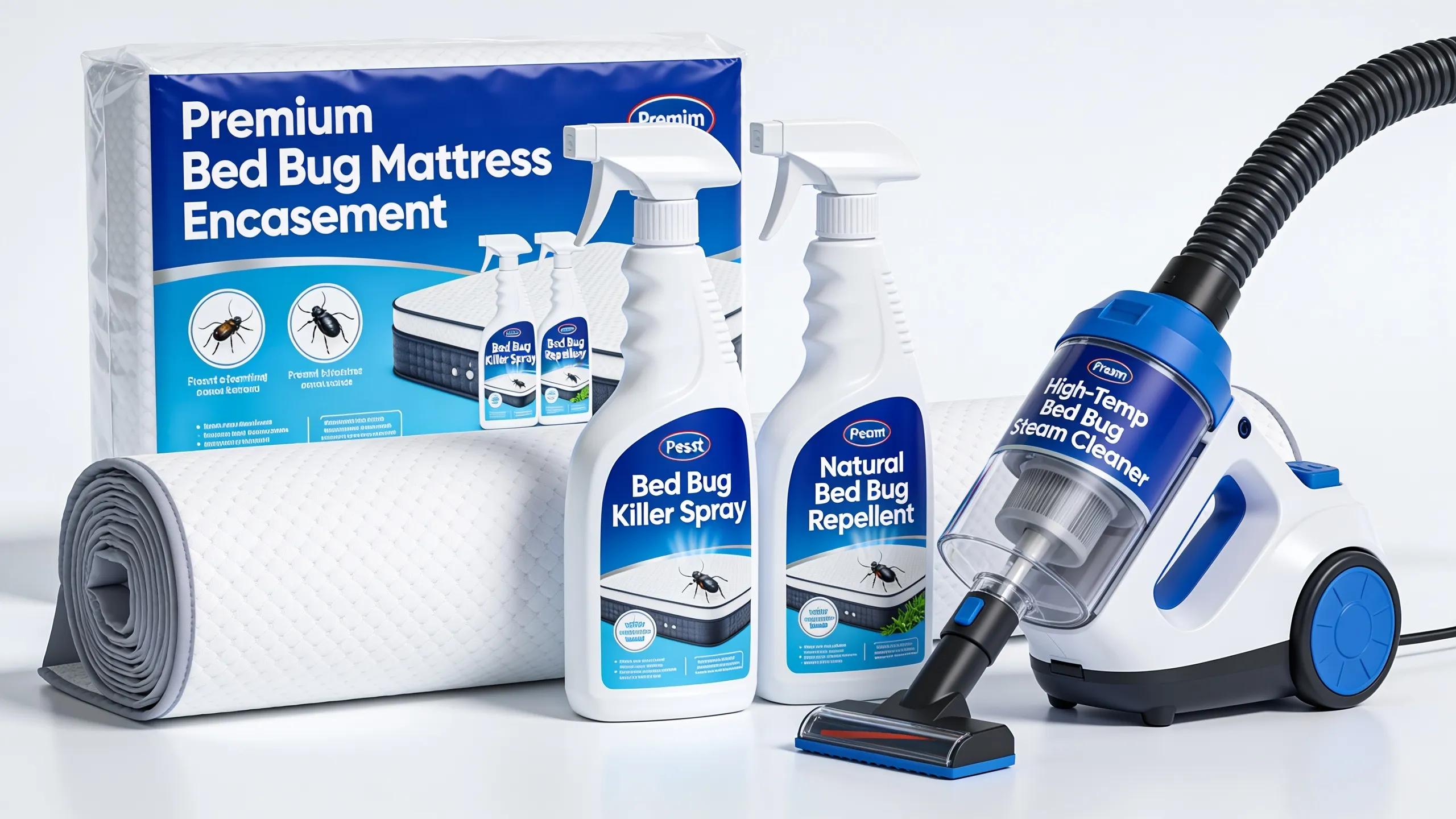
When faced with a bed bug infestation, various treatment options are available depending on the severity of the problem. Treating an infested mattress can involve methods like encasements, professional pest control, and heat treatment. Understanding each option helps you make an informed decision regarding whether treatment or disposal is more appropriate.
Mattress Encasement
A mattress encasement is a protective cover that fully wraps a mattress and serves as a barrier against bed bugs. This effective solution traps any existing bugs and prevents new ones from infesting the mattress. However, it’s critical to choose a high-quality encasement that is specifically designed for bed bug prevention, as the wrong type may not provide adequate sealing. While encasements can significantly reduce the risk of bed bugs, improper handling can lead to damage or escape of pests.
Professional Pest Control
Engaging professional pest control services is another effective treatment option for bed bug-infested mattresses. Specialists employ comprehensive methods that may include chemical treatments, steam cleaning, and thorough inspection of your home. Choosing experts ensures that high levels of infestation are addressed effectively and long-term prevention strategies are implemented. Professionals can also guide homeowners on coordinating efforts to protect other areas of the living environment during treatment.
Heat Treatment
Heat treatment is a scientifically proven method for eliminating bed bugs by raising the temperature of infested items to levels that are lethal for the insects. This method typically requires specialized equipment that heats the affected areas to at least 118°F (48°C) for an extended period. Once treated, proper handling and care of the mattress are essential to prevent re-infestation. While effective, this method should be performed by trained professionals to ensure safety and effectiveness.
Disposal Methods
If treatment options fail or the infestation is severe, disposal may become necessary. Knowing the correct disposal methods for a bed bug-infested mattress is essential to prevent spreading the infestation to other areas, and adhering to local regulations is critical. For effective removal services, consider options like residential junk removal.
Wrapping
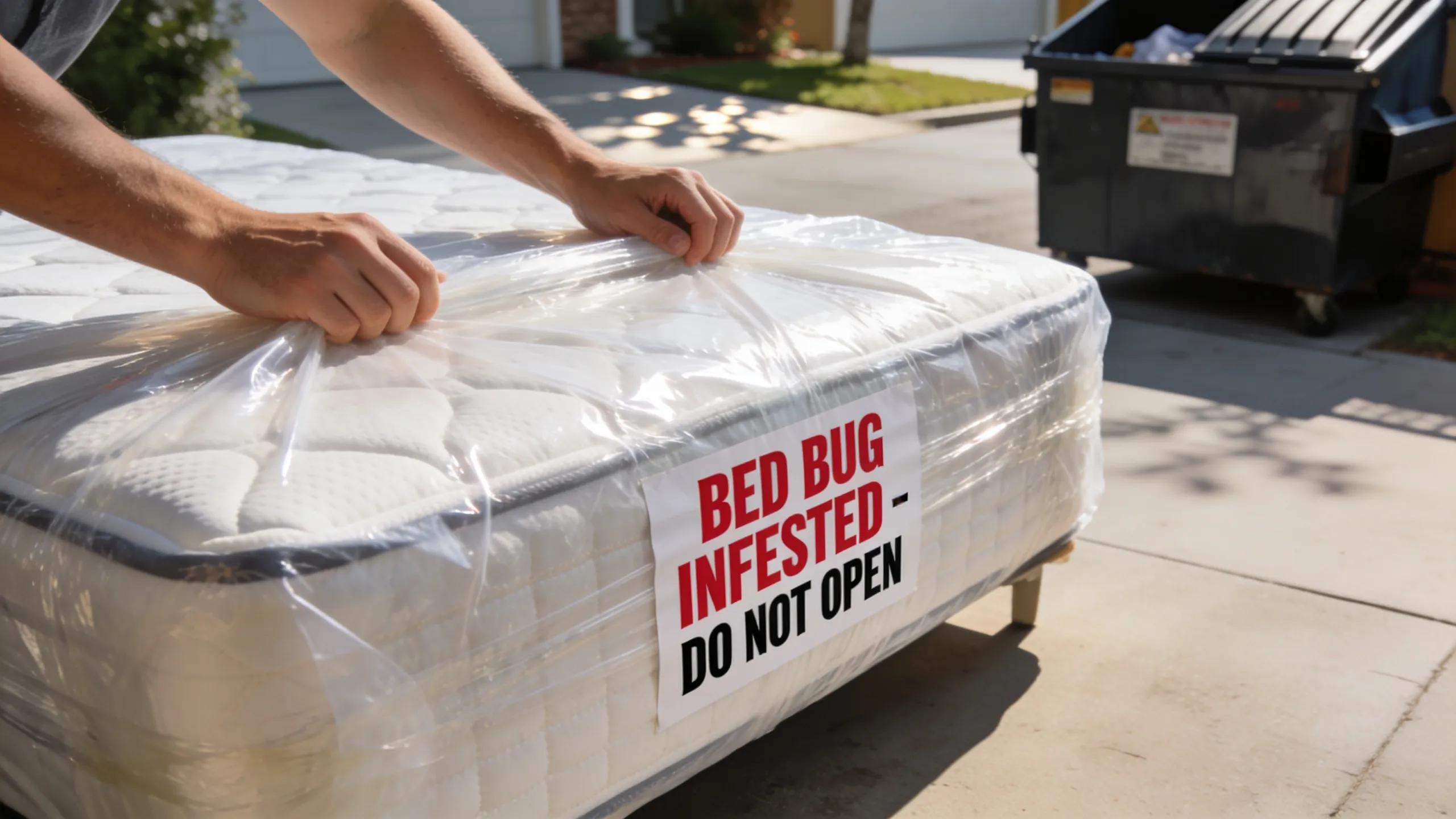
Before disposal, wrapping the mattress is crucial to contain any bed bugs and prevent them from escaping. Use heavy-duty plastic sheeting or mattress bags that can be securely sealed. Proper wrapping minimizes the risk of bed bugs spreading during transportation to disposal sites.
Labeling
Labeling is a critical step in mattress disposal that should not be overlooked. It alerts sanitation workers and the public of the potential hazard. Clear labeling should indicate the mattress is infested with bed bugs to prevent improper disposal. Neglecting this step can lead to legal consequences and increased risk of spreading the infestation.
Professional Removal
Utilizing professional junk removal services is highly recommended for disposing of a bed bug-infested mattress. These services can ensure the mattress is removed and disposed of appropriately, in compliance with local regulations. For residents of the Phoenix region, companies like Dry Heat Junk Removal and Dumpster Rentals specialize in effective mattress disposal and can help you avoid the pitfalls of improper disposal. Explore dumpster rentals for convenient disposal solutions.
Avoiding Public Dumpsters
It’s essential to avoid placing infested mattresses in public dumpsters. This practice poses health risks to sanitation workers and the community, as the bed bugs can spread to other locations. Additionally, many areas impose fines for improperly disposing of infested items, making professional disposal a more viable option.
Key Considerations
When deciding whether to treat or dispose of a mattress, several factors should be considered. Understanding the timing of removal and evaluating potential health risks will help inform your decision.
- Removal Timing: Addressing an infestation quickly can prevent further spread. Delaying removal can worsen the situation and lead to additional costs and complications.
- Health and Safety: Bed bugs can cause a range of health issues, including allergic reactions and skin irritations. Ensuring the safe removal of infested items is crucial for maintaining a healthy home environment.
- Cost-Effectiveness: Assess whether the cost of treatment outweighs the expense of purchasing a new mattress and ensuring effective disposal.
Before scheduling your pickup, use our Bed Bug Removal Cost Calculator to get a fast estimate based on the items you need to dispose of.
How Can You Identify a Bed Bug Mattress Infestation?
Identifying a bed bug infestation involves observing specific signs that indicate their presence in or on a mattress. Regular inspection and awareness of these signs are crucial for effective management.
- Bites and Skin Reactions: Many individuals experience bites that lead to itchy welts, which may result from bed bug feeding during the night.
- Physical Markers: Look for small dark spots (fecal matter) or shed skins, which are physical indications of a bed bug infestation.
- Behavioral Signs: Checking for unusual nocturnal activity or difficulty sleeping can also signal a possible infestation.
What Are the Common Signs of Bed Bugs in a Mattress?
Common signs of bed bugs in a mattress include:
- Bite Marks: Often appear as red, itchy welts on the skin.
- Fecal Stains: Small, dark, and rust-colored spots located on the mattress or bedding.
- Presence of Eggs: Tiny white eggs or eggshells can often be found in seams and crevices.
Recognizing these indicators early on is vital for effective intervention strategies.
How Do You Confirm Bed Bug Infestation Before Deciding on Treatment or Disposal?
Confirming a bed bug infestation involves a series of methods:
- Inspection Techniques: Use a flashlight to inspect seams, folds, and under the mattress to look for bugs, eggs, or fecal stains.
- Professional Guidance: If uncertainty lingers, hiring pest control professionals can provide confirmation and expert recommendations.
- Staging the Decision: Understanding the extent of the infestation is critical before deciding to treat or dispose of the mattress.
What Are the Effective Bed Bug Mattress Treatment Options?
Evaluating treatment options can guide your response to a bed bug infestation. The main strategies include:
- Chemical Treatments: Various insecticides are available, but care must be taken to adhere to application guidelines to ensure safety.
- Physical Removal: Vacuuming and steam cleaning can physically remove bugs from surfaces, providing immediate relief.
- Combination Approaches: Using heat treatment along with chemical options can maximize effectiveness, depending on the infestation’s severity.
When Is It Necessary to Dispose of a Bed Bug Infested Mattress?
Several indicators may suggest the need to dispose of a bed bug-infested mattress, including:
- Severe Infestation Signs: Presence of numerous bugs or an extensive area infested may warrant disposal.
- Cost Comparisons: Assess whether the costs of treatment, including potentially recurring treatments, exceed the cost of a new mattress.
- Health Implications: Ongoing exposure to bed bugs can result in persistent health issues.
What Factors Indicate Mattress Disposal Over Treatment?
Key considerations when weighing disposal versus treatment can include:
- Physical Conditions: Compromised integrity of the mattress can make treatment ineffective.
- Economic Rationales: Consideration of long-term costs and the potential for recurrent infestations should influence the decision.
- Health Risk Assessments: Important to evaluate the impact any remaining bed bugs could have on health and wellness.
How Do Local Regulations and Environmental Considerations Affect Mattress Disposal?
Understanding local regulations can impact how mattresses are disposed of. Many municipalities have specific guidelines for disposing of infested mattresses. For example, some areas may require that infested mattresses be treated or sealed before disposal. Additionally, adhering to environmental considerations, such as ensuring proper waste management to avoid introducing pests into new environments, is crucial.
How to Safely Dispose of a Bed Bug Mattress Using Junk Removal and Dumpster Rental Services?
Using professional junk removal and dumpster rental services can ensure the safe disposal of an infested mattress. Here are steps for utilizing these services effectively:
- Securing Removal Services: Research local companies specializing in bed bug disposal, ensuring they are knowledgeable about regulations and safety measures. Companies such as Dry Heat Junk Removal offer specialized services.
- Understanding the Rental Process: If using a dumpster via dumpster rentals, ensure proper sealing and labeling of the mattress within the unit.
- Coordinated Approaches: Work with the service provider to verify that disposal methods comply with local environmental laws.
What Are the Steps for Bed Bug Mattress Removal by Professionals?
Professional removal typically follows specific procedures:
- Inspection and Planning: Professionals assess the extent of the infestation and develop a removal plan.
- Sealing and Containment Measures: After removal, the mattress is sealed to prevent bugs from escaping.
- Compliance with Regulations: Finally, the disposal techniques will conform to all local regulations to ensure safe and responsible disposal. Companies like Dry Heat Junk Removal will manage this process.
How Do Dumpster Rentals Support Efficient Mattress Disposal?
Utilizing dumpster rentals can streamline the process of mattress disposal. Advantages include:
- Convenience: Having a dumpster rented for specific durations can free up space and provide a straightforward disposal method.
- Cost-Effective: Renting a dumpster may be more economical compared to multiple trips to disposal sites.
- Environmental Compliance: Proper waste handling helps in reducing the risk of pest reintroduction into the environment.
How Can You Prevent Future Bed Bug Mattress Infestations?
Prevention is key to maintaining a bed bug-free environment. Effective tactics include:
- Inspection Protocols: Regularly inspecting mattresses and surrounding areas can catch infestations early.
- Cleanliness Maintenance: Keeping living spaces clutter-free will reduce hiding spots for potential pests.
- Community Education Initiatives: Educating the public on the signs of bed bugs can help curb spread and improve pest management.
What Role Do Mattress Encasements Play in Bed Bug Prevention?
Mattress encasements act as a barrier that helps in preventing future infestations. Consider these key aspects:
- Effectiveness: Properly fitted encasements create a protective seal that traps bed bugs already present and prevents new bugs from entering.
- Installation Best Practices: Ensure encasements are properly fitted without gaps to maximize their effectiveness in prevention.
Which Best Practices Help Maintain a Bed Bug-Free Mattress Environment?
To maintain a bed bug-free mattress, adhering to best practices is critical:
- Regular Inspections: Routinely check your mattress and bedding for signs of pests.
- Routine Cleaning: Wash bedding and vacuum regularly to eliminate potential nesting sites.
- Community Education: Engage in discussions about pest management and prevention strategies with peers and neighbors.
What Are the Typical Costs and How Can You Choose the Right Bed Bug Mattress Service?
When considering service providers, it’s important to evaluate cost versus quality:
- Typical Cost Ranges: Various treatments can range from $100 for initial treatments to $500 or more for comprehensive removal strategies, depending on the severity.
- Factors Affecting Prices: Consider aspects like the size of the affected area and method of treatment.
- Choosing the Right Service: Opt for providers with verified experience in dealing with bed bugs and positive reviews from previous customers. For instance, exploring services like Dry Heat Junk Removal can provide insights into their expertise.
How to Select Reliable Bed Bug Mattress Removal and Treatment Services Locally?
Selecting the right service is crucial for effective pest management:
- Specialization: Ensure the provider specializes in bed bug issues.
- Compliance with Health Regulations: It’s important that they follow health guidelines for safety.
- Availability: Look for local service options that can respond quickly to emergencies. Consider the service area of providers like Dry Heat Junk Removal.