
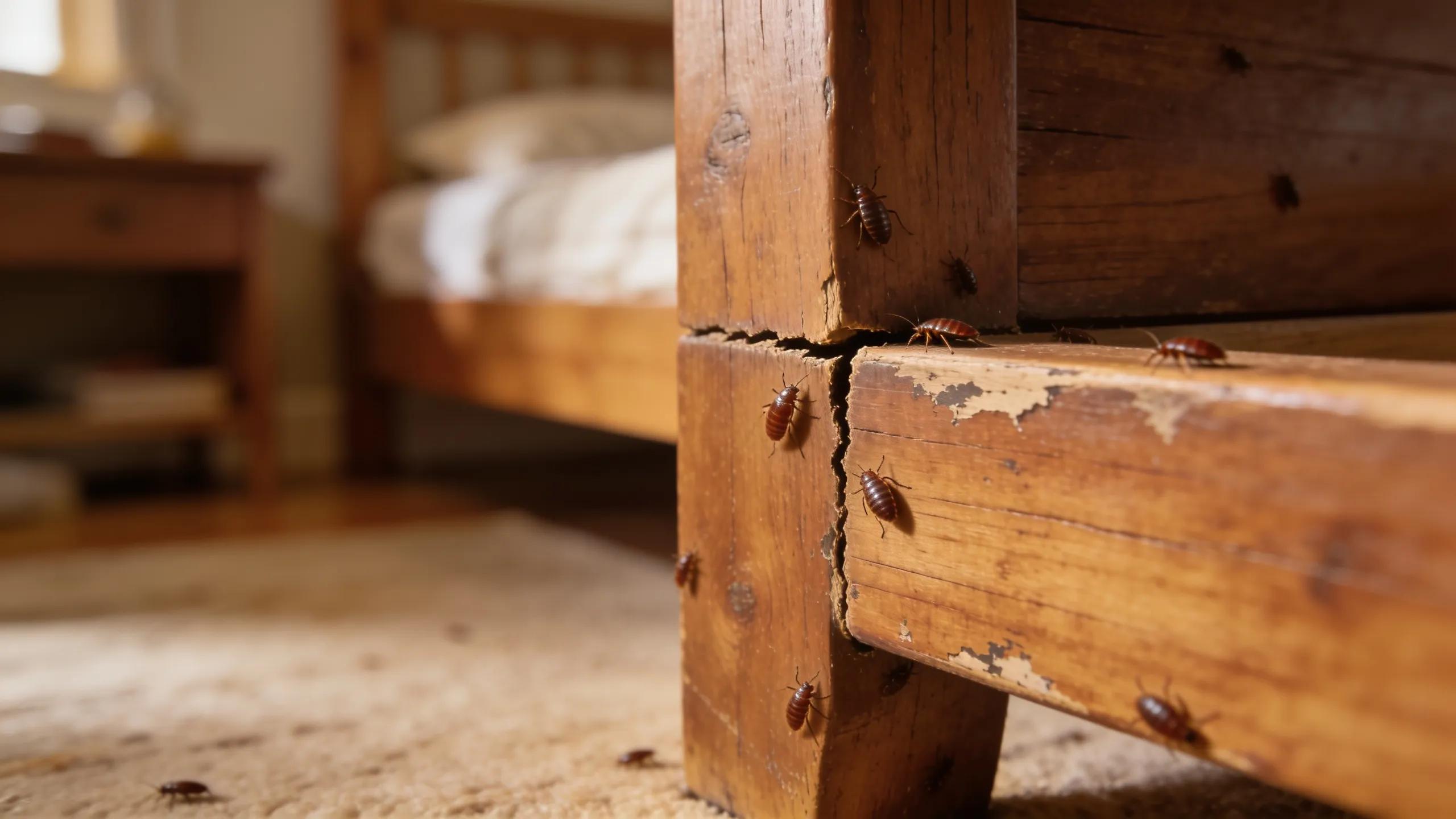
Can Bed Bugs Live Inside Wooden Furniture? A Complete Guide to Identification, Treatment, and Removal
By AZ TrashMan, Dry Heat Junk Removal & Dumpster Rentals
Bed bugs are notorious for infesting various spaces, often leading to significant distress for homeowners and renters alike. One common concern is whether these pests can inhabit wooden furniture, which can complicate identification and treatment efforts. This comprehensive guide will provide insights into the biology and behavior of bed bugs, effective identification methods, treatment options, and best removal strategies. Understanding these elements is crucial for efficiently addressing infestations. Additionally, we will explore the benefits of professional junk removal services—especially for disposing of infested wooden furniture.
The following sections will cover key areas: identification methods to spot bed bugs in wooden furniture, effective treatment options available, removal strategies including professional services, important considerations to keep in mind, and preventative measures to reduce the risk of future infestations.
Identification Methods for Bed Bugs in Wooden Furniture:
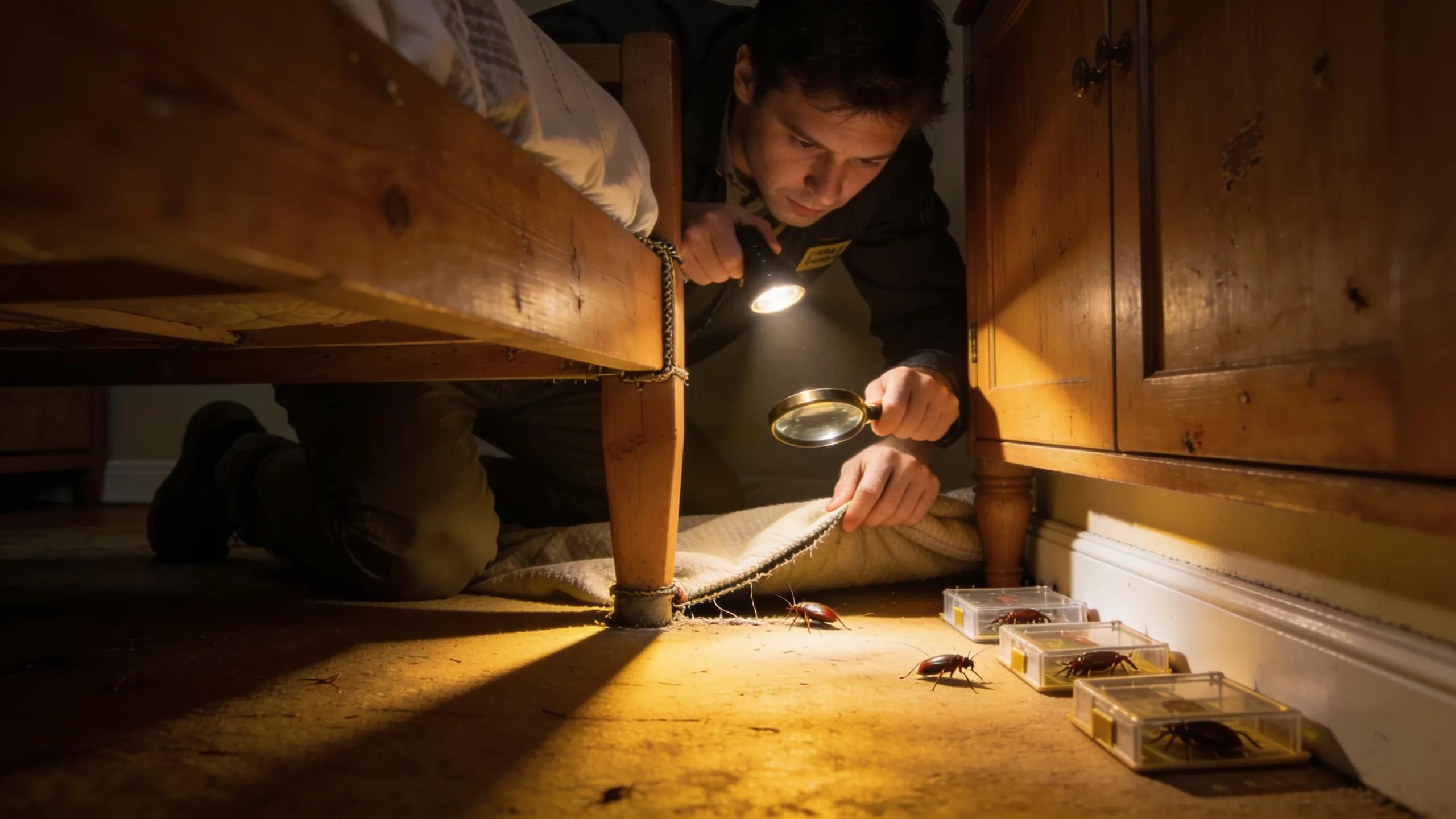
Identifying bed bugs in wooden furniture can be challenging, but several methods are effective in detecting their presence. Successful identification often relies on careful inspection of the furniture and understanding the typical signs of an infestation. Homeowners should look for visual cues as well as physical evidence during their examinations.
- Visual Inspection: Begin with a thorough visual inspection of the furniture. Check all seams, joints, and crevices, as these areas are attractive hiding spots for bed bugs.
- Check Seams and Joints: Bed bugs often hide in the seams and joints of wooden furniture. Pay close attention to areas where two pieces of wood meet or where upholstery meets the furniture frame.
- Use of Traps: Consider using bed bug traps specifically designed for this purpose. These traps can help monitor for activity and presence, providing useful information about the infestation level.
Employing these methods can vastly improve the chances of detecting an infestation early in its development, allowing for timely and effective intervention.
Treatment Options:
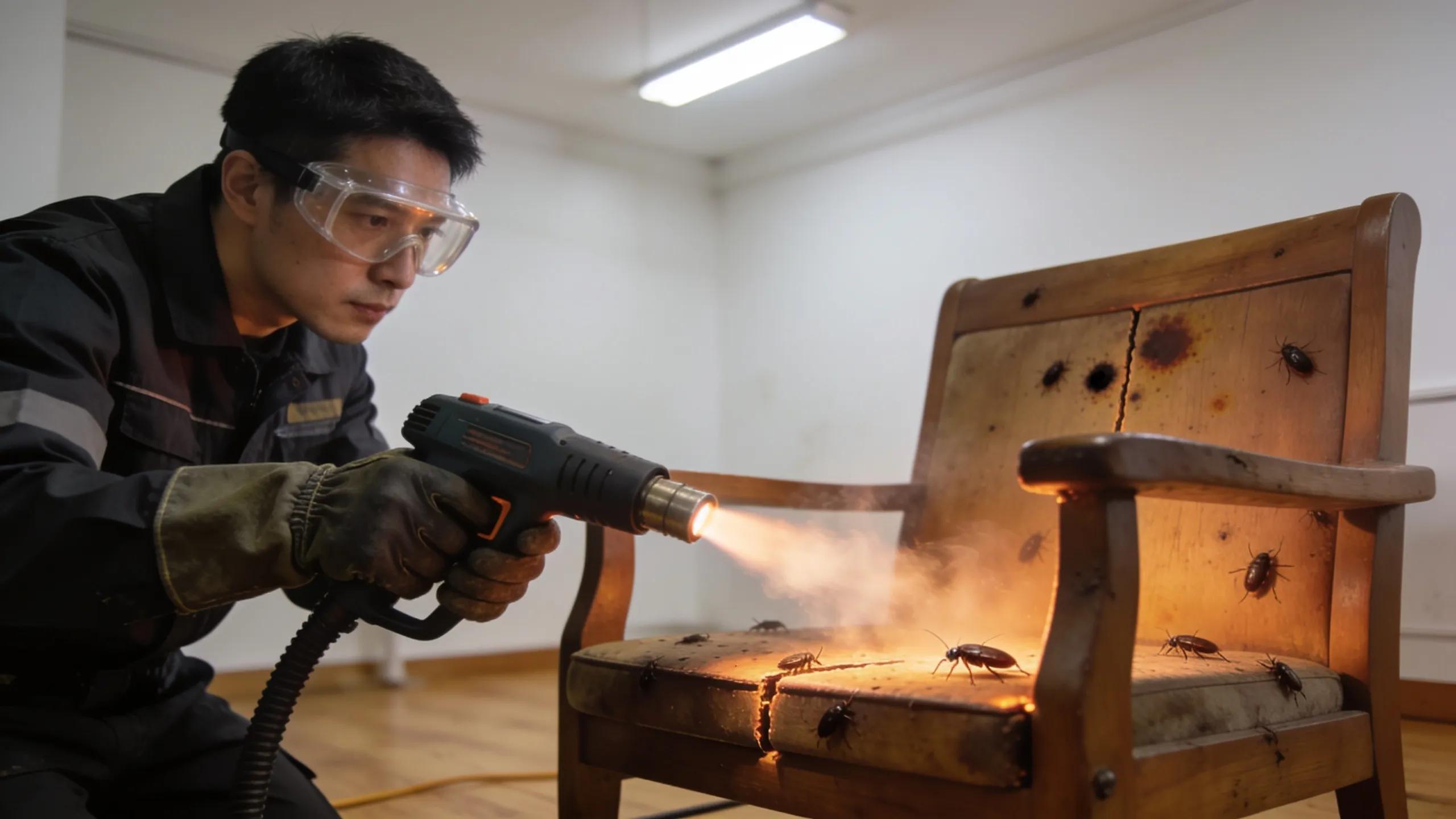
When faced with a bed bug infestation in wooden furniture, it’s essential to explore various treatment options to eradicate the pests effectively. Each method varies in effectiveness, cost, and suitability depending on the severity of the infestation.
Here’s a breakdown of effective treatment methods:
Professional pest control services offer comprehensive solutions with high effectiveness against bed bugs. Heat treatment is particularly effective, raising temperatures to levels lethal for bed bugs. Chemical treatments can also assist in eradication but may require multiple applications for effectiveness.
Note: Always consider the safety of the chemical treatments around pets and children. Consulting with professionals ensures that all precautions are taken.
Removal Strategies:
Once identified, removing infested furniture safely is critical. Following proper protocols ensures minimal spread of bed bugs to other areas and reduces health risks.
- Containment Protocols: Ensure that infested furniture is sealed in plastic bags or covers before removal to prevent any potential escape of bed bugs during transport.
- Importance of Professional Removal: Utilizing professional junk removal services can provide peace of mind. These services are equipped to handle hazardous infestations safely, ensuring that all protocols are followed to minimize exposure.
- Labeling and Responsible Disposal: Clearly label any infested furniture to alert others and ensure that proper disposal methods are used, adhering to local regulations regarding pest-infested materials.
Taking these steps can minimize risks and facilitate a smoother removal process while addressing the infestation effectively. Every bed bug removal situation is different, so our Bed Bug Removal Cost Calculator helps you get a more personalized estimate based on your items.
Important Considerations:
While treating bed bugs in wooden furniture, several factors must be considered to ensure effective management and compliance with legal regulations.
- Health and Safety Issues: Consider potential health risks associated with exposure to pesticides or the physical displacement of infested furniture.
- Legal Compliance in Disposal: Many areas have regulations regarding the disposal of pest-infested materials. Understanding these laws can help avoid any legal complications.
- Avoiding DIY Treatments: Relying solely on DIY treatments without professional insight can sometimes worsen the situation. Hence, seeking expert help is highly recommended when facing severe infestations.
By keeping these considerations in mind, homeowners can navigate the treatment and removal process more effectively.
What Is the Biology and Behavior of Bed Bugs That Affect Wooden Furniture?
Understanding the biology and behavior of bed bugs can illuminate why wooden furniture is often a prime target for their infestations. These pests capitalize on the unique attributes of wood to establish their nests.
How Do Bed Bugs Live and Hide in Wooden Furniture Cracks and Joints?
Bed bugs possess the remarkable ability to squeeze into tight crevices and joints within wooden furniture. Their flattened bodies allow them to access spaces that may seem too narrow for other insects.
Typical hiding spots include:
- Inside the seams of upholstered items.
- In small cracks along the edges of wood pieces.
- Near joints where wood parts connect.
Why Is Wooden Furniture a Common Hiding Place for Bed Bugs?
The structural properties of wood make it an attractive refuge for bed bugs. The warmth and shelter it provides allow them to thrive away from disturbances, facilitating their reproduction and survival.
Factors contributing to the prevalence in wooden furniture include:
- Warmth and Comfort: Bed bugs are drawn to warm environments that mimic the presence of a human host.
- Structure of Wood: The accessibility and texture of wooden surfaces offer ideal conditions for concealment.
- Access Within Homes: Wooden furniture often occupies spaces close to sleeping areas, increasing the likelihood of bed bug encounters.
Recognizing these behaviors is essential for improving detection and prevention strategies.
What Are the Common Signs of Bed Bug Infestation in Wooden Furniture?
Identifying the signs of a bed bug infestation early is critical to effectively managing the problem. Households need to be vigilant to recognize the various indicators that these pests might be present.
- Visual Indicators of Presence: Look for physical evidence such as live bed bugs, eggs, or shed skins, which often appear in crowded spaces within the furniture.
- Shed Skins and Droppings: Bed bugs frequently molt, leaving behind their exoskeletons. Additionally, dark spots of fecal matter may also accumulate in hiding spots.
- Differences Seen in Furniture Compared to Mattresses: Unlike mattresses, where signs can be clustered due to direct contact with hosts, wooden furniture might show scattered signs across various locations due to less direct exposure.
Early identification of these signs can prevent a larger infestation and simplify treatment processes.
How to Identify Visual and Physical Indicators of Bed Bugs in Wood?
There are specific indicators to monitor when inspecting wooden furniture for bed bugs:
- Small, reddish-brown spots (fecal stains) typically near hiding places.
- Tiny eggs that resemble grains of rice, often found in crevices.
- Sightings of live insects during evening inspections, when they are most active.
What Are the Differences Between Bed Bug Signs in Furniture and Mattresses?
While the signs of bed bugs can be similar in both furniture and mattresses, some differences exist. Furniture generally displays more scattered fecal stains, while mattresses may have concentrated areas due to direct contact with sleeping humans. Noting these distinctions can help guide treatment approaches.
Which Methods Effectively Treat Bed Bug Infestation in Wooden Furniture?
Considering the options available, specific methods have been shown to be effective in treating bed bug infestations in wooden furniture. Each treatment option has its unique application methods and considerations to keep in mind.
Effective treatment methods include:
- Professional Heat Treatments: Often regarded as one of the best methods, this involves raising the core temperature of the wood, effectively eliminating all life stages of bed bugs.
- Chemical Treatments: Utilizing insecticides designed for bed bugs and following label guidelines can help eradicate the infestation effectively.
- Encapsulation Procedures: Sealing infested furniture with bed bug-proof covers can prevent their escape and limit reproduction while awaiting treatment.
Selecting the appropriate treatment method is crucial for effective management and eradication.
When and How Should You Use Junk Removal Services for Infested Wooden Furniture?
Engaging junk removal services can be a practical solution when dealing with significant infestations in wooden furniture. Knowing when and how to utilize these services effectively can streamline the removal process.
- Urgent Removal Scheduling: Arrange for professional junk removal when infested furniture poses a risk to other areas of the home or when the infestation is severe.
- Post-Treatment Service: If infestations persist after initial treatments, junk removal services can help to safely dispose of infected furniture.
- Compliance with Health Regulations: Professional services ensure that the disposal procedures comply with local health regulations, reducing risks of further infestation.
Utilizing these services can enhance safety and effectiveness during the pest removal process. For comprehensive disposal needs, consider dumpster rentals, which can support safe disposal of infested wood.
Why Choose Professional Junk Removal for Bed Bug Infested Furniture?
Engaging professional junk removal services provides numerous benefits, particularly for those dealing with infested furniture.
- Specialized Equipment: Professionals are equipped to handle hazardous waste, ensuring safe removal and disposal of infested items.
- Legal Compliance and Discretion: Professional services adhere to waste disposal regulations, mitigating any potential legal issues. Their discretion in handling infested items can also alleviate embarrassment for homeowners.
- Efficient and Safe Processes: Trained staff ensure removal procedures are conducted swiftly and with minimal disruption, allowing homeowners to focus on recovery and prevention efforts.
Hiring professionals for this task can safeguard against further complications and ensure effective resolution. Explore options for both residential and commercial services.
How Do Dumpster Rentals Support Safe Disposal of Bed Bug Infested Wood?
Dumpsters can play an essential role in the safe disposal of bed bug-infested wooden furniture. Proper containment and disposal practices are key components of managing infestations.
- Proper Containment Techniques: Utilizing a dumpster allows for the containment of infested furniture while awaiting transport. This approach minimizes the risk of bed bugs spreading during the process.
- Legal Considerations in Disposal: Many communities have specific regulations regarding the disposal of pest-infested materials. A dumpster rental can help ensure compliance with these regulations.
- Timing and Scheduling Removals: Organizing a dumpster rental to coincide with furniture removal can streamline the process and enhance efficiency for both homeowners and removal teams.
Incorporating dumpster rentals can significantly improve the safety and efficacy of dealing with infested furniture disposal. Visit junk removal services for more information.
What Preventative Measures Help Avoid Bed Bug Infestation in Wooden Furniture?
Preventing bed bugs from infesting wooden furniture is just as crucial as addressing current infestations. Being proactive can save time, money, and emotional distress.
- Regular Inspections: Periodically check wooden furniture, particularly in rooms where bed bugs are known to thrive.
- Education and Awareness: Understanding bed bug behaviors and signs can empower homeowners to take action swiftly.
- Avoiding Salvage of Infested Items: Avoid purchasing used wooden furniture unless you are confident about its condition, as these items can often harbor hidden infestations.
By implementing these measures, homeowners can significantly reduce the chances of encountering bed bugs in their living spaces.
How to Maintain Wooden Furniture to Prevent Bed Bug Hiding and Spread?
Consistent maintenance of wooden furniture can deter bed bugs from making it their home. Here are some effective tips:
- Cleaning Tips: Regularly vacuum and dust wooden furniture, with particular attention to seams and joints where bugs may hide.
- Inspection Schedules: Schedule a routine inspection every few months to catch any signs of infestations early.
By maintaining a clean and organized environment, you can lower the risks associated with bed bugs.
What Are Early Detection Practices for Bed Bugs in Furniture?
Early detection of bed bugs can prevent larger infestations and minimize damage. Practical early detection practices include:
- Monitoring Behaviors: Be vigilant in watching for signs of increased bites or unusual behaviors from pets, which could indicate a presence of bed bugs.
- Signs of Infestation: Be aware of physical signs such as fecal spots or shed skins in and around wooden furniture areas.
Integrating these practices into household routines can bolster the effectiveness of the overall pest control strategy, allowing for a healthier living environment.