How Hotels Should Handle Bed Bug Mattress Disposal: A Practical Step-by-Step Guide
By AZ TrashMan — Dry Heat Junk Removal & Dumpster Rentals
Bed bug outbreaks are a serious operational and reputational risk for hotels. This guide lays out a clear, actionable process for identifying, containing, and disposing of infested mattresses so hotels can protect guests, staff, and property. You’ll find the key steps, safety measures, and compliance considerations needed to stop spread, limit liability, and restore room readiness after an infestation.
Comprehensive Guide: Disposing Bed Bug–Infested Mattresses in Hotels
Proper disposal of infested mattresses reduces the chance of re‑infestation and helps preserve guest safety and trust. Mishandling contaminated items can lead to higher pest control bills, guest complaints, and potential legal exposure. This guide walks hotel staff through each stage of safe disposal, from initial assessment to final documentation. For hotels that prefer outside help, consider professional junk removal services to make the process smoother and more secure.
Step-by-Step Procedures:
A consistent, methodical approach makes disposal efficient and compliant. Follow these steps to manage infested mattresses safely.
Identification and Containment:
The first move is to confirm and isolate the issue. Flag affected rooms immediately and restrict access to prevent staff or guests from moving contaminated items. Use sturdy containment — like heavy plastic bags or covers — to keep bed bugs from spreading. Early, decisive containment sets up every subsequent step for success.
Professional Assessment:
Contact a licensed pest control professional as soon as infestation is suspected. Technicians can determine whether mattress disposal is necessary and recommend the correct treatment and removal sequence. Their assessment informs safe, compliant next steps and reduces the chance of unnecessary disposal.
Preparation for Removal:
Plan removals during low‑occupancy times to limit disruption. Hiring trained commercial junk removal teams ensures experienced crews handle containment and transport. Equip all personnel with appropriate PPE — gloves, masks, and coveralls — and brief them on traffic flow and staging to avoid cross‑contamination.
In-Room Encapsulation:
Wrap infested mattresses in heavy‑duty plastic sheeting and seal all seams thoroughly. Proper encapsulation prevents escape during handling and transport. Apply the same protective wrapping to other infested furniture or bedding to ensure full containment before moving items out of the room. Instead of guessing the price of mattress disposal, use our Bed Bug Mattress Removal Cost Calculator to get an instant estimate online.
Discreet Transport:
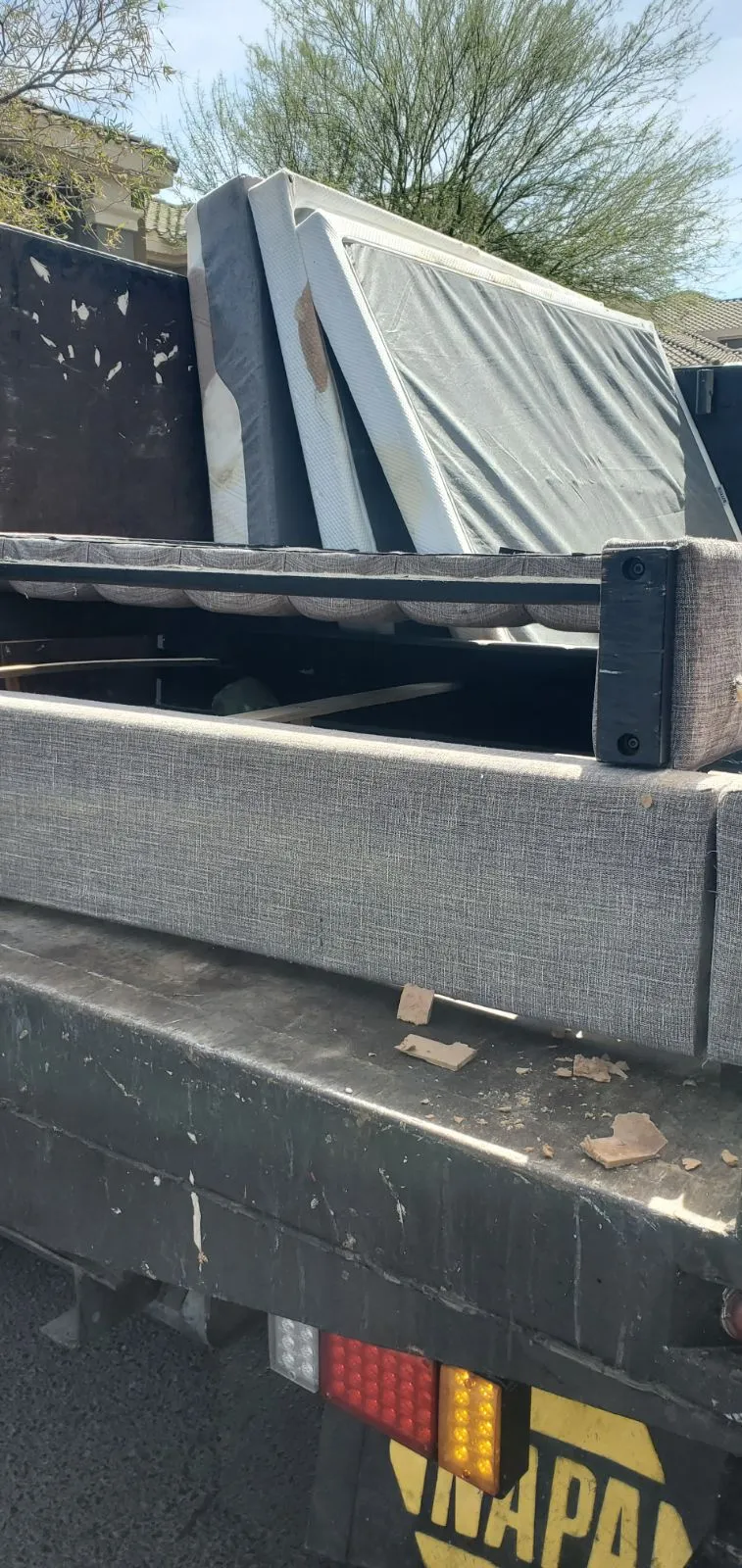
Move encapsulated items with discretion to avoid alarming guests. Use enclosed vehicles and covered routes where possible, and schedule transfers to minimize public visibility. Keeping the removal low‑profile protects guest experience while reducing panic and misinformation.
Proper Disposal:
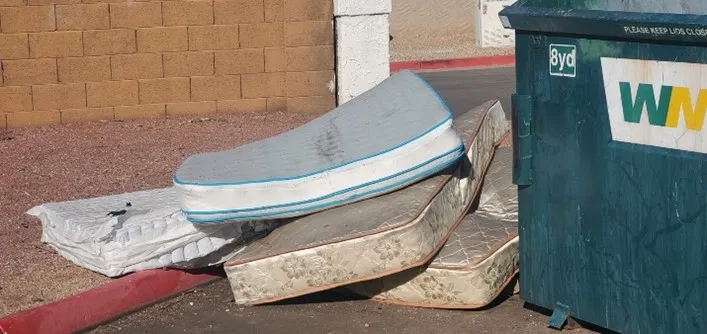
Deliver sealed mattresses to authorized disposal facilities and mark them to prevent salvage. Follow all local health and waste regulations for contaminated material. Proper disposal removes the pest threat from circulation and prevents accidental reintroduction into other properties.
Post-Removal Protocol:
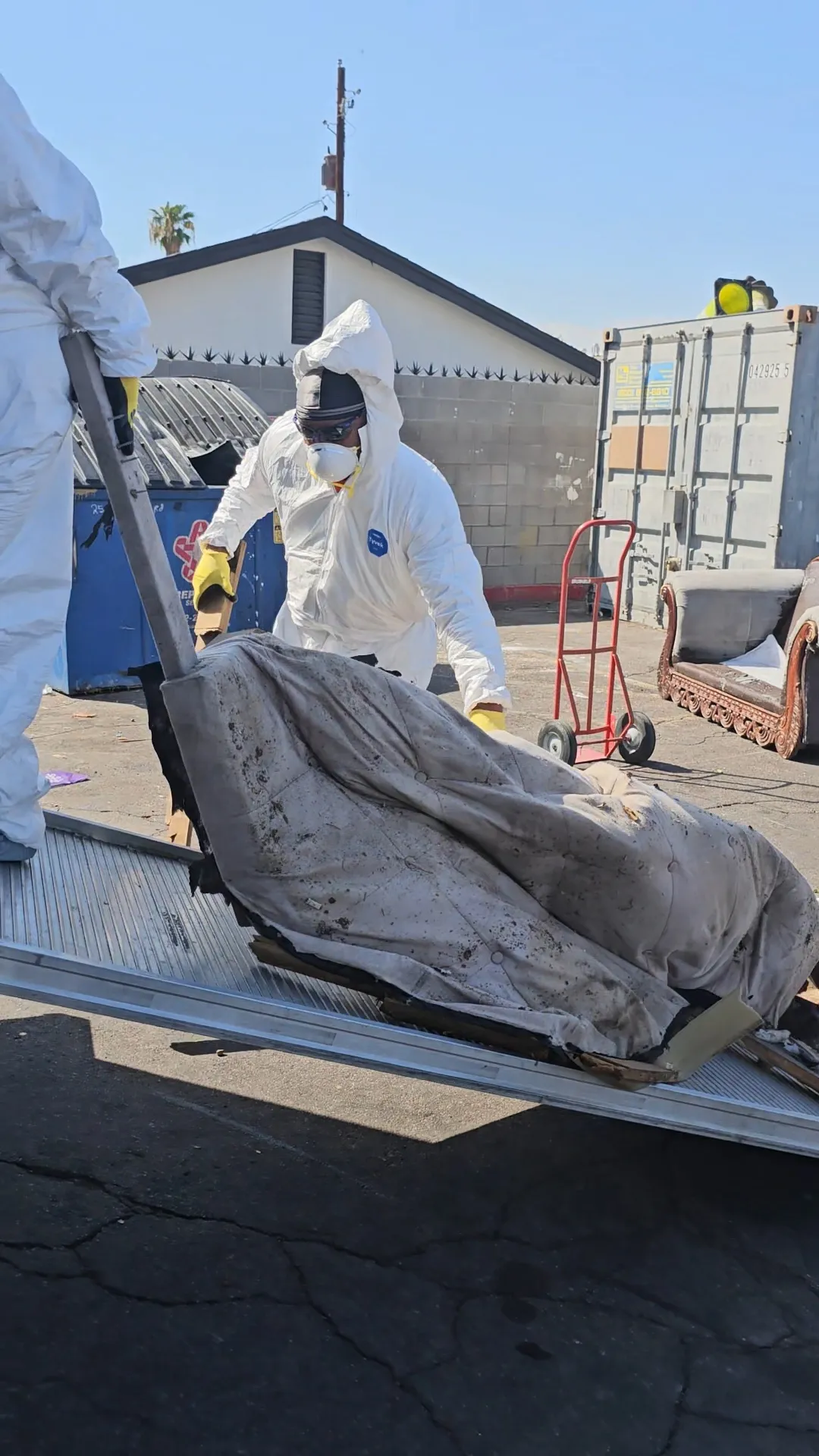
After removal, perform a full inspection and any recommended treatments with your pest control partner to confirm the room is clear. Sanitize surfaces and replace disposables as needed. Keep a chronological record of actions taken and materials removed to support compliance and internal audits.
Documentation:
Thorough records help demonstrate due diligence. Keep invoices from removal services, pest control reports, and internal logs of who handled the items and when. Clear documentation protects the hotel in disputes and supports regulatory compliance. Learn more about coordinating services and recordkeeping by reviewing provider offerings.
Safety Protocols:
Staff training and PPE are essential. Teach teams how to recognize infestation signs, how to encapsulate items, and which hygiene steps to follow after handling contaminated materials. Regular drills and clear SOPs reduce exposure risk and ensure consistency across shifts.
Best Practices for Hygiene and Guest Safety:
Regular inspections, transparent guest communication, and preventive investments (like staff training and monitoring tools) build trust and reduce recurrence. When guests know steps are being taken and see visible diligence, hotels maintain reputation while managing risk effectively.
Containment
Effective containment strategies keep bed bugs from spreading through public spaces. Plan for safe staging, transit routes, and temporary holding areas to control movement of infested items until sealed and removed.
Isolation of Infested Mattresses:
Keep infested mattresses out of high‑traffic zones. Seal them in heavy plastic to limit movement and prevent pests from traveling through corridors or service elevators. Record isolation steps and locations for chain‑of‑custody clarity.
Safe Handling Procedures:
Only trained staff or licensed contractors should handle contaminated items. Follow bio‑containment protocols to avoid accidental exposure, and move encapsulated materials directly to licensed disposal sites. If you need regional support, consider local professional services.
Prevention Strategies:
Schedule mattress removals during off‑peak hours and maintain discretion to lower guest impact. Consistent documentation and proactive monitoring help hotels detect issues earlier and act before infestations spread.
Wrapping
Correct wrapping keeps pests contained and safeguards staff during transport. Follow specific material and sealing standards to create an effective barrier.
- Material Requirements: Use heavy‑duty, puncture‑resistant plastic sheeting rated for pest containment to fully encase the mattress.
- Techniques for Sealing: Seal all seams and openings with strong adhesive tape, folding edges where possible to create redundant barriers.
- Safety Precautions: Personnel performing the wrapping should wear gloves, masks, and protective clothing and follow disposal and decontamination protocols afterward.
Legal Compliance
Know and follow local rules for sealing, transporting, and disposing of contaminated materials. Compliance minimizes fines and legal risk. For large cleanup needs, consider dumpster rentals to centralize and control disposal.
- Sealing Requirements: Ensure mattresses are sealed to meet public health and waste management standards.
- Transport Protocols: Train staff on local codes for transporting contaminated waste and document chain of custody.
- Potential Penalties: Non‑compliance can lead to fines or legal action, so follow regulations and keep clear records.
Professional Junk Removal
Working with experienced junk removal providers reduces risk and simplifies logistics. Choose contractors who follow discreet procedures, provide documentation, and coordinate with pest control teams.
- Ensure Discreet Logistics: Schedule removals and use enclosed vehicles and controlled routes to minimize guest exposure.
- Document the Disposal Process: Keep receipts, manifests, and photos to document each step and support compliance reviews.
- Coordinate with Pest Control Efforts: Align removal timing and procedures with pest management plans for an integrated response.
Make sure the rewritten copy reads naturally in the brand’s authentic voice.