How to Wrap a Mattress Infested with Bed Bugs for Safe Disposal — Step‑by‑Step Containment and Disposal
By AZ TrashMan, Dry Heat Junk Removal & Dumpster Rentals
Finding bed bugs in your mattress is stressful, and getting rid of infested items the right way is critical to stopping the spread. This guide shows you, step by step, how to prepare, wrap, transport, and dispose of a mattress so pests don’t move to other areas of your home. You’ll also get safety tips, recommended materials, and guidance on responsible disposal options. Learning the proper wrapping technique is the first step toward reclaiming your space.
Preparation:
Good preparation makes the whole process safer and simpler. Pick a work area that keeps bugs from spreading to other rooms — ideally a garage or outside hard surface. Gather puncture‑resistant plastic sheeting (or a mattress bag), heavy‑duty tape, scissors, and protective gear before you begin. A tidy workspace and all materials on hand reduce handling and help you seal the mattress quickly and securely.
Wrapping the Mattress:
Wrap the mattress tightly so bed bugs can’t escape during handling. Use puncture‑resistant sheeting or a mattress disposal bag at least 6 mil thick. Lay the plastic flat, set the mattress on top, and roll or fold the plastic around it from the bottom up. Pull the material snugly and seal every seam with strong, heavy‑duty tape. Once sealed, clearly mark the package — for example, “INFESTED — DO NOT OPEN” — so anyone who handles it knows to proceed with caution. Proper wrapping greatly reduces the risk of spreading the infestation. An infested mattress often needs professional disposal, and our Bed Bug Mattress Removal Cost Calculator helps you estimate the cost before booking.
Which Wrapping Materials Effectively Contain Bed Bugs?
Choose materials that won’t tear or puncture during handling. Industrial‑grade plastic sheeting (about 6 mil) or a purpose‑made mattress disposal bag works best. Pair that with wide, heavy‑duty tape to seal all openings. These choices help keep the mattress contained until it reaches disposal.
What Protective Gear Should You Wear During Mattress Wrapping?
Protect yourself when handling infested items. Wear disposable or washable gloves, a mask to reduce inhaling dust or allergens, and long sleeves to protect your skin. If you’re especially concerned, consider eye protection and disposable boot covers. The right gear lowers bite risk and keeps you cleaner during the process.
Transporting the Mattress:
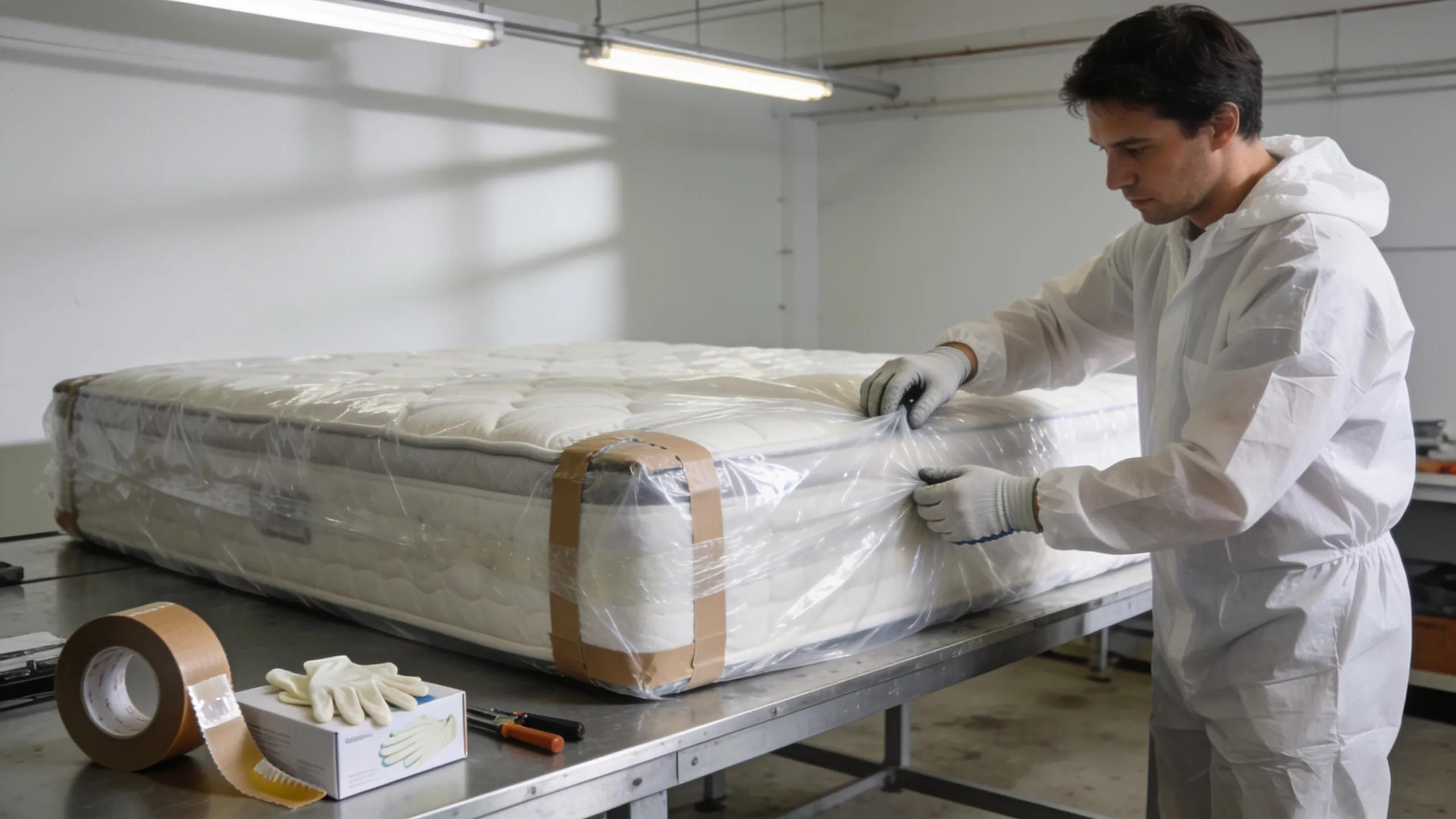
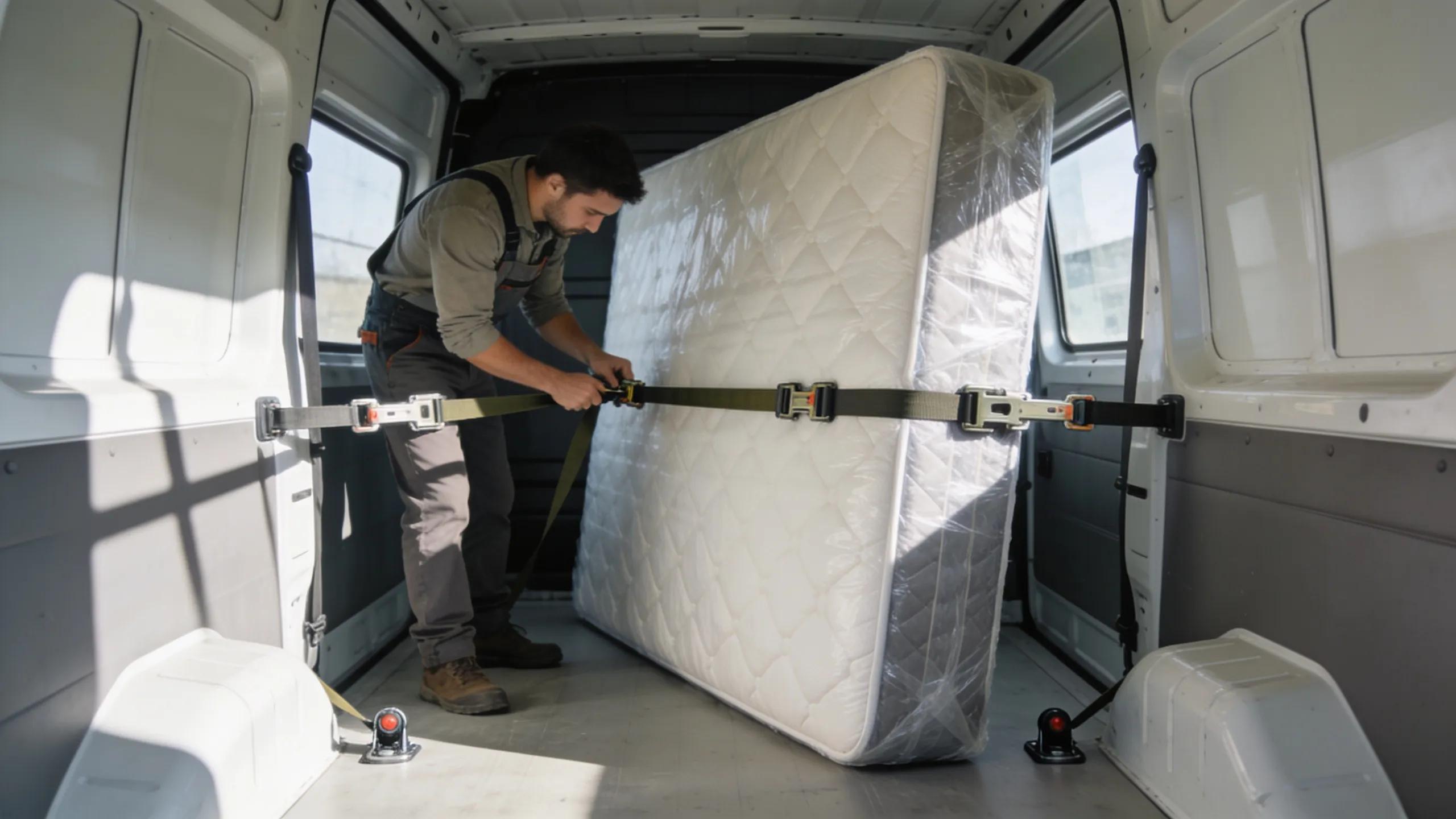
Move the wrapped mattress in an enclosed vehicle — a van or enclosed truck is best — and avoid dragging it through shared or carpeted areas. Secure the mattress so it won’t shift, and get it to disposal as soon as possible to limit exposure time. Careful transport protects others and keeps the infestation contained.
Disposal:
Once the mattress is wrapped and secured, take it to a landfill or a facility that accepts bulky hazardous items. Many municipalities have rules for disposing of infested mattresses — follow local regulations to stay compliant and protect public health. Keep disposal receipts or paperwork for your records. If you’re within Dry Heat Junk’s service area, consider scheduling professional junk removal services to handle pickup and disposal safely.
Effective Strategies for Containing Bed Bugs
Stopping bed bugs from spreading during disposal is about speed and the right help. Key strategies to follow include:
- Act Quickly: Remove and contain infested items promptly to reduce the chance of spread.
- Hire Professionals: Junk removal pros experienced with infested materials can manage containment and disposal safely.
- Use Sealed Containers: Transport items in containers or vehicles that can be secured to prevent escape.
These steps lower the risk of further infestation. For home pickups, see our residential junk removal options.
What Materials and Tools Are Needed to Wrap a Bed Bug Infested Mattress?
Make sure you have the right supplies before you start. You’ll need:
- Heavy‑Duty Plastic Sheeting: Puncture‑resistant sheeting or a mattress disposal bag to fully enclose the mattress.
- Heavy‑Duty Tape: Wide, strong tape to seal all seams and corners.
- Protective Gear: Gloves, masks, and long sleeves to protect you during handling.
Using the correct tools keeps the wrapping effective and reduces the chance of bed bugs escaping during transport.
Which Wrapping Materials Effectively Contain Bed Bugs?
For best results, use 6 mil or thicker industrial plastic or a certified mattress bag. Combine that with durable tape and double‑seal areas that look vulnerable. Investing in good materials makes the containment process more reliable.
What Protective Gear Should You Wear During Mattress Wrapping?
To protect yourself, wear:
- Gloves: Avoid direct contact and reduce the risk of bugs hitching a ride on your hands.
- Masks: Cut down on inhaling dust, allergens, or debris released during handling.
- Long‑Sleeved Clothing: Extra coverage helps prevent bites and skin irritation.
The right gear lets you focus on wrapping safely and efficiently.
What Are the Step-by-Step Instructions to Properly Wrap a Bed Bug Mattress?
Follow these clear steps to wrap a mattress safely:
- Prepare the area: Clear and protect a space where you can work without spreading bed bugs.
- Gather materials: Have plastic sheeting, tape, scissors, and protective gear ready.
- Wrap the mattress: Enclose the mattress from the bottom up, keeping the plastic tight and overlap seams.
- Seal all edges: Tape every seam and corner thoroughly; reinforce any weak spots.
- Label the package: Mark the wrapped mattress clearly to warn handlers.
These steps give you a practical, repeatable method for safe containment.
How Do You Prepare the Mattress Before Wrapping?
Before wrapping, strip the bed of linens and pillows and isolate the mattress. Clean the surrounding area to reduce spread and inspect the mattress for visible bugs or eggs to report to removal services. Having everything ready keeps the wrapping process quick and controlled.
What Is the Correct Method to Seal the Mattress Securely?
To make the seal secure:
- Run tape along every seam and corner so no gaps remain.
- Check for weak spots after taping and reinforce them as needed.
- When in doubt, double‑tape vulnerable areas for added protection.
Careful sealing is the difference between a contained mattress and a new infestation risk.
How Can You Safely Dispose of a Bed Bug Mattress After Wrapping?
After wrapping, arrange for proper pickup or take the mattress to a permitted landfill or disposal facility. Professionals trained in infested waste handling follow protocols that reduce the chance of spread and ensure local regulations are followed. For commercial needs, explore our commercial junk removal services.
Is Dumpster Rental a Safe Option for Infested Mattress Disposal?
Dumpsters are usually not the best choice for infested mattresses because they’re accessible and can allow pests to spread. Even with a dumpster rental, the safer option is to use a removal service experienced with hazardous or infested items. Learn more about our dumpster rental options for non‑infested debris.
When and How Should You Book Junk Removal Services for Mattress Disposal?
Schedule junk removal as soon as the mattress is wrapped to limit exposure. When you call, describe the situation and confirm the company’s experience with infested items. Clear communication ensures a smooth pickup and safe disposal. Learn about our team and values on the About Us page.
What Health and Safety Considerations Should You Know When Handling Bed Bug Mattresses?
Handling infested mattresses can cause skin irritation, allergic reactions, and the risk of spreading pests on clothing. Always use protective gear, avoid direct contact, and wash clothing and hands thoroughly after handling. Taking these precautions protects you and anyone who helps with removal.
What Are the Risks of Bed Bug Exposure During Disposal?
Risks include unintentionally transporting bed bugs on clothing or belongings, which can seed new infestations. Bites can cause allergic reactions or secondary infections for some people. A careful, professional approach to containment and disposal minimizes these hazards.
How Can Proper Wrapping and Disposal Reduce These Risks?
Tight wrapping creates a barrier that prevents bugs from escaping, and prompt disposal reduces the time they can spread. Hiring trained removal services adds another layer of protection by ensuring items are handled and disposed of correctly under local rules.
What Are Eco-Friendly and Legal Guidelines for Disposing of Bed Bug Mattresses?
Disposing of infested mattresses responsibly protects both people and the environment. Check local regulations for rules on hazardous or infested waste and follow those requirements. Contact your local sanitation department for eco‑friendly options and recycling programs where available. If you’re unsure about services in your area, see our Service Area to confirm availability.
Are There Local Regulations for Mattress Disposal with Bed Bugs?
Rules differ by location; many municipalities require special handling for infested materials. Treat the mattress as potentially hazardous waste and follow local guidance to stay compliant and protect the community. When in doubt, reach out to local authorities for specifics.
How Can You Choose Environmentally Responsible Mattress Removal?
Pick a certified removal service that follows sustainable practices and knows how to separate salvageable materials from contaminated waste. Look for companies that document disposal, offer recycling where appropriate, and follow environmental regulations. Responsible removal reduces landfill impact while keeping your home safe.
What Common Questions Do People Ask About Wrapping and Disposing Bed Bug Mattresses?
Can I Throw a Bed Bug Mattress Directly into a Dumpster?No — dumping an infested mattress in a public dumpster is usually not allowed and risks spreading bed bugs. Proper wrapping and following local disposal rules are essential.
How Long Should a Mattress Stay Wrapped Before Disposal?Dispose of the mattress as soon as possible after wrapping. Extended storage increases the chance of spreading the infestation, so coordinate pickup or transport right away.
Frequently Asked Questions
What Should I Do If I Suspect Bed Bugs in My Mattress?
If you suspect bed bugs in your mattress, start by inspecting the mattress and surrounding areas for signs of infestation, such as shed skins, fecal spots, or live bugs. Avoid using the infested mattress and isolate it from other areas of your home to prevent the spread. Once confirmed, prepare for safe wrapping and disposal as outlined previously, ensuring you act promptly to minimize the risk of infestation.
What Is the Best Way to Identify Bed Bugs Before Wrapping?
To identify bed bugs, look for small reddish-brown insects, which are about the size of an apple seed, and their eggs, which are tiny and white. Check for dark spots on bedding that indicate fecal matter. If unsure, consider using a flashlight to inspect crevices and seams. A pest control expert can provide additional insight and confirmation if necessary, ensuring you take the correct steps toward disposal.
Can I Reuse the Wrapping Materials After Disposal?
It’s advisable not to reuse wrapping materials that contained an infested mattress. Bed bugs can survive for months in sealed plastic, and reusing these materials risks reintroducing an infestation. Dispose of all wrapping materials with the mattress to ensure safety. After disposal, clean your vehicle and any tools used to handle the mattress to mitigate the risk of spreading bed bugs.
How Can I Prevent Future Infestations After Disposal?
To prevent future infestations, regularly inspect your home for signs of bed bugs, especially after travel or introducing used furniture. Use mattress encasements designed to keep bed bugs out and make it difficult for existing ones to escape. Maintaining cleanliness and reducing clutter can also deter pests, along with seeking professional treatment if bed bugs are suspected again.
Is There a Special Process for Disposing of Bed Bug Mattresses in Apartments?
In apartment settings, it’s critical to notify property management about infested mattresses as they may have specific disposal protocols in place to prevent spreading. Properly wrap the mattress and follow communal guidelines to dispose of it efficiently, ensuring it’s correctly labeled and protected during transport to maintain safety for all residents.
Who Should I Contact for Help with Mattress Disposal?
For safe bed bug mattress disposal, consider contacting a professional junk removal service experienced in handling infested items. They know the regulations and protocols, ensuring safe and compliant removal. Local pest control services may also provide guidance and assist with treatment options to prevent future infestations before disposal.